
Bariatric Surgery
Obesity is a growing health concern that affects millions of people worldwide. Excess weight not only impacts physical appearance but also increases the risk of serious health conditions such as diabetes, high blood pressure, heart disease, sleep apnea, fatty liver disease, and joint problems. For individuals who have struggled to achieve long-term weight loss through diet, exercise, and medications, bariatric surgery can be a highly effective solution. At BeatX Healthcare, we offer advanced bariatric surgery procedures designed to help patients achieve sustainable weight loss and improve their overall quality of life.
Bariatric surgery, also known as weight loss surgery, involves modifying the digestive system to reduce food intake and support healthy weight reduction. These procedures are performed using modern minimally invasive techniques, allowing for faster recovery, less discomfort, and better outcomes. Our experienced team at BeatX Healthcare provides comprehensive care before, during, and after surgery to ensure long-term success.
What is Bariatric Surgery?
Bariatric surgery is a specialized surgical treatment for obesity that helps individuals lose weight by altering the stomach and digestive tract. The procedure works by restricting the amount of food the stomach can hold, reducing nutrient absorption, or combining both mechanisms. As a result, patients feel full sooner, consume fewer calories, and gradually lose excess weight.
Apart from weight loss, bariatric surgery offers significant metabolic benefits. Many patients experience improvement or complete remission of obesity-related conditions such as type 2 diabetes, hypertension, and sleep apnea. The goal is not only to reduce body weight but also to improve overall health, mobility, and life expectancy.
Who Can Benefit from Bariatric Surgery?
Bariatric surgery is generally recommended for individuals who have severe obesity and have been unable to lose weight through conventional methods. It may be suitable for people with a Body Mass Index (BMI) of 40 or higher, or those with a BMI above 35 who also suffer from obesity-related medical conditions.
Patients who choose bariatric surgery should be committed to making long-term lifestyle changes, including healthy eating habits, regular exercise, and follow-up medical care. A detailed evaluation at BeatX Healthcare helps determine whether bariatric surgery is the right treatment option for each individual.
Types of Bariatric Surgery
Sleeve Gastrectomy
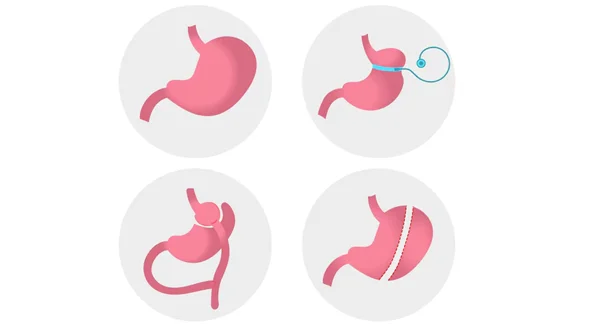
Sleeve Gastrectomy is one of the most popular and effective bariatric procedures. During this surgery, approximately 75–80% of the stomach is removed, leaving behind a smaller, sleeve-shaped stomach. The reduced stomach size limits food intake and helps patients feel full more quickly.
Additionally, the procedure decreases the production of hunger hormones, reducing appetite and making it easier to maintain healthy eating habits. Sleeve Gastrectomy provides significant and long-lasting weight loss while preserving the normal digestive pathway.
Gastric Bypass Surgery
Gastric Bypass Surgery is another widely performed weight loss procedure. During this surgery, a small stomach pouch is created and connected directly to a portion of the small intestine. This reduces the amount of food consumed and decreases calorie absorption.
Gastric bypass is particularly beneficial for individuals with severe obesity and type 2 diabetes. Many patients experience remarkable improvements in blood sugar control shortly after surgery. The procedure offers excellent long-term weight loss results when combined with proper lifestyle changes.
Adjustable Gastric Banding
Adjustable Gastric Banding involves placing a silicone band around the upper portion of the stomach. This creates a smaller stomach pouch, helping patients feel full after eating smaller meals.
The band can be adjusted over time to control food intake. Although this procedure is less common today compared to sleeve gastrectomy and gastric bypass, it remains an option for selected patients seeking a reversible weight loss surgery.
Mini Gastric Bypass
Mini Gastric Bypass is a simplified version of traditional gastric bypass surgery. It involves creating a smaller stomach pouch and connecting it directly to the intestine. The procedure requires less surgical time and offers effective weight loss outcomes with fewer technical complexities.
Many patients choose mini gastric bypass because of its effectiveness in treating obesity and related metabolic disorders.
Benefits of Bariatric Surgery
Bariatric surgery offers numerous health and lifestyle benefits beyond weight loss. One of the biggest advantages is the improvement of obesity-related medical conditions. Patients often experience better control of diabetes, reduced blood pressure, improved cholesterol levels, and relief from sleep apnea.
Weight loss also reduces stress on the joints, improving mobility and reducing chronic pain. Many individuals find it easier to participate in physical activities, leading to a more active lifestyle. Improved self-confidence, mental well-being, and overall quality of life are additional benefits commonly reported after surgery.
For many patients, bariatric surgery becomes a life-changing treatment that helps them regain control over their health and future.
Side Effects and Risks of Bariatric Surgery
Like any surgical procedure, bariatric surgery carries certain risks and potential side effects. However, with modern surgical techniques and proper medical care, complications are relatively uncommon.
Short-term side effects may include nausea, vomiting, fatigue, mild pain, dehydration, and constipation during the initial recovery period. These symptoms are usually temporary and improve as the body adjusts.
Long-term risks may include nutritional deficiencies, vitamin deficiencies, acid reflux, gallstones, or changes in bowel habits. Some patients may experience weight regain if they do not follow recommended dietary and lifestyle guidelines.
At BeatX Healthcare, patients receive detailed nutritional counseling, regular monitoring, and personalized support to minimize complications and maximize long-term success.
Preparing for Bariatric Surgery
Proper preparation is essential for achieving the best outcomes from bariatric surgery. Before the procedure, patients undergo a comprehensive medical evaluation that includes physical examinations, blood tests, nutritional assessments, and lifestyle reviews.
Patients may be advised to follow a special pre-operative diet to reduce liver size and improve surgical safety. Smoking cessation, increased physical activity, and dietary modifications are often recommended before surgery.
Education and counseling play a crucial role in preparing patients for the lifestyle changes required after surgery. Understanding the procedure, recovery process, and long-term commitments helps ensure realistic expectations and successful results.
Recovery After Bariatric Surgery
Recovery after bariatric surgery varies depending on the type of procedure performed and the patient’s overall health. Most surgeries are performed using laparoscopic techniques, resulting in smaller incisions and quicker healing.
Immediately after surgery, patients begin with a liquid diet before gradually progressing to soft foods and regular meals over several weeks. Walking and light physical activity are encouraged soon after surgery to promote circulation and reduce the risk of complications.
Most patients can return to routine daily activities within one to two weeks, although complete recovery may take several weeks. Regular follow-up appointments are important for monitoring weight loss progress, nutritional status, and overall health.
Before and After Results of Bariatric Surgery
The results of bariatric surgery can be truly transformative. Before surgery, many patients struggle with obesity-related health problems, limited mobility, low energy levels, and reduced confidence. Daily activities may become challenging, and chronic health conditions often affect quality of life.
After surgery, patients typically experience substantial weight loss over the first 12 to 24 months. Energy levels improve, physical activities become easier, and obesity-related diseases often improve significantly. Many individuals report better sleep, increased confidence, enhanced social interactions, and improved emotional well-being.
While results vary from person to person, the majority of patients achieve meaningful and sustainable weight loss when they follow dietary guidelines, exercise regularly, and attend follow-up appointments.
Why Choose BeatX Healthcare for Bariatric Surgery?
At BeatX Healthcare, we understand that obesity is a complex medical condition that requires personalized treatment. Our bariatric surgery program focuses on comprehensive care, combining advanced surgical expertise with nutritional guidance and long-term support.
We use modern minimally invasive techniques to ensure patient safety, faster recovery, and optimal outcomes. From initial consultation to post-surgical follow-up, our dedicated healthcare team works closely with patients to help them achieve lasting weight loss and improved health.
Whether you are considering sleeve gastrectomy, gastric bypass, or another weight loss procedure, BeatX Healthcare is committed to helping you take the first step toward a healthier and more fulfilling life.
Frequently Asked Questions (FAQs)
1. What is the success rate of bariatric surgery?
Bariatric surgery has a high success rate, with most patients achieving significant long-term weight loss when combined with healthy lifestyle habits.
2. How much weight can I lose after bariatric surgery?
Most patients lose 50–70% of their excess body weight within the first 12–18 months after surgery.
3. Is bariatric surgery painful?
Some discomfort is normal after surgery, but pain is generally manageable with prescribed medications and improves within a few days.
4. How long does the surgery take?
Most bariatric procedures take between one and three hours, depending on the type of surgery performed.
5. Will I need to follow a special diet after surgery?
Yes. Patients must follow a structured diet plan that gradually progresses from liquids to solid foods and supports healthy weight loss.
6. Can bariatric surgery cure diabetes?
Many patients experience significant improvement or remission of type 2 diabetes following bariatric surgery.
7. How long is the recovery period?
Most patients return to normal daily activities within one to two weeks, although full recovery may take several weeks.
8. Will I need vitamin supplements?
Yes. Many patients require long-term vitamin and mineral supplementation to prevent nutritional deficiencies.
9. Can weight come back after surgery?
Weight regain is possible if healthy eating habits and physical activity are not maintained. Regular follow-up care helps prevent this.
10. Why should I choose BeatX Healthcare for bariatric surgery?
BeatX Healthcare offers advanced surgical techniques, experienced specialists, personalized treatment plans, and comprehensive post-operative support to ensure the best possible outcomes for every patient.