
Gastric Bypass Surgery
Obesity has become one of the most common health concerns worldwide, affecting people of all age groups. Excess body weight not only impacts physical appearance but also increases the risk of serious medical conditions such as type 2 diabetes, hypertension, heart disease, sleep apnea, joint problems, and fatty liver disease. While diet modifications, exercise programs, and medications can help some individuals lose weight, many people struggle to achieve long-term success through conventional methods alone. In such cases, Gastric Bypass Surgery can be an effective and life-changing solution.
At BeatX Healthcare, we provide advanced and minimally invasive gastric bypass surgery to help patients achieve sustainable weight loss and improve their overall health. Our experienced bariatric specialists offer comprehensive care before, during, and after surgery to ensure the best possible outcomes.
What is Gastric Bypass Surgery?
Gastric Bypass Surgery, also known as Roux-en-Y Gastric Bypass, is one of the most commonly performed bariatric or weight loss procedures. The surgery helps patients lose weight by reducing the size of the stomach and changing the way food moves through the digestive system.
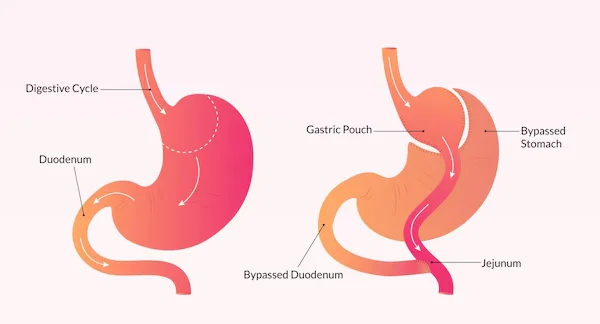
During the procedure, the surgeon creates a small pouch at the top of the stomach and connects it directly to a section of the small intestine. This bypasses a portion of the stomach and intestine, reducing the amount of food a person can eat and limiting calorie absorption.
As a result, patients feel full after eating smaller portions and consume fewer calories. The surgery also influences hormones that regulate hunger, appetite, and blood sugar levels, making it highly effective for both weight loss and metabolic improvement.
Who is a Candidate for Gastric Bypass Surgery?
Gastric bypass surgery may be recommended for individuals who have severe obesity and have been unable to lose weight through traditional methods. It is often suitable for:
- Individuals with a BMI of 40 or higher.
- Individuals with a BMI of 35 or higher along with obesity-related conditions such as diabetes, hypertension, or sleep apnea.
- Patients who have repeatedly failed to achieve long-term weight loss through diet and exercise.
- Individuals committed to making permanent lifestyle and dietary changes.
A detailed consultation and medical evaluation at BeatX Healthcare help determine whether gastric bypass surgery is the right option for each patient.
How Does Gastric Bypass Surgery Work?
Gastric bypass surgery works through two primary mechanisms:
Restriction
The surgeon creates a small stomach pouch that can hold only a limited amount of food. Since the stomach capacity is significantly reduced, patients feel full after consuming much smaller meals.
Malabsorption
A section of the small intestine is bypassed, reducing the body's ability to absorb calories and nutrients from food. This contributes to greater weight loss compared to some other bariatric procedures.
The combination of restriction and malabsorption makes gastric bypass one of the most effective weight loss surgeries available today.
Gastric Bypass Surgery Procedure
Pre-Surgical Assessment
Before surgery, patients undergo a comprehensive evaluation that includes:
- Medical history review
- Physical examination
- Blood investigations
- Nutritional assessment
- Cardiac evaluation if required
- Psychological counseling
- BMI calculation
Patients are also advised about dietary changes, exercise plans, and lifestyle modifications that will be necessary after surgery.
During the Surgery
Gastric bypass surgery is usually performed using laparoscopic or keyhole techniques. Small incisions are made in the abdomen through which specialized instruments and a camera are inserted.
The procedure involves:
- Creating a small stomach pouch from the upper portion of the stomach.
- Separating this pouch from the remaining larger part of the stomach.
- Connecting the newly created pouch directly to the small intestine.
- Bypassing a portion of the stomach and upper intestine.
The surgery typically takes between two and four hours, depending on the patient's condition and surgical complexity.
Hospital Stay
Most patients stay in the hospital for one to three days after surgery. During this period, doctors monitor recovery, hydration, and pain control.
Benefits of Gastric Bypass Surgery
Significant Weight Loss
One of the biggest advantages of gastric bypass surgery is substantial and sustained weight reduction. Most patients lose 60% to 80% of their excess body weight within the first 12 to 18 months.
Improvement in Type 2 Diabetes
Gastric bypass surgery often leads to dramatic improvements in blood sugar control. Many patients experience reduced dependence on medications, and some achieve complete remission of diabetes.
Better Heart Health
Weight loss helps lower blood pressure, reduce cholesterol levels, and decrease the risk of heart disease and stroke.
Relief from Sleep Apnea
Many obese individuals suffer from obstructive sleep apnea. Weight reduction following gastric bypass often improves breathing patterns and sleep quality.
Reduced Joint Pain
Excess body weight places considerable stress on the knees, hips, and spine. Weight loss significantly reduces joint pain and improves mobility.
Improved Fertility
Women experiencing obesity-related fertility issues may notice improvements in reproductive health after significant weight loss.
Enhanced Quality of Life
Patients often report increased confidence, improved mental health, greater physical activity, and a better overall quality of life following surgery.
Side Effects of Gastric Bypass Surgery
Like all surgical procedures, gastric bypass surgery may have certain side effects and risks. Most side effects are manageable with proper medical guidance and follow-up care.
Short-Term Side Effects
Immediately after surgery, patients may experience:
- Nausea
- Vomiting
- Fatigue
- Mild abdominal discomfort
- Temporary weakness
- Constipation
- Dehydration
These symptoms generally improve as recovery progresses.
Long-Term Side Effects
Some patients may experience:
- Vitamin deficiencies
- Iron deficiency
- Calcium deficiency
- Vitamin B12 deficiency
- Hair thinning
- Gallstones
- Acid reflux
- Digestive discomfort
Proper nutritional supplementation and routine monitoring can help prevent these complications.
Dumping Syndrome After Gastric Bypass
Dumping syndrome is a condition that can occur after gastric bypass surgery when food, particularly sugary foods, moves too quickly from the stomach into the intestine.
Symptoms may include:
- Nausea
- Abdominal cramps
- Diarrhea
- Sweating
- Dizziness
- Rapid heartbeat
Most patients can avoid dumping syndrome by following dietary recommendations and limiting sugary foods.
Recovery After Gastric Bypass Surgery
Recovery is a gradual process that requires commitment and lifestyle adjustments.
First Week
Patients typically consume clear liquids and protein-rich fluids while allowing the stomach to heal.
First Month
Soft foods are gradually introduced. Patients begin adapting to smaller meal portions and healthier eating habits.
Long-Term Recovery
Most patients can resume normal daily activities within two to four weeks. Regular exercise, balanced nutrition, and medical follow-ups are essential for maintaining results.
At BeatX Healthcare, our specialists closely monitor recovery and provide ongoing support throughout the weight loss journey.
Diet After Gastric Bypass Surgery
Following surgery, patients must adhere to a structured dietary plan.
Initial Phase
- Clear liquids
- Water
- Broth
- Sugar-free beverages
Soft Food Phase
- Mashed vegetables
- Yogurt
- Scrambled eggs
- Soft proteins
Long-Term Diet
- High-protein meals
- Fresh vegetables
- Fruits
- Whole grains
- Adequate hydration
Patients should avoid:
- Sugary foods
- Carbonated drinks
- Excessive fats
- Large meal portions
These dietary changes are crucial for achieving long-term success.
Before and After Results of Gastric Bypass Surgery
Before Surgery
Many patients experience:
- Severe obesity
- Chronic fatigue
- Diabetes
- High blood pressure
- Sleep apnea
- Reduced mobility
- Low self-confidence
After Surgery
Patients commonly report:
- Significant weight loss
- Better energy levels
- Improved diabetes control
- Better sleep quality
- Increased physical activity
- Enhanced self-esteem
- Improved overall health
Most weight loss occurs during the first year after surgery, although positive health improvements can continue for several years.
Risks and Complications
Although gastric bypass surgery is considered safe, potential complications may include:
- Infection
- Blood clots
- Internal bleeding
- Leakage from surgical connections
- Nutritional deficiencies
- Intestinal blockage
Choosing an experienced bariatric team such as BeatX Healthcare significantly reduces these risks and improves surgical outcomes.
Why Choose BeatX Healthcare for Gastric Bypass Surgery?
BeatX Healthcare is committed to providing advanced bariatric care with a patient-centered approach. Our team of experienced surgeons, nutritionists, and healthcare professionals works together to create personalized treatment plans for every patient.
We focus on:
- Advanced laparoscopic techniques
- Comprehensive pre-surgical evaluation
- Personalized nutritional guidance
- Long-term follow-up care
- Safe and effective weight loss solutions
Our goal is to help patients achieve healthier lives through sustainable weight management and improved overall well-being.
Frequently Asked Questions (FAQs)
1. How much weight can I lose after gastric bypass surgery?
Most patients lose approximately 60–80% of their excess body weight within 12–18 months.
2. Is gastric bypass surgery permanent?
Yes. Gastric bypass is generally considered a permanent weight loss procedure.
3. How long does gastric bypass surgery take?
The procedure typically takes between two and four hours.
4. Is gastric bypass surgery safe?
When performed by experienced bariatric surgeons, gastric bypass surgery is considered a safe and effective treatment for obesity.
5. Will I need vitamin supplements after surgery?
Yes. Lifelong vitamin and mineral supplementation is usually recommended to prevent nutritional deficiencies.
6. How soon can I return to work?
Many patients return to work within two to four weeks, depending on the nature of their job and recovery progress.
7. Can gastric bypass cure diabetes?
Many patients experience significant improvement or remission of type 2 diabetes after surgery.
8. Will I have loose skin after weight loss?
Some patients may develop loose skin after substantial weight loss. The extent varies depending on age, genetics, and the amount of weight lost.
9. Can weight regain occur after gastric bypass surgery?
Weight regain is possible if healthy eating habits and physical activity are not maintained. Regular follow-up care helps minimize this risk.
10. Why should I choose BeatX Healthcare for gastric bypass surgery?
BeatX Healthcare offers expert bariatric specialists, advanced surgical technology, personalized treatment plans, and comprehensive post-operative support to ensure safe treatment and long-term success.