

Laser Surgery for Fistula
Laser Surgery for Fistula Starting from 32,000/-Rs.
Fistula is a painful and recurring anorectal condition that can significantly affect a person's daily life. Constant discharge, swelling, pain while sitting, irritation around the anal region, and repeated infections can make even simple activities uncomfortable. At BeatX Healthcare, we provide advanced Laser Surgery for Fistula that offers a safe, minimally invasive, and effective solution for long-term relief.
Laser treatment has transformed the way fistula is managed. Unlike conventional surgery, which often involves large incisions and prolonged recovery, laser fistula surgery uses focused laser energy to close the infected tract from within while preserving surrounding healthy tissues. This results in less pain, minimal bleeding, quicker healing, and a faster return to normal life.
What is an Anal Fistula?
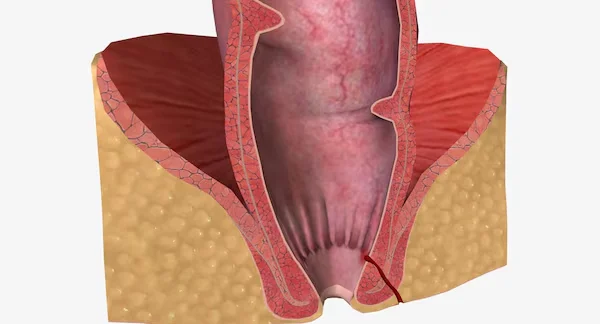
An anal fistula is an abnormal tunnel that develops between the anal canal and the skin surrounding the anus. It commonly occurs after an anal abscess fails to heal completely. The infection creates a tract that continuously drains pus or fluid through an external opening near the anus.
Many patients initially ignore the symptoms, assuming it to be a minor infection. However, untreated fistulas rarely heal on their own and may lead to repeated abscess formation, chronic infection, and severe discomfort.
Causes of Fistula
Several factors can contribute to fistula formation, including:
- Anal abscess or infection
- Blocked anal glands
- Chronic inflammation
- Crohn's disease
- Tuberculosis
- Previous anorectal surgery
- Trauma around the anal region
- Recurrent infections
In most cases, an untreated anal abscess is the primary cause of fistula development. When the infection drains improperly, it leaves behind a tunnel connecting the infected area to the skin surface.
Symptoms of Anal Fistula
The symptoms can vary depending on the severity and complexity of the fistula tract. Common signs include:
- Persistent pain around the anus
- Swelling and redness
- Recurrent abscess formation
- Pus or foul-smelling discharge
- Bleeding from the opening
- Pain while sitting or walking
- Skin irritation and itching
- Fever in cases of infection
If these symptoms continue for weeks or keep recurring, immediate medical evaluation is necessary to prevent complications.
Understanding Laser Surgery for Fistula
Laser fistula surgery is an advanced procedure that uses specialized laser energy to destroy and seal the fistula tract from inside. The surgeon inserts a thin laser fiber into the fistula channel and gradually delivers controlled energy throughout the tract. The laser causes the infected tissue to shrink and close while preserving the anal sphincter muscles.
The technique is often known as FiLaC (Fistula Laser Closure) and is considered one of the most modern treatment options available today. Since the surrounding muscles are preserved, the risk of bowel control problems is significantly lower compared to traditional surgeries.
Who is a Suitable Candidate for Laser Fistula Surgery?
Laser treatment may be recommended for patients who have:
- Simple anal fistulas
- Recurrent fistulas
- Complex fistula tracts
- Persistent discharge and pain
- Failed previous treatments
- Desire for faster recovery and minimal scarring
The suitability of laser treatment depends on the fistula's location, depth, branching pattern, and involvement of anal muscles. A detailed examination and imaging studies help determine the most appropriate treatment approach.
Procedure of Laser Fistula Surgery
At BeatX Healthcare, the procedure is performed by experienced specialists using advanced laser technology.
Step 1: Diagnosis and Evaluation
The doctor performs a clinical examination and may recommend imaging tests to understand the exact path of the fistula.
Step 2: Anesthesia
The procedure is usually performed under general or spinal anesthesia, ensuring complete patient comfort throughout the treatment.
Step 3: Cleaning the Tract
The fistula tract is carefully cleaned to remove infected tissue, pus, and debris.
Step 4: Laser Application
A specialized laser fiber is inserted into the tract. Controlled laser energy is delivered along the entire length of the tunnel, causing it to collapse and seal from within.
Step 5: Closure and Recovery
Once the tract is sealed, the procedure is completed without major cuts or stitches. Most patients are discharged on the same day.
Benefits of Laser Surgery for Fistula
Minimally Invasive Treatment
Laser surgery requires no large incisions, reducing trauma to surrounding tissues.
Less Pain
Patients generally experience significantly less postoperative pain compared to traditional surgery.
Minimal Bleeding
Laser energy simultaneously seals blood vessels, resulting in reduced bleeding during and after the procedure.
Faster Recovery
Most patients can resume routine activities within a few days.
Preservation of Anal Muscles
One of the major advantages is the protection of sphincter muscles, helping maintain normal bowel control.
Reduced Hospital Stay
Laser fistula surgery is commonly performed as a daycare procedure, allowing patients to return home on the same day.
Better Cosmetic Results
Since there are no major cuts, scarring is minimal.
Laser Surgery vs Traditional Fistula Surgery
Traditional fistula surgery often involves cutting open the tract or removing infected tissue. While effective in many cases, it may involve larger wounds, prolonged healing, and greater postoperative discomfort. Laser treatment focuses on closing the tract internally while minimizing damage to surrounding tissues.
The choice between laser and conventional surgery depends on the complexity of the fistula, patient condition, and surgeon assessment.
Recovery After Laser Fistula Surgery
Recovery is generally quicker compared to conventional procedures.
Patients can expect:
- Mild discomfort for a few days
- Minimal bleeding or discharge
- Return to work within a few days
- Gradual healing over several weeks
- Follow-up visits to monitor progress
Many patients resume routine activities within 2–3 days depending on the complexity of the fistula and individual healing response.
Post-Surgery Care Instructions
For smooth recovery, patients are advised to:
- Drink plenty of water
- Consume a high-fiber diet
- Avoid constipation
- Maintain proper anal hygiene
- Take prescribed medications regularly
- Avoid heavy lifting for a few weeks
- Attend follow-up appointments
Warm sitz baths may also help reduce discomfort and promote healing.
Possible Risks and Complications
Although laser surgery is considered safe, every surgical procedure carries some risks. Potential complications may include:
- Mild pain
- Temporary discharge
- Infection
- Delayed healing
- Recurrence of fistula
The overall complication rate is generally lower because laser treatment causes less tissue damage and preserves the sphincter muscles.
Can Fistula Recur After Laser Surgery?
Yes, recurrence is possible, especially in complex fistulas, multiple tracts, or cases where postoperative instructions are not followed properly. However, recurrence rates can be reduced with proper diagnosis, expert surgical care, and regular follow-up.
Why Choose BeatX Healthcare for Laser Fistula Treatment?
At BeatX Healthcare, we focus on delivering advanced anorectal care through modern technology and patient-centered treatment.
Our approach includes:
- Experienced surgeons
- Advanced laser equipment
- Accurate diagnosis
- Personalized treatment plans
- Daycare procedures
- Faster recovery protocols
- Comprehensive post-operative support
We understand the discomfort and embarrassment often associated with fistula conditions and provide compassionate, confidential, and effective treatment for long-lasting relief.
Frequently Asked Questions (FAQs)
1. Is laser surgery for fistula painful?
Laser fistula surgery is significantly less painful than traditional open surgery. Most patients experience only mild discomfort during recovery.
2. How long does laser fistula surgery take?
The procedure generally takes around 15–60 minutes depending on the complexity of the fistula.
3. Can I go home the same day after surgery?
Yes. In most cases, laser fistula surgery is a daycare procedure, allowing patients to return home on the same day.
4. How many days are required for recovery?
Most patients can resume normal daily activities within a few days, while complete healing may take several weeks.
5. Is laser treatment safe?
Yes. Laser treatment is considered a safe and minimally invasive procedure when performed by experienced specialists.
6. Does laser surgery leave scars?
Since there are no large incisions, scarring is usually minimal compared to traditional surgery.
7. Can fistula heal without surgery?
Most anal fistulas do not heal on their own and usually require surgical intervention to prevent recurrent infections and abscesses.
8. What foods should I eat after surgery?
A high-fiber diet including fruits, vegetables, whole grains, and adequate fluids helps prevent constipation and promotes healing.
9. Is laser surgery better than open surgery?
Laser surgery offers advantages such as less pain, minimal bleeding, faster recovery, and preservation of anal muscles. However, the best treatment depends on the type and complexity of the fistula.
10. When should I consult a doctor for fistula symptoms?
If you experience recurrent anal pain, discharge, swelling, bleeding, or repeated abscesses, seek medical evaluation as early treatment can prevent complications.
11. Can laser surgery treat recurrent fistulas?
Yes. Laser treatment can be used for many recurrent fistula cases, although treatment selection depends on individual assessment.
12. Why choose BeatX Healthcare for fistula treatment?
BeatX Healthcare offers advanced laser technology, skilled specialists, comprehensive care, and personalized treatment plans designed to achieve optimal outcomes with faster recovery.