

Incision and Drainage
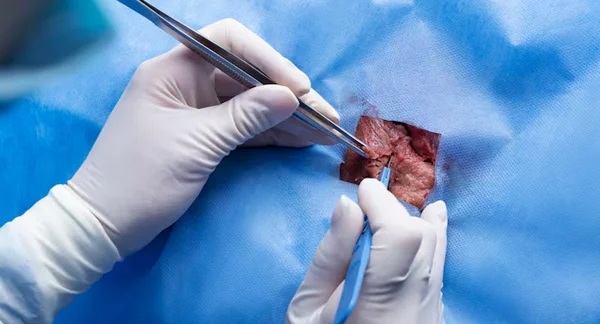
Abcess Treatment starts from 4,000/-Rs.
An abscess is a painful collection of pus that develops due to bacterial infection in different parts of the body. It can occur under the skin, around the anus, in the breast, armpit, groin, or other soft tissues. Abscesses often cause severe pain, swelling, redness, warmth, and discomfort, making daily activities difficult. If left untreated, the infection may spread to nearby tissues or even enter the bloodstream, leading to serious health complications.
At BeatX Healthcare, we provide advanced and safe I & D Procedure (Incision and Drainage) for abscess treatment. This minor surgical procedure is considered the gold standard for draining pus collections and relieving infection. The treatment is performed by experienced surgeons using modern techniques to ensure quick pain relief, proper healing, and reduced risk of recurrence.
What is an Abscess?
An abscess is a localized collection of pus that forms when the body's immune system fights a bacterial infection. White blood cells accumulate at the site of infection, leading to the formation of pus containing bacteria, dead tissue, and inflammatory cells.
As the pus builds up, the affected area becomes swollen, painful, and tender. Since antibiotics alone often cannot penetrate large pus collections effectively, drainage becomes necessary to eliminate the infection completely.
Abscesses can occur in various parts of the body, including:
- Skin abscesses
- Perianal abscesses
- Pilonidal abscesses
- Breast abscesses
- Dental abscesses
- Groin abscesses
- Axillary (armpit) abscesses
- Post-surgical abscesses
What is the I & D Procedure?
I & D (Incision and Drainage) is a minor surgical procedure performed to remove pus from an abscess. The surgeon makes a small incision over the infected area to allow the trapped pus to drain out. Once the pus is removed, the cavity is cleaned thoroughly to promote healing and prevent the infection from spreading.
The procedure provides immediate relief from pressure and pain while helping the body recover more efficiently.
I & D is one of the most commonly performed surgical procedures for treating abscesses and infected fluid collections.
Why is Abscess Drainage Necessary?
Many patients assume that antibiotics alone can cure an abscess. However, once pus has accumulated, antibiotics often cannot effectively penetrate the infected cavity.
Drainage becomes necessary because:
- It removes the source of infection.
- It reduces swelling and pressure.
- It relieves severe pain.
- It speeds up recovery.
- It prevents the spread of infection.
- It reduces the risk of complications.
- It lowers the chances of recurrence.
Prompt treatment can prevent serious health problems and improve recovery outcomes.
Causes of Abscess Formation
Several factors can contribute to abscess development, including:
Bacterial Infections
Most abscesses are caused by bacterial infections, particularly Staphylococcus aureus.
Blocked Glands
Blocked sweat glands, sebaceous glands, or hair follicles may lead to infection and abscess formation.
Poor Hygiene
Poor personal hygiene can increase the risk of bacterial infections.
Diabetes
Individuals with diabetes have a higher risk of recurrent skin infections and abscesses.
Weakened Immune System
People with compromised immunity may be more susceptible to infections.
Ingrown Hair
Ingrown hairs can trigger localized infections resulting in abscess formation.
Trauma or Injury
Cuts, puncture wounds, or surgical wounds may become infected and form abscesses.
Symptoms of an Abscess
The symptoms vary depending on the location and severity of the infection.
Common signs include:
- Painful swelling
- Redness of the skin
- Warmth over the affected area
- Pus discharge
- Tenderness
- Fever
- Chills
- Fatigue
- Difficulty sitting or walking (in perianal abscesses)
- Foul-smelling discharge
If these symptoms are present, immediate medical evaluation is recommended.
Types of Abscesses Treated with I & D
Skin Abscess
A collection of pus beneath the skin causing redness and pain.
Perianal Abscess
An infection near the anus resulting in severe pain and swelling.
Pilonidal Abscess
Occurs near the tailbone due to infected hair follicles.
Breast Abscess
A common complication of breast infections, particularly during breastfeeding.
Dental Abscess
An infection involving the teeth or gums requiring drainage.
Post-Surgical Abscess
Can occur after surgery due to wound infection.
Diagnosis Before the Procedure
At BeatX Healthcare, the diagnosis begins with a thorough medical examination.
The doctor may evaluate:
- Size of the abscess
- Location of infection
- Severity of symptoms
- Presence of fever
- Underlying medical conditions
In certain cases, additional investigations may include:
- Ultrasound
- Blood tests
- CT scan
- MRI (for deeper abscesses)
These tests help determine the best treatment approach.
How is the I & D Procedure Performed?
Step 1: Medical Evaluation
The surgeon assesses the abscess and confirms the need for drainage.
Step 2: Anesthesia
Local anesthesia is usually administered to numb the area. For larger or deeper abscesses, regional or general anesthesia may be required.
Step 3: Incision
A small incision is made over the abscess to access the pus collection.
Step 4: Drainage
The trapped pus is completely drained from the infected cavity.
Step 5: Cleaning the Cavity
The cavity is thoroughly irrigated and cleaned to remove infected material.
Step 6: Packing (If Needed)
In larger abscesses, sterile dressing material may be placed temporarily inside the cavity to prevent premature closure.
Step 7: Dressing
The wound is covered with sterile dressing to promote healing.
The procedure usually takes between 15 and 45 minutes depending on the size and location of the abscess.
Benefits of I & D Procedure
Immediate Pain Relief
Drainage removes pressure caused by the accumulated pus.
Faster Recovery
Eliminating the infection allows the healing process to begin immediately.
Prevents Spread of Infection
Early drainage reduces the risk of infection spreading to surrounding tissues.
Minimally Invasive
The procedure involves a small incision and is generally performed on an outpatient basis.
Reduced Risk of Complications
Prompt treatment helps prevent serious infections and tissue damage.
Effective Treatment
I & D remains the most reliable treatment for most abscesses.
Recovery After Abscess Drainage
Recovery is generally quick following the procedure.
Most patients experience:
- Immediate reduction in pain
- Decreased swelling
- Improved comfort within 24–48 hours
- Gradual wound healing over 1–4 weeks
The exact recovery period depends on:
- Size of the abscess
- Location
- Overall health condition
- Presence of diabetes or immune disorders
Post-Procedure Care
Proper wound care is essential for successful healing.
Patients are advised to:
- Keep the area clean and dry
- Change dressings as instructed
- Take prescribed medications
- Complete the antibiotic course if prescribed
- Avoid touching the wound unnecessarily
- Maintain good personal hygiene
- Attend follow-up appointments
Following these instructions helps prevent recurrence and promotes faster healing.
Risks and Complications
Although the procedure is generally safe, potential complications may include:
- Mild bleeding
- Temporary pain
- Infection recurrence
- Delayed wound healing
- Scar formation
- Rarely, spread of infection
These risks are minimized when the procedure is performed by experienced surgeons and proper aftercare is followed.
Can an Abscess Return After Drainage?
While I & D effectively treats the current abscess, recurrence can occur if the underlying cause is not addressed.
Common reasons for recurrence include:
- Diabetes
- Poor hygiene
- Persistent infection
- Pilonidal disease
- Fistula formation
- Weakened immunity
Regular follow-up and appropriate treatment of underlying conditions help reduce recurrence rates.
Why Choose BeatX Healthcare for Abscess Drainage?
At BeatX Healthcare, we provide comprehensive treatment for abscesses using modern surgical techniques and patient-focused care.
Our Advantages
- Experienced surgeons
- Advanced diagnostic facilities
- Safe and sterile environment
- Same-day treatment options
- Personalized care plans
- Comprehensive post-treatment support
- Affordable treatment solutions
Our goal is to provide fast pain relief, complete infection control, and optimal recovery for every patient.
Frequently Asked Questions (FAQs)
1. What is the I & D procedure?
I & D stands for Incision and Drainage, a minor surgical procedure used to remove pus from an abscess and treat infection.
2. Is abscess drainage painful?
The procedure is performed under anesthesia, so patients experience minimal discomfort during treatment.
3. How long does the procedure take?
Most abscess drainage procedures take approximately 15–45 minutes.
4. Can I go home the same day?
Yes, most patients are discharged on the same day after the procedure.
5. Do I need antibiotics after drainage?
Depending on the severity of infection, your doctor may prescribe antibiotics following the procedure.
6. How long does healing take?
Healing typically takes one to four weeks depending on the size and location of the abscess.
7. Can an abscess heal without drainage?
Small abscesses may occasionally drain on their own, but most significant pus collections require professional drainage for complete healing.
8. Will there be a scar after the procedure?
A small scar may remain, but it is usually minimal and becomes less noticeable over time.
9. Can the abscess come back?
Recurrence is possible if underlying causes such as diabetes, fistula, or chronic infections are not treated.
10. When should I seek medical help for an abscess?
You should consult a doctor if you experience painful swelling, redness, fever, pus discharge, or worsening symptoms.
11. Is the procedure safe for diabetic patients?
Yes. In fact, prompt drainage is particularly important for diabetic patients because infections can progress more rapidly.
12. Why choose BeatX Healthcare for abscess treatment?
BeatX Healthcare offers expert surgical care, advanced facilities, personalized treatment plans, and comprehensive post-procedure support to ensure effective healing and long-term relief.