Open Cholecystectomy
Open Cholecystectomy Surgery Starting from 40,000/-Rs.
The gallbladder is a small pear-shaped organ located beneath the liver that stores and concentrates bile, a digestive fluid produced by the liver. While the gallbladder plays a role in digestion, it is not essential for survival. When gallstones, inflammation, infection, or other gallbladder diseases cause persistent symptoms and complications, surgical removal of the gallbladder may become necessary.
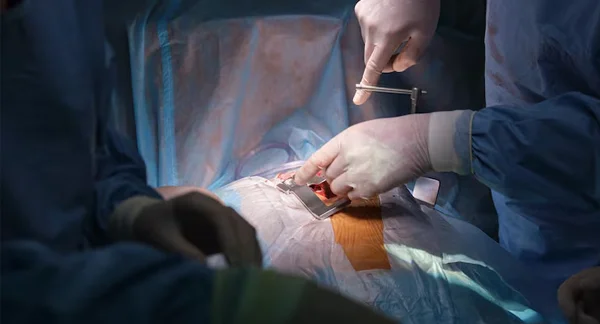
Open Cholecystectomy is a traditional surgical procedure used to remove the gallbladder through a larger abdominal incision. Although laparoscopic gallbladder surgery is commonly performed today, open cholecystectomy remains an important and highly effective procedure in complex cases where minimally invasive surgery may not be suitable.
At BeatX Healthcare, our experienced surgeons provide safe and comprehensive gallbladder surgery using advanced surgical techniques and personalized patient care. We focus on accurate diagnosis, effective treatment, and smooth recovery to help patients return to a healthy and pain-free life.
What is Open Cholecystectomy?
Open cholecystectomy is a surgical procedure in which the gallbladder is removed through an incision made in the upper right side of the abdomen. This approach allows the surgeon direct access to the gallbladder and surrounding structures.
The procedure is commonly performed when:
- Gallstones cause severe symptoms
- Acute gallbladder inflammation is present
- Gallbladder infection has developed
- Gallbladder rupture is suspected
- There is extensive scar tissue from previous surgeries
- Complicated gallbladder disease exists
- Laparoscopic surgery is not feasible or safe
Open cholecystectomy has been successfully performed for decades and continues to be a reliable treatment option for complex gallbladder conditions.
Understanding the Gallbladder
The gallbladder stores bile produced by the liver. During digestion, especially after consuming fatty foods, the gallbladder releases bile into the small intestine to help break down fats.
When gallstones or other diseases affect the gallbladder, bile flow may become obstructed, causing pain and complications.
Fortunately, people can live normally without a gallbladder because bile continues to flow directly from the liver into the digestive tract.
Conditions Treated with Open Cholecystectomy
Gallstones (Cholelithiasis)
Gallstones are hardened deposits that form inside the gallbladder and may block bile ducts, causing pain and inflammation.
Acute Cholecystitis
Severe inflammation of the gallbladder often caused by gallstones.
Chronic Cholecystitis
Long-term inflammation leading to recurrent abdominal pain and digestive symptoms.
Gallbladder Empyema
A serious infection causing pus accumulation inside the gallbladder.
Gangrenous Gallbladder
A severe condition where gallbladder tissue begins to die due to inadequate blood supply.
Gallbladder Polyps
Large or suspicious polyps may require gallbladder removal.
Gallbladder Cancer
In selected cases, open surgery may be necessary as part of treatment.
Symptoms Indicating Gallbladder Disease
Patients with gallbladder problems may experience:
- Pain in the upper right abdomen
- Pain after eating fatty meals
- Nausea and vomiting
- Indigestion
- Bloating
- Fever and chills
- Jaundice (yellowing of skin and eyes)
- Pain radiating to the back or shoulder
- Loss of appetite
Persistent or severe symptoms should be evaluated by a specialist promptly.
Why is Open Cholecystectomy Performed?
While laparoscopic surgery is often preferred, open cholecystectomy may be necessary in certain situations.
Severe Inflammation
Extensive inflammation can make laparoscopic surgery difficult.
Scar Tissue from Previous Surgeries
Adhesions may limit the safety of minimally invasive procedures.
Complicated Gallbladder Disease
Large gallstones, infections, or ruptures may require direct surgical access.
Unexpected Findings During Surgery
Some laparoscopic procedures are converted to open surgery for patient safety.
Suspected Cancer
Open surgery allows better visualization and management of cancerous conditions.
Diagnostic Evaluation Before Surgery
At BeatX Healthcare, comprehensive evaluation helps ensure accurate diagnosis and treatment planning.
Investigations may include:
Physical Examination
Assessment of symptoms and abdominal tenderness.
Blood Tests
To evaluate infection, liver function, and overall health.
Ultrasound
The most common imaging test for detecting gallstones and inflammation.
CT Scan
Provides detailed visualization of abdominal structures.
MRI/MRCP
Used to examine bile ducts and identify blockages.
ECG and Pre-Anesthesia Assessment
Performed to evaluate fitness for surgery.
Open Cholecystectomy Procedure
Step 1: Preoperative Preparation
The patient undergoes routine investigations and receives instructions regarding fasting before surgery.
Step 2: Administration of Anesthesia
General anesthesia is administered so the patient remains asleep and pain-free throughout the procedure.
Step 3: Surgical Incision
The surgeon makes an incision in the upper right side of the abdomen below the rib cage.
This provides direct access to the gallbladder.
Step 4: Gallbladder Removal
The gallbladder is carefully separated from surrounding tissues and removed.
The surgeon also examines nearby structures to ensure no complications are present.
Step 5: Control of Bleeding
Blood vessels and bile ducts are secured appropriately.
Step 6: Closure of the Incision
The incision is closed with sutures or staples and covered with sterile dressings.
The procedure typically takes one to two hours, depending on the complexity of the case.
Benefits of Open Cholecystectomy
Open cholecystectomy remains an important surgical option because of several advantages.
Effective Treatment
Provides permanent relief from gallbladder-related symptoms.
Suitable for Complex Cases
Allows surgeons to manage difficult or advanced gallbladder disease safely.
Better Surgical Access
Direct visualization improves precision in complicated situations.
Reduced Risk in Certain Patients
May be safer when severe inflammation or scar tissue is present.
Long-Term Relief
Eliminates the source of recurring gallbladder attacks and infections.
Recovery After Open Cholecystectomy
Recovery after open surgery generally takes longer than laparoscopic surgery, but most patients recover successfully with proper care.
Hospital Stay
Patients typically remain in the hospital for 2–5 days after surgery.
Pain Management
Mild to moderate discomfort is expected and managed with prescribed medications.
Mobility
Walking is encouraged soon after surgery to reduce complications and promote healing.
Return to Daily Activities
Most patients gradually resume routine activities within a few weeks.
Complete Recovery
Full recovery usually occurs within 4–8 weeks depending on overall health and surgical complexity.
Diet After Gallbladder Removal
Following surgery, dietary modifications help support digestion and recovery.
Recommended Foods
- Fruits
- Vegetables
- Whole grains
- Lean proteins
- Low-fat dairy products
- Adequate fluids
Foods to Limit Initially
- Fried foods
- Oily foods
- Spicy foods
- Heavy meals
- Processed foods
Most patients can gradually return to a normal balanced diet after recovery.
Life Without a Gallbladder
Many patients worry about digestion after gallbladder removal.
The good news is that the liver continues producing bile normally. Instead of being stored in the gallbladder, bile flows directly into the intestine.
Most individuals lead completely normal lives after surgery with minimal dietary restrictions.
Risks and Complications
Although open cholecystectomy is considered safe, all surgeries carry some risks.
Potential complications include:
- Bleeding
- Infection
- Bile leakage
- Injury to nearby structures
- Blood clots
- Wound complications
- Anesthesia-related risks
At BeatX Healthcare, careful surgical planning and postoperative monitoring help minimize these risks.
When to Contact Your Doctor After Surgery
Patients should seek medical attention if they experience:
- High fever
- Severe abdominal pain
- Persistent vomiting
- Excessive wound drainage
- Increasing redness around the incision
- Difficulty breathing
- Jaundice
Early intervention helps prevent complications.
Why Choose BeatX Healthcare for Open Cholecystectomy?
At BeatX Healthcare, we provide comprehensive gallbladder treatment using evidence-based surgical care and advanced medical facilities.
Our Advantages
- Experienced general surgeons
- Advanced diagnostic facilities
- Modern operation theatres
- Personalized treatment plans
- Comprehensive preoperative assessment
- Dedicated postoperative care
- Patient-focused recovery support
- Affordable and transparent treatment
We are committed to helping patients achieve safe surgery, smooth recovery, and long-term relief from gallbladder disease.
Frequently Asked Questions (FAQs)
1. What is an open cholecystectomy?
Open cholecystectomy is a surgical procedure that removes the gallbladder through an abdominal incision.
2. Why might I need open surgery instead of laparoscopic surgery?
Open surgery may be recommended for severe inflammation, infection, extensive scar tissue, large gallstones, or complex gallbladder disease.
3. Is open cholecystectomy safe?
Yes. It is a well-established and safe procedure when performed by experienced surgeons.
4. How long does the surgery take?
The procedure generally takes between one and two hours.
5. How many days will I stay in the hospital?
Most patients remain hospitalized for approximately 2–5 days after surgery.
6. Will I have pain after surgery?
Some discomfort is normal, but pain is effectively managed with medications.
7. How long does recovery take?
Most patients recover within 4–8 weeks depending on their overall health and surgical complexity.
8. Can I live normally without a gallbladder?
Yes. The liver continues producing bile, and most people lead completely normal lives after gallbladder removal.
9. What foods should I avoid after surgery?
Initially, fatty, fried, oily, and heavily processed foods should be limited.
10. Are gallstones dangerous if left untreated?
Untreated gallstones can cause infection, inflammation, bile duct obstruction, pancreatitis, and other serious complications.
11. When can I return to work?
Many patients return to light work within 3–6 weeks, depending on recovery and job requirements.
12. Why choose BeatX Healthcare for gallbladder surgery?
BeatX Healthcare offers experienced surgeons, advanced facilities, comprehensive care, personalized treatment plans, and dedicated recovery support to ensure the best possible outcomes for patients undergoing gallbladder surgery.