

Laparoscopic Cholecystectomy
Laparoscopic Cholecystectomy Surgery Starting from 40,000/-Rs.
Gallbladder disease is one of the most common digestive disorders affecting millions of people worldwide. Conditions such as gallstones, gallbladder inflammation, infections, and bile duct blockages can cause severe abdominal pain, digestive discomfort, and complications that may significantly impact daily life. When these conditions become symptomatic or recurrent, surgical removal of the gallbladder is often the most effective treatment.
Laparoscopic Cholecystectomy is considered the gold standard treatment for gallbladder removal. It is a minimally invasive surgical procedure performed through small incisions using a laparoscope (a thin camera-equipped instrument) and specialized surgical tools. Compared to traditional open surgery, laparoscopic cholecystectomy offers less pain, faster recovery, smaller scars, and a shorter hospital stay.
At BeatX Healthcare, we provide advanced laparoscopic gallbladder surgery performed by experienced surgeons using modern technology and evidence-based treatment protocols. Our goal is to ensure safe surgery, rapid recovery, and long-term relief from gallbladder-related problems.
What is Laparoscopic Cholecystectomy?
Laparoscopic cholecystectomy is a minimally invasive procedure used to remove the gallbladder through small incisions in the abdomen.
The procedure utilizes:
- A laparoscope (small camera)
- Specialized surgical instruments
- High-definition video imaging
- Small keyhole incisions
The surgeon performs the operation while viewing magnified images of the internal organs on a monitor.
Because the procedure causes minimal trauma to surrounding tissues, patients generally experience faster recovery compared to traditional open surgery.
Understanding the Gallbladder
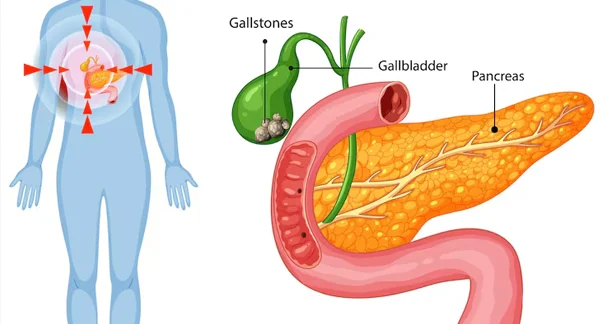
The gallbladder is a small organ located beneath the liver in the upper right side of the abdomen. Its primary function is to store and concentrate bile, a digestive fluid produced by the liver.
Bile helps:
- Digest fats
- Absorb fat-soluble vitamins
- Break down cholesterol
When the gallbladder develops stones, inflammation, or infection, it may stop functioning properly and require surgical removal.
Fortunately, the body can function normally without a gallbladder because bile continues to flow directly from the liver into the small intestine.
Conditions Treated with Laparoscopic Cholecystectomy
Gallstones (Cholelithiasis)
Gallstones are hardened deposits of cholesterol or pigments that form inside the gallbladder.
They may cause:
- Abdominal pain
- Nausea
- Vomiting
- Digestive problems
Acute Cholecystitis
Sudden inflammation of the gallbladder caused by blockage of bile flow.
Chronic Cholecystitis
Repeated inflammation resulting in long-term gallbladder dysfunction.
Gallbladder Polyps
Certain polyps may require surgical removal to prevent complications.
Biliary Colic
Severe episodes of pain caused by temporary blockage of the gallbladder outlet.
Gallstone Pancreatitis
Gallstones can obstruct the pancreatic duct and cause pancreatitis.
Choledocholithiasis
Gallstones lodged within the bile ducts may require gallbladder removal after treatment.
Symptoms Indicating Gallbladder Disease
Patients with gallbladder disorders often experience:
- Upper right abdominal pain
- Pain after fatty meals
- Nausea and vomiting
- Bloating
- Indigestion
- Loss of appetite
- Fever and chills
- Jaundice
- Pain radiating to the back or right shoulder
Persistent symptoms should never be ignored because complications can develop over time.
Why is Laparoscopic Cholecystectomy Recommended?
Doctors recommend laparoscopic gallbladder removal when:
- Gallstones cause symptoms
- Recurrent gallbladder attacks occur
- Infections develop
- Inflammation becomes chronic
- Gallstones cause complications
- Quality of life is significantly affected
Removing the gallbladder eliminates the source of recurring problems and prevents future complications.
Preoperative Evaluation
Before surgery, the medical team performs a detailed assessment.
Investigations may include:
Physical Examination
Assessment of symptoms and overall health.
Blood Tests
To evaluate infection, liver function, and general fitness for surgery.
Ultrasound
The most common imaging test used to detect gallstones.
CT Scan
Provides detailed images of the abdominal organs.
MRI/MRCP
Used to evaluate bile ducts and detect blockages.
ECG and Chest Examination
Particularly important for older patients or those with medical conditions.
The surgeon reviews all findings before planning the procedure.
Procedure Steps of Laparoscopic Cholecystectomy
The surgery is typically performed under general anesthesia and usually takes between 45 minutes and 90 minutes.
Step 1: Administration of Anesthesia
The patient is placed under general anesthesia to ensure complete comfort and safety throughout the operation.
The patient remains asleep during the procedure.
Step 2: Creation of Small Incisions
The surgeon makes three to four small incisions in the abdomen.
These incisions are significantly smaller than those used in open surgery.
Step 3: Inflation of the Abdomen
Carbon dioxide gas is introduced into the abdominal cavity.
This creates space that allows the surgeon to visualize internal structures clearly.
Step 4: Insertion of the Laparoscope
A thin camera called a laparoscope is inserted through one of the incisions.
The camera transmits high-definition images to a monitor, allowing the surgeon to operate with precision.
Step 5: Identification of Gallbladder Structures
The surgeon carefully identifies:
- Gallbladder
- Cystic duct
- Cystic artery
- Surrounding organs
Proper identification is crucial for safe surgery.
Step 6: Clipping and Division of Ducts
The cystic duct and cystic artery are secured using surgical clips and divided safely.
This disconnects the gallbladder from the biliary system.
Step 7: Gallbladder Removal
The gallbladder is carefully separated from the liver and removed through one of the small incisions.
Any gallstones present within the gallbladder are removed along with it.
Step 8: Inspection and Closure
The surgeon checks for bleeding or bile leakage.
The gas is released from the abdomen, and the small incisions are closed using sutures or surgical glue.
Sterile dressings are applied.
Benefits of Laparoscopic Cholecystectomy
Laparoscopic surgery offers several advantages compared to open gallbladder surgery.
Minimally Invasive
The procedure requires only small incisions.
Less Pain
Patients generally experience less postoperative discomfort.
Faster Recovery
Recovery is significantly quicker than traditional surgery.
Short Hospital Stay
Many patients return home within 24 hours.
Smaller Scars
Tiny incisions leave minimal visible scarring.
Lower Risk of Infection
Smaller wounds reduce infection risk.
Early Return to Work
Most individuals resume routine activities sooner.
Improved Cosmetic Results
Minimal scarring enhances patient satisfaction.
Recovery After Laparoscopic Cholecystectomy
Recovery is usually smooth and considerably faster than open surgery.
First 24 Hours
Patients may experience:
- Mild abdominal discomfort
- Shoulder pain caused by residual gas
- Mild fatigue
Walking is encouraged soon after surgery.
First Week
Most patients:
- Resume light activities
- Eat a normal diet gradually
- Experience improving energy levels
Two to Four Weeks
Patients usually return to work and normal daily routines.
Complete Recovery
Most individuals recover fully within 2–4 weeks.
Diet After Gallbladder Removal
Initially, patients are advised to consume easily digestible foods.
Recommended Foods
- Fruits
- Vegetables
- Whole grains
- Lean meats
- Low-fat dairy products
- Adequate fluids
Foods to Limit Initially
- Fried foods
- Fatty meals
- Spicy foods
- Heavy processed foods
Most patients gradually return to a regular balanced diet without major restrictions.
Life After Gallbladder Surgery
The majority of patients experience significant improvement in symptoms after surgery.
Benefits often include:
- Relief from abdominal pain
- Improved digestion
- Elimination of gallbladder attacks
- Better quality of life
The liver continues producing bile, allowing digestion to proceed normally.
Risks and Complications
Although laparoscopic cholecystectomy is very safe, potential risks include:
- Bleeding
- Infection
- Bile leakage
- Injury to nearby structures
- Blood clots
- Anesthesia-related complications
- Rare conversion to open surgery
Experienced surgeons and modern surgical techniques help minimize these risks.
When to Seek Medical Attention After Surgery
Patients should contact their doctor if they experience:
- High fever
- Persistent vomiting
- Severe abdominal pain
- Yellowing of the skin or eyes
- Excessive wound drainage
- Increasing redness around incisions
- Difficulty breathing
Prompt medical evaluation ensures early management of complications.
Why Choose BeatX Healthcare for Laparoscopic Cholecystectomy?
BeatX Healthcare is committed to providing world-class surgical care using advanced minimally invasive techniques.
Our Strengths Include:
- Highly experienced laparoscopic surgeons
- State-of-the-art operation theatres
- Advanced diagnostic facilities
- Personalized treatment plans
- Comprehensive pre-operative assessment
- Minimally invasive surgical expertise
- Faster recovery protocols
- Dedicated post-operative support
- Patient-focused care
- Transparent and affordable treatment options
Our team works closely with every patient to ensure safe surgery, optimal outcomes, and a comfortable recovery experience.
Frequently Asked Questions (FAQs)
1. What is laparoscopic cholecystectomy?
Laparoscopic cholecystectomy is a minimally invasive surgery used to remove the gallbladder through small abdominal incisions.
2. Why is gallbladder removal necessary?
Gallbladder removal is recommended when gallstones, inflammation, infection, or other gallbladder conditions cause symptoms or complications.
3. How long does laparoscopic gallbladder surgery take?
The procedure typically takes between 45 minutes and 90 minutes, depending on the complexity of the case.
4. Is laparoscopic cholecystectomy painful?
Most patients experience only mild to moderate discomfort after surgery, which is usually controlled with medication.
5. How many days do I need to stay in the hospital?
Many patients are discharged within 24 hours, while some may require a slightly longer stay based on their condition.
6. How soon can I return to work?
Most patients return to office work and light activities within one to two weeks. Physically demanding jobs may require additional recovery time.
7. Can I live normally without a gallbladder?
Yes. The liver continues producing bile, and most people live completely normal lives after gallbladder removal.
8. What foods should I avoid after surgery?
Initially, fatty, fried, oily, and highly processed foods should be limited. Most patients gradually return to a regular diet.
9. Will I have scars after laparoscopic surgery?
The incisions are very small, and scars are usually minimal and fade over time.
10. What are the risks of laparoscopic cholecystectomy?
Potential risks include bleeding, infection, bile leakage, injury to nearby structures, and anesthesia-related complications, though these are uncommon.
11. Can gallstones come back after gallbladder removal?
No. Once the gallbladder is removed, gallstones cannot form inside it again. However, very rarely, stones may develop in the bile ducts.
12. Why choose BeatX Healthcare for gallbladder surgery?
BeatX Healthcare offers experienced laparoscopic surgeons, advanced technology, personalized care, comprehensive recovery support, and a commitment to delivering safe and effective treatment for gallbladder disease.