

Inguinal Hernia Surgery
Inguinal Hernia Surgery Starting from 35,000/-Rs.
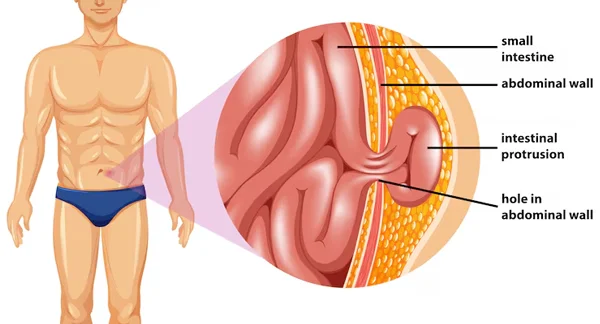
An inguinal hernia is one of the most common types of hernia, affecting people of all ages, particularly men. It occurs when a portion of the intestine or abdominal tissue pushes through a weak spot in the abdominal wall near the groin area. While some inguinal hernias may initially cause mild discomfort, they can gradually enlarge and lead to serious complications if left untreated. Surgical repair is the most effective and permanent treatment for an inguinal hernia.
At BeatX Healthcare, we offer advanced and safe Inguinal Hernia Surgery using modern surgical techniques, including open and laparoscopic procedures. Our experienced surgeons focus on providing effective treatment, minimal discomfort, and faster recovery so patients can return to their normal activities with confidence.
What is an Inguinal Hernia?
An inguinal hernia develops when tissue, such as part of the intestine or fatty tissue, protrudes through a weak area in the lower abdominal wall. This creates a visible or palpable bulge in the groin region, which may become more noticeable while standing, coughing, lifting heavy objects, or straining.
Inguinal hernias occur because of weakness in the abdominal muscles. Some people are born with this weakness, while others develop it over time due to aging, physical strain, or increased pressure within the abdomen.
There are two main types of inguinal hernias:
Indirect Inguinal Hernia
This type is usually present from birth due to incomplete closure of the inguinal canal. It is more common in younger individuals.
Direct Inguinal Hernia
This type develops later in life due to weakening of the abdominal wall muscles and is more commonly seen in adults and older individuals.
Causes of Inguinal Hernia
Several factors can contribute to the development of an inguinal hernia.
Weak Abdominal Muscles
Natural weakness in the abdominal wall is one of the primary causes.
Heavy Lifting
Frequent lifting of heavy objects increases pressure inside the abdomen.
Chronic Cough
Persistent coughing places repeated strain on abdominal muscles.
Constipation
Repeated straining during bowel movements can weaken the abdominal wall.
Obesity
Excess body weight increases abdominal pressure and contributes to hernia formation.
Pregnancy
Increased abdominal pressure during pregnancy may contribute to hernia development.
Previous Abdominal Surgery
Surgical scars can weaken the abdominal wall and increase hernia risk.
Family History
A genetic tendency toward weaker connective tissues can increase susceptibility.
Symptoms of Inguinal Hernia
The symptoms of an inguinal hernia vary depending on its size and severity.
Common symptoms include:
- Visible bulge in the groin area
- Pain or discomfort while lifting
- Burning or aching sensation
- Feeling of heaviness in the groin
- Swelling around the groin or scrotum
- Pain during coughing or bending
- Weakness or pressure sensation in the lower abdomen
Some small hernias may initially cause minimal symptoms but can become larger and more painful over time.
When is Hernia Surgery Necessary?
Unlike some medical conditions, an inguinal hernia does not heal on its own. Over time, the weakness in the abdominal wall usually worsens.
Surgery is generally recommended when:
- The hernia causes pain or discomfort
- The bulge is increasing in size
- Daily activities are affected
- There is a risk of complications
- The hernia becomes difficult to push back inside
Early surgical repair often prevents emergency situations and improves long-term outcomes.
Risks of Untreated Inguinal Hernia
Ignoring an inguinal hernia can lead to serious complications.
Incarcerated Hernia
The protruding tissue becomes trapped and cannot be pushed back into the abdomen.
Strangulated Hernia
Blood supply to the trapped tissue becomes blocked, leading to tissue damage.
Intestinal Obstruction
The intestine becomes blocked, causing severe abdominal pain and vomiting.
Severe Pain and Swelling
As the hernia enlarges, symptoms can become significantly worse.
Because of these risks, timely treatment is strongly recommended.
Diagnosis of Inguinal Hernia
At BeatX Healthcare, diagnosis begins with a detailed medical history and physical examination.
The doctor evaluates:
- Location of the bulge
- Size of the hernia
- Pain severity
- Ability to reduce the hernia
- Presence of complications
Additional investigations may include:
Ultrasound
Useful for confirming the diagnosis.
CT Scan
Provides detailed images in complex cases.
MRI
Occasionally recommended when the diagnosis is unclear.
These investigations help determine the most suitable treatment approach.
Treatment Options for Inguinal Hernia
Surgery is the only permanent treatment for an inguinal hernia.
The two primary surgical approaches include:
Open Hernia Repair
The surgeon makes an incision in the groin area, returns the protruding tissue to its proper position, and reinforces the abdominal wall with surgical mesh.
Laparoscopic Hernia Repair
This minimally invasive technique uses small incisions, a camera, and specialized instruments to repair the hernia from inside the abdomen.
The choice of procedure depends on factors such as hernia size, patient health, previous surgeries, and surgeon recommendations.
Inguinal Hernia Surgery Procedure
Step 1: Preoperative Assessment
The patient undergoes a thorough evaluation, including blood tests and imaging studies if necessary.
Step 2: Administration of Anesthesia
The procedure may be performed under local, spinal, or general anesthesia depending on the surgical approach.
Step 3: Accessing the Hernia
In open surgery, a single incision is made in the groin. In laparoscopic surgery, several small incisions are created.
Step 4: Returning Tissue to Position
The protruding intestine or tissue is gently moved back into the abdominal cavity.
Step 5: Repairing the Defect
The weakened area of the abdominal wall is repaired.
Step 6: Mesh Placement
A surgical mesh is commonly used to strengthen the abdominal wall and reduce recurrence risk.
Step 7: Closure
The incision is closed using sutures or surgical staples.
Most procedures are completed within one to two hours.
Benefits of Inguinal Hernia Surgery
Permanent Treatment
Surgery addresses the underlying defect in the abdominal wall.
Relief from Pain
Most patients experience significant improvement in symptoms.
Prevention of Complications
Repair eliminates the risk of strangulation and obstruction.
Improved Quality of Life
Patients can return to normal daily activities without discomfort.
Reduced Recurrence Risk
Modern mesh-based repairs provide durable and long-lasting results.
Better Physical Function
Patients can exercise, work, and perform daily activities more comfortably after recovery.
Recovery After Inguinal Hernia Surgery
Recovery depends on the type of surgery performed and individual health factors.
First 24 Hours
Patients may experience:
- Mild pain
- Swelling around the incision
- Temporary fatigue
Pain medications help manage discomfort effectively.
First Week
Most patients can:
- Walk comfortably
- Perform light activities
- Resume a normal diet
Two to Four Weeks
Many individuals return to office work and routine activities.
Four to Six Weeks
Most patients can gradually resume exercise and heavier physical activities with medical approval.
Postoperative Care Instructions
Following your surgeon's instructions is important for successful healing.
Patients should:
- Keep the surgical site clean
- Take medications as prescribed
- Avoid heavy lifting initially
- Maintain a healthy diet
- Stay hydrated
- Walk regularly
- Attend follow-up appointments
Proper postoperative care significantly improves recovery outcomes.
Risks of Inguinal Hernia Surgery
Although hernia surgery is generally safe, potential risks include:
- Bleeding
- Infection
- Swelling
- Bruising
- Temporary pain
- Fluid accumulation
- Mesh-related complications
- Recurrence of hernia
Serious complications are uncommon when surgery is performed by experienced surgeons.
Can an Inguinal Hernia Return After Surgery?
Modern hernia repair techniques have low recurrence rates. However, recurrence can occur due to:
- Excessive strain during recovery
- Chronic coughing
- Obesity
- Smoking
- Poor tissue healing
- Very large hernias
Following postoperative instructions carefully helps minimize recurrence risk.
Why Choose BeatX Healthcare for Inguinal Hernia Surgery?
At BeatX Healthcare, we provide comprehensive hernia treatment using advanced surgical techniques and patient-focused care.
Our Advantages
- Experienced hernia surgeons
- Advanced laparoscopic facilities
- Modern operation theatres
- Personalized treatment plans
- Comprehensive diagnostic services
- Faster recovery protocols
- Dedicated postoperative support
- Affordable and transparent care
Our goal is to deliver safe surgery, effective treatment, and long-term relief from hernia-related problems.
Frequently Asked Questions (FAQs)
1. What is an inguinal hernia?
An inguinal hernia occurs when tissue or part of the intestine protrudes through a weak area in the abdominal wall near the groin.
2. Can an inguinal hernia heal without surgery?
No. An inguinal hernia does not heal on its own and usually requires surgical repair.
3. Is inguinal hernia surgery painful?
The procedure is performed under anesthesia, and postoperative discomfort is usually manageable with medications.
4. How long does the surgery take?
Most inguinal hernia surgeries take approximately one to two hours.
5. What is the difference between open and laparoscopic surgery?
Open surgery uses a larger incision, while laparoscopic surgery uses small incisions and specialized instruments, often resulting in faster recovery.
6. When can I return to work?
Many patients return to office work within one to two weeks, depending on recovery and job requirements.
7. Is mesh always used during surgery?
In most cases, surgical mesh is used to strengthen the repair and reduce recurrence risk.
8. Can I exercise after hernia surgery?
Yes, but strenuous activities should be avoided until your surgeon approves a gradual return to exercise.
9. What happens if a hernia is left untreated?
Untreated hernias can enlarge and may lead to incarceration, strangulation, or intestinal obstruction.
10. Is laparoscopic hernia surgery safe?
Yes. Laparoscopic hernia repair is considered a safe and effective minimally invasive procedure.
11. Can an inguinal hernia come back after surgery?
Recurrence is uncommon but can occur in some cases. Proper surgical repair and postoperative care help reduce this risk.
12. Why choose BeatX Healthcare for hernia treatment?
BeatX Healthcare offers experienced surgeons, advanced surgical technology, personalized treatment plans, and comprehensive recovery support to ensure optimal outcomes for patients undergoing inguinal hernia surgery.