

Laparoscopic Rectal Prolapse Surgery
Laparoscopic Rectal Prolapse Surgery Starting from 40,000/-Rs.
Rectal prolapse is a condition in which the rectum, the final portion of the large intestine, slips down and protrudes through the anus. This condition can cause discomfort, difficulty passing stools, mucus discharge, bleeding, fecal incontinence, and a noticeable bulge outside the anal opening. While mild cases may initially be managed conservatively, complete rectal prolapse usually requires surgical correction to restore normal anatomy and improve quality of life.
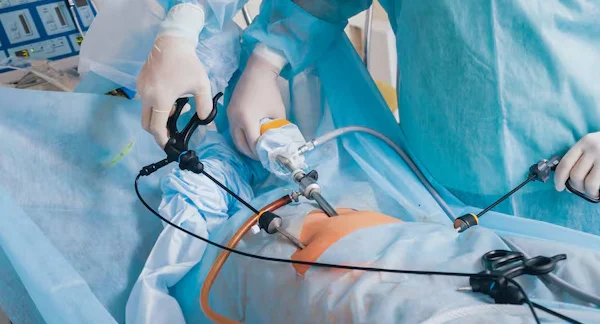
Laparoscopic Rectal Prolapse Surgery is a modern minimally invasive procedure that repairs the prolapsed rectum through small abdominal incisions. Compared to traditional open surgery, laparoscopic surgery offers less pain, smaller scars, reduced hospital stay, and faster recovery.
At BeatX Healthcare, our experienced colorectal and laparoscopic surgeons provide advanced treatment for rectal prolapse using the latest surgical techniques, ensuring safe outcomes, faster healing, and long-term relief from symptoms.
What is Rectal Prolapse?
Rectal prolapse occurs when the rectum loses its normal support structures and slides downward through the anal canal. The condition may begin as a partial prolapse during bowel movements and gradually progress to complete prolapse, where the rectum remains outside the anus.
The condition is more common in:
- Older adults
- Women after multiple childbirths
- Individuals with chronic constipation
- Patients with weakened pelvic floor muscles
- People with neurological disorders affecting bowel control
Rectal prolapse is not only uncomfortable but can significantly affect bowel function and daily activities.
Types of Rectal Prolapse
Partial (Mucosal) Prolapse
Only the inner lining of the rectum protrudes through the anus.
Complete Rectal Prolapse
The entire thickness of the rectal wall protrudes through the anal opening.
Internal Rectal Prolapse
The rectum folds into itself internally without protruding outside the anus.
The type and severity of prolapse help determine the most appropriate treatment approach.
Causes of Rectal Prolapse
Several factors can contribute to weakening of the pelvic floor and rectal support structures.
Chronic Constipation
Repeated straining during bowel movements weakens pelvic tissues.
Chronic Diarrhea
Frequent bowel movements can also damage supporting structures.
Aging
Natural weakening of muscles and ligaments occurs with age.
Childbirth
Multiple vaginal deliveries may weaken pelvic floor muscles.
Pelvic Floor Dysfunction
Poor muscle support can lead to prolapse.
Neurological Disorders
Conditions affecting nerves and muscle control may contribute.
Previous Pelvic Surgery
Certain surgeries can alter pelvic support structures.
Genetic Factors
Some individuals have naturally weaker connective tissues.
Symptoms of Rectal Prolapse
Symptoms vary depending on the severity of the prolapse.
Common symptoms include:
- Tissue protruding from the anus
- Difficulty controlling bowel movements
- Constipation
- Incomplete bowel evacuation
- Mucus discharge
- Rectal bleeding
- Anal discomfort
- Pain during bowel movements
- Fecal incontinence
- Feeling of a bulge or pressure in the rectum
As the prolapse worsens, symptoms typically become more severe and frequent.
When is Surgery Required?
Surgery is usually recommended when:
- The rectum protrudes outside the anus
- Symptoms interfere with daily life
- Conservative treatments fail
- Fecal incontinence develops
- Recurrent prolapse occurs
- Constipation becomes severe
- Bleeding and mucus discharge persist
Surgical correction restores normal anatomy and significantly improves bowel function.
Risks of Untreated Rectal Prolapse
Ignoring rectal prolapse can lead to complications such as:
Progressive Enlargement
The prolapse often becomes larger over time.
Fecal Incontinence
Loss of bowel control may worsen.
Chronic Constipation
Bowel movements may become increasingly difficult.
Rectal Ulcers
Prolonged exposure can damage rectal tissue.
Bleeding
Persistent irritation may cause recurrent bleeding.
Strangulation
Blood supply to the prolapsed tissue may become compromised.
Early treatment helps prevent these complications and improves long-term outcomes.
Diagnosis Before Surgery
At BeatX Healthcare, a comprehensive evaluation is performed before recommending surgery.
Physical Examination
The doctor examines the prolapse and evaluates its severity.
Colonoscopy
May be performed to rule out other colorectal conditions.
Defecography
A specialized imaging study that evaluates bowel function.
MRI Pelvis
Provides detailed information about pelvic floor structures.
Anal Manometry
Measures anal sphincter muscle strength.
Blood Tests
Routine investigations help assess overall fitness for surgery.
These tests help determine the most suitable surgical approach.
What is Laparoscopic Rectal Prolapse Surgery?
Laparoscopic rectal prolapse surgery, often called laparoscopic rectopexy, is a minimally invasive procedure that restores the rectum to its normal position inside the pelvis.
Using small incisions and a laparoscope (camera), the surgeon carefully mobilizes the rectum and secures it to the sacrum (tailbone area) using sutures or mesh.
This prevents the rectum from slipping downward again.
The procedure effectively treats both prolapse and many associated symptoms.
Procedure of Laparoscopic Rectal Prolapse Surgery
Step 1: General Anesthesia
The patient is placed under general anesthesia and remains asleep throughout the procedure.
Step 2: Small Incisions
Several small incisions are made in the abdomen.
Step 3: Insertion of the Laparoscope
A high-definition camera is inserted to provide detailed visualization.
Step 4: Mobilization of the Rectum
The surgeon carefully frees the rectum from surrounding tissues.
Step 5: Repositioning
The rectum is lifted back into its normal position within the pelvis.
Step 6: Rectopexy
The rectum is secured to the sacrum using sutures or a surgical mesh.
This prevents future prolapse.
Step 7: Closure
The instruments are removed, and the small incisions are closed.
The surgery generally takes between 1.5 and 3 hours depending on the complexity of the case.
Benefits of Laparoscopic Rectal Prolapse Surgery
Minimally Invasive
Small incisions result in less tissue trauma.
Less Postoperative Pain
Most patients experience less discomfort compared to open surgery.
Faster Recovery
Patients return to normal activities sooner.
Smaller Scars
Minimal scarring provides better cosmetic outcomes.
Improved Bowel Function
Many patients experience relief from constipation and incomplete evacuation.
Better Control of Bowel Movements
The procedure can improve fecal continence in many patients.
Shorter Hospital Stay
Most patients are discharged within a few days.
Lower Risk of Recurrence
Modern rectopexy techniques provide durable long-term results.
Recovery After Laparoscopic Rectal Prolapse Surgery
Recovery is generally smooth and quicker than traditional open surgery.
First 24 Hours
Patients may experience:
- Mild abdominal discomfort
- Temporary bloating
- Mild fatigue
- Soreness around incision sites
Walking is encouraged soon after surgery.
First Week
Most patients:
- Begin eating soft foods
- Walk comfortably
- Resume light daily activities
Two to Four Weeks
Many individuals return to office work and routine tasks.
Four to Six Weeks
Gradual return to normal physical activities is usually permitted.
Full recovery varies depending on overall health and the complexity of the surgery.
Postoperative Care Instructions
Following recovery guidelines helps ensure successful healing.
Avoid Straining
Prevent constipation by maintaining regular bowel movements.
Eat a High-Fiber Diet
Fiber helps soften stools and reduce strain.
Stay Hydrated
Adequate fluid intake supports bowel function.
Walk Regularly
Light activity promotes circulation and healing.
Take Medications as Prescribed
Follow all instructions regarding pain relief and bowel management.
Attend Follow-Up Appointments
Regular monitoring helps identify and address any concerns early.
Diet After Surgery
A healthy diet is essential for recovery.
Recommended Foods
- Fruits
- Vegetables
- Whole grains
- Lean proteins
- Plenty of water
Foods to Limit
- Highly processed foods
- Excessively spicy foods
- Foods that cause constipation
A balanced diet helps maintain healthy bowel habits and reduces recurrence risk.
Risks and Complications
Although laparoscopic rectal prolapse surgery is generally safe, potential risks include:
- Bleeding
- Infection
- Constipation
- Temporary urinary difficulties
- Mesh-related complications (if mesh is used)
- Injury to nearby organs
- Recurrence of prolapse
- Anesthesia-related complications
Serious complications are uncommon when surgery is performed by experienced colorectal surgeons.
Can Rectal Prolapse Return After Surgery?
Modern laparoscopic rectopexy provides excellent long-term results.
However, recurrence may occur due to:
- Chronic constipation
- Excessive straining
- Weak connective tissues
- Severe pelvic floor dysfunction
- Advanced age
Following postoperative recommendations significantly reduces recurrence risk.
Life After Rectal Prolapse Surgery
Most patients experience substantial improvement in quality of life following surgery.
Benefits often include:
- Elimination of prolapse symptoms
- Improved bowel control
- Reduced constipation
- Better confidence in social situations
- Relief from discomfort and irritation
- Enhanced daily functioning
Many patients report dramatic improvement within weeks of surgery.
Why Choose BeatX Healthcare for Rectal Prolapse Surgery?
At BeatX Healthcare, we provide specialized colorectal care using advanced minimally invasive surgical techniques and personalized treatment plans.
Our Advantages
- Experienced colorectal and laparoscopic surgeons
- Advanced surgical technology
- Modern operation theatres
- Comprehensive diagnostic facilities
- Personalized treatment plans
- Faster recovery protocols
- Dedicated postoperative care
- Patient-centered approach
- Transparent and affordable treatment
Our team is committed to helping patients achieve long-term relief from rectal prolapse with safe surgery and excellent outcomes.
Frequently Asked Questions (FAQs)
1. What is rectal prolapse?
Rectal prolapse occurs when the rectum slips downward and protrudes through the anus.
2. Can rectal prolapse heal without surgery?
Complete rectal prolapse generally requires surgical repair for permanent correction.
3. What is laparoscopic rectopexy?
Laparoscopic rectopexy is a minimally invasive procedure that repositions and secures the rectum inside the pelvis.
4. Is laparoscopic surgery painful?
Most patients experience significantly less pain compared to traditional open surgery.
5. How long does the surgery take?
The procedure usually takes between 1.5 and 3 hours.
6. How many days will I stay in the hospital?
Most patients stay in the hospital for 2–4 days after surgery.
7. When can I return to work?
Many patients return to office work within 2–4 weeks depending on recovery.
8. Will surgery improve constipation?
Many patients experience improvement in bowel function, although results vary depending on individual conditions.
9. Can surgery help with fecal incontinence?
Yes, many patients experience improved bowel control after prolapse repair.
10. Is recurrence common?
Recurrence rates are generally low with modern laparoscopic rectopexy techniques.
11. What foods should I eat after surgery?
A high-fiber diet with adequate fluids is recommended to prevent constipation and support healing.
12. Why choose BeatX Healthcare for rectal prolapse treatment?
BeatX Healthcare offers experienced colorectal surgeons, advanced laparoscopic techniques, comprehensive diagnostics, personalized care plans, and dedicated recovery support to ensure excellent long-term outcomes.