

Hysterectomy
Hysterectomy Surgery Starting from 45,000/-Rs.
A hysterectomy is one of the most commonly performed gynecological surgeries worldwide. It involves the surgical removal of the uterus (womb) and is often recommended for women suffering from conditions such as fibroids, abnormal uterine bleeding, endometriosis, adenomyosis, uterine prolapse, chronic pelvic pain, or certain gynecological cancers. When symptoms significantly affect a woman's quality of life and conservative treatments fail to provide relief, a hysterectomy may offer a permanent and effective solution.
At BeatX Healthcare, we provide advanced hysterectomy procedures using modern surgical techniques, including laparoscopic and minimally invasive approaches. Our experienced gynecologists focus on personalized care, patient safety, faster recovery, and long-term well-being.
What is a Hysterectomy?
A hysterectomy is a surgical procedure in which the uterus is removed. After the uterus is removed, a woman can no longer become pregnant and menstrual periods stop permanently.
Depending on the medical condition being treated, the surgery may also involve removal of the cervix, ovaries, and fallopian tubes.
Hysterectomy is often recommended when other treatment options such as medications, hormonal therapy, or less invasive procedures have not been successful.
Types of Hysterectomy
Total Hysterectomy
This is the most common type and involves removal of both the uterus and cervix.
Partial (Subtotal) Hysterectomy
Only the upper portion of the uterus is removed while the cervix remains intact.
Radical Hysterectomy
Performed mainly for certain cancers, this procedure removes the uterus, cervix, surrounding tissues, and part of the upper vagina.
Total Hysterectomy with Bilateral Salpingo-Oophorectomy
The uterus, cervix, both ovaries, and fallopian tubes are removed.
The type of hysterectomy depends on the underlying condition and the patient's overall health.
Why is a Hysterectomy Performed?
A hysterectomy may be recommended for several gynecological conditions.
Uterine Fibroids
Large or multiple fibroids can cause heavy bleeding, pelvic pain, and pressure symptoms.
Abnormal Uterine Bleeding
Persistent heavy or irregular bleeding that does not respond to other treatments.
Endometriosis
A condition where tissue similar to the uterine lining grows outside the uterus, causing pain and fertility issues.
Adenomyosis
The uterine lining grows into the muscular wall of the uterus, leading to severe pain and heavy periods.
Uterine Prolapse
The uterus slips downward into the vaginal canal due to weakened pelvic floor muscles.
Chronic Pelvic Pain
Persistent pelvic discomfort caused by various gynecological conditions.
Gynecological Cancers
Cancer of the uterus, cervix, ovaries, or endometrium may require hysterectomy as part of treatment.
Symptoms That May Indicate the Need for a Hysterectomy
Women suffering from the following symptoms may benefit from medical evaluation:
- Heavy menstrual bleeding
- Prolonged menstrual periods
- Severe pelvic pain
- Pressure in the lower abdomen
- Pain during intercourse
- Frequent urination due to fibroids
- Chronic anemia from blood loss
- Pelvic organ prolapse symptoms
- Persistent uterine abnormalities
A thorough assessment helps determine whether hysterectomy is the most appropriate treatment.
Diagnostic Evaluation Before Surgery
At BeatX Healthcare, a detailed evaluation is performed before recommending hysterectomy.
Medical History and Physical Examination
Assessment of symptoms and overall health.
Pelvic Ultrasound
Helps identify fibroids, ovarian cysts, and uterine abnormalities.
MRI Scan
May be used for detailed evaluation of complex conditions.
Pap Smear
Screens for cervical abnormalities.
Endometrial Biopsy
Evaluates abnormal uterine bleeding and rules out cancer.
Blood Tests
Assess anemia, infection, and fitness for surgery.
These investigations ensure accurate diagnosis and treatment planning.
Surgical Approaches for Hysterectomy
Several techniques may be used depending on the patient's condition.
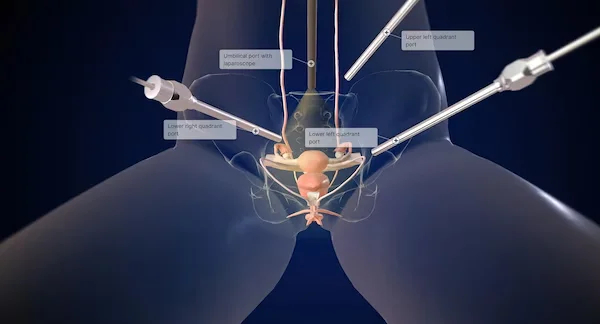
Laparoscopic Hysterectomy
A minimally invasive procedure performed through small abdominal incisions using a camera and specialized instruments.
Vaginal Hysterectomy
The uterus is removed through the vagina without external incisions.
Abdominal Hysterectomy
Performed through a larger abdominal incision and usually reserved for complex cases.
Robotic-Assisted Hysterectomy
A highly precise minimally invasive technique using robotic technology.
The choice of procedure depends on the size of the uterus, medical condition, previous surgeries, and surgeon recommendation.
Procedure of Laparoscopic Hysterectomy
Step 1: General Anesthesia
The patient is placed under general anesthesia and remains asleep throughout the procedure.
Step 2: Small Incisions
Several tiny incisions are made in the abdomen.
Step 3: Insertion of Laparoscope
A high-definition camera is inserted to provide a detailed view of pelvic organs.
Step 4: Separation of the Uterus
The surgeon carefully detaches the uterus from surrounding structures.
Step 5: Removal of the Uterus
The uterus is removed either through the vagina or in small sections through the abdominal incisions.
Step 6: Closure
The incisions are closed with sutures or surgical glue.
The procedure generally takes between one and three hours depending on complexity.
Benefits of Hysterectomy
Permanent Relief from Symptoms
Eliminates conditions causing severe bleeding, pain, or pressure.
Improved Quality of Life
Many women experience significant improvement in daily comfort and overall well-being.
No More Menstrual Periods
Menstrual bleeding stops permanently after surgery.
Elimination of Uterine Fibroids
Prevents recurrence of fibroid-related symptoms.
Relief from Chronic Pelvic Pain
Many patients experience long-term pain relief.
Reduced Cancer Risk
In some cases, removal of reproductive organs lowers cancer risk.
Improved Mobility and Comfort
Relief from pelvic pressure improves daily functioning.
Potential Side Effects of Hysterectomy
Like any surgery, hysterectomy may have side effects and long-term considerations.
Pain and Discomfort
Temporary postoperative discomfort is common.
Fatigue
Energy levels may take several weeks to return to normal.
Emotional Changes
Some women experience emotional adjustments after surgery.
Menopause Symptoms
If the ovaries are removed, menopause begins immediately.
Symptoms may include:
- Hot flashes
- Night sweats
- Mood changes
- Vaginal dryness
Temporary Bladder or Bowel Changes
Some women experience short-term changes during recovery.
Most side effects improve as healing progresses.
Risks and Complications
Although hysterectomy is generally safe, potential risks include:
- Bleeding
- Infection
- Blood clots
- Injury to nearby organs
- Urinary tract complications
- Anesthesia-related risks
- Scar tissue formation
Complications are uncommon when surgery is performed by experienced gynecological surgeons.
Recovery After Hysterectomy
Recovery depends on the surgical approach used.
First 24–48 Hours
Patients may experience:
- Mild to moderate pain
- Fatigue
- Abdominal soreness
- Temporary bloating
Early walking is encouraged to promote circulation.
First Two Weeks
Most women gradually resume light activities around the house.
Two to Six Weeks
Recovery continues with increasing energy and mobility.
Many patients return to office work during this period depending on the procedure performed.
Six to Eight Weeks
Most women achieve full recovery and can resume normal activities with medical approval.
Postoperative Care Instructions
For optimal recovery, patients should:
Avoid Heavy Lifting
Strenuous activity should be avoided for several weeks.
Eat a Balanced Diet
Healthy nutrition supports healing.
Stay Hydrated
Adequate fluid intake promotes recovery.
Walk Regularly
Light walking improves circulation and reduces clot risk.
Take Prescribed Medications
Follow all medication instructions carefully.
Attend Follow-Up Appointments
Regular checkups ensure proper healing.
Life After Hysterectomy
Most women experience a significant improvement in quality of life after surgery.
Benefits may include:
- Freedom from heavy bleeding
- Relief from chronic pain
- Improved energy levels
- Better sleep quality
- Enhanced physical comfort
- Increased confidence in daily activities
Women whose ovaries remain intact continue producing hormones normally and do not enter menopause immediately.
Why Choose BeatX Healthcare for Hysterectomy?
At BeatX Healthcare, we provide advanced gynecological care with a strong focus on patient comfort and surgical excellence.
Our Advantages
- Experienced gynecologists and laparoscopic surgeons
- Advanced minimally invasive technology
- Modern operation theatres
- Personalized treatment plans
- Comprehensive diagnostic facilities
- Faster recovery protocols
- Dedicated postoperative support
- Patient-centered care
- Transparent and affordable treatment
Our goal is to provide safe surgery, effective symptom relief, and long-term wellness for every patient.
Frequently Asked Questions (FAQs)
1. What is a hysterectomy?
A hysterectomy is a surgical procedure that removes the uterus and may also involve removal of the cervix, ovaries, or fallopian tubes.
2. Why is a hysterectomy performed?
It is commonly performed for fibroids, abnormal bleeding, endometriosis, adenomyosis, prolapse, chronic pelvic pain, and certain cancers.
3. Will I have periods after a hysterectomy?
No. Menstrual periods stop permanently after removal of the uterus.
4. Can I become pregnant after a hysterectomy?
No. Pregnancy is no longer possible after the uterus is removed.
5. Is laparoscopic hysterectomy better than open surgery?
For many patients, laparoscopic surgery offers less pain, smaller scars, and faster recovery.
6. How long does the surgery take?
The procedure usually takes between one and three hours depending on complexity.
7. How many days will I stay in the hospital?
Most patients stay one to three days, depending on the type of surgery performed.
8. Will I enter menopause after hysterectomy?
Only if both ovaries are removed. If the ovaries remain, hormone production usually continues.
9. How long does recovery take?
Most women recover within six to eight weeks, although laparoscopic procedures often allow earlier return to daily activities.
10. Is hysterectomy a major surgery?
Yes, it is considered a major surgical procedure, but modern techniques have made it significantly safer and less invasive.
11. Are there alternatives to hysterectomy?
Depending on the condition, alternatives may include medications, hormonal therapy, myomectomy, uterine artery embolization, or endometrial ablation.
12. Why choose BeatX Healthcare for hysterectomy?
BeatX Healthcare offers experienced gynecological surgeons, advanced minimally invasive techniques, comprehensive diagnostics, personalized treatment plans, and dedicated recovery support to ensure excellent outcomes and patient satisfaction.