

Laparoscopic Hysterectomy
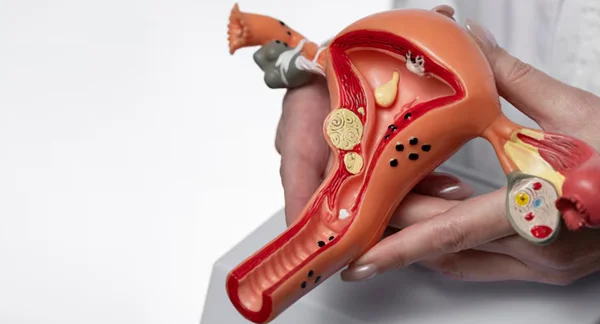
Laparoscopic Hysterectomy Surgery Starting from 55,000/-Rs.
A hysterectomy is a surgical procedure performed to remove the uterus (womb) and is one of the most common gynecological surgeries worldwide. Traditionally, hysterectomies were performed through large abdominal incisions, requiring longer recovery times and causing more postoperative discomfort. However, advancements in minimally invasive surgery have made Laparoscopic Hysterectomy a preferred option for many women.
Laparoscopic hysterectomy uses small incisions, specialized surgical instruments, and a high-definition camera to remove the uterus with greater precision and less trauma to surrounding tissues. The procedure offers numerous advantages, including reduced pain, shorter hospital stays, faster recovery, and smaller scars.
At BeatX Healthcare, our experienced gynecologists and laparoscopic surgeons provide advanced hysterectomy procedures using modern technology and evidence-based techniques. We focus on patient safety, comfort, and achieving the best possible outcomes for women suffering from various gynecological conditions.
What is a Laparoscopic Hysterectomy?
A laparoscopic hysterectomy is a minimally invasive surgical procedure used to remove the uterus through small incisions in the abdomen.
The surgeon uses:
- A laparoscope (thin camera-equipped instrument)
- Specialized surgical tools
- High-definition imaging systems
The laparoscope transmits magnified images to a monitor, allowing the surgeon to perform the procedure with enhanced precision.
Depending on the patient's condition, the surgery may also involve removal of:
- Cervix
- Fallopian tubes
- Ovaries
Because the procedure uses small incisions rather than a large abdominal cut, recovery is generally faster and more comfortable.
Purpose of Laparoscopic Hysterectomy
A laparoscopic hysterectomy is recommended when gynecological conditions significantly affect a woman's health or quality of life.
Common reasons include:
Uterine Fibroids
Large fibroids can cause heavy bleeding, pelvic pressure, and pain.
Abnormal Uterine Bleeding
Persistent heavy or irregular bleeding that does not respond to medical treatment.
Endometriosis
A condition where uterine-like tissue grows outside the uterus, causing pain and fertility issues.
Adenomyosis
The uterine lining grows into the muscle wall of the uterus, leading to severe pain and heavy periods.
Uterine Prolapse
The uterus descends into the vaginal canal due to weakened pelvic floor muscles.
Chronic Pelvic Pain
Long-term pelvic pain related to uterine conditions.
Gynecological Cancers
Cancer affecting the uterus, cervix, endometrium, or ovaries may require hysterectomy as part of treatment.
Precancerous Conditions
Certain abnormal changes may require preventive surgery.
Types of Laparoscopic Hysterectomy
Total Laparoscopic Hysterectomy (TLH)
The uterus and cervix are completely removed using laparoscopic techniques.
Laparoscopic Assisted Vaginal Hysterectomy (LAVH)
The surgery begins laparoscopically, and the uterus is removed through the vagina.
Supracervical Laparoscopic Hysterectomy
Only the uterus is removed while the cervix remains intact.
Radical Laparoscopic Hysterectomy
Performed primarily for cancer treatment and involves removal of additional surrounding tissues.
The most appropriate procedure depends on the patient's diagnosis and treatment goals.
Symptoms That May Indicate the Need for Hysterectomy
Women may benefit from evaluation if they experience:
- Heavy menstrual bleeding
- Prolonged menstrual periods
- Severe pelvic pain
- Pelvic pressure
- Frequent urination due to fibroids
- Pain during intercourse
- Recurrent anemia from blood loss
- Chronic pelvic discomfort
- Uterine prolapse symptoms
Persistent symptoms should be evaluated by a qualified gynecologist.
Diagnostic Evaluation Before Surgery
At BeatX Healthcare, a detailed assessment is performed before surgery.
Medical History and Examination
Review of symptoms, medical conditions, and treatment history.
Pelvic Ultrasound
Evaluates fibroids, ovarian cysts, and uterine abnormalities.
MRI Scan
Provides detailed imaging for complex conditions.
Pap Smear
Screens for cervical abnormalities.
Endometrial Biopsy
May be performed for abnormal bleeding.
Blood Tests
Assess overall health and surgical fitness.
ECG and Anesthesia Assessment
Ensures safety during surgery.
These investigations help determine whether laparoscopic hysterectomy is appropriate.
Procedure Steps of Laparoscopic Hysterectomy
The procedure is usually performed under general anesthesia and typically takes between one and three hours.
Step 1: Administration of Anesthesia
The patient is placed under general anesthesia and remains asleep throughout the procedure.
Step 2: Small Incisions
The surgeon creates several small incisions in the abdomen.
These incisions are usually less than one centimeter in size.
Step 3: Inflation of the Abdomen
Carbon dioxide gas is introduced into the abdominal cavity to create working space.
Step 4: Insertion of the Laparoscope
A high-definition camera is inserted through one of the incisions.
The camera provides detailed visualization of the uterus and surrounding organs.
Step 5: Separation of the Uterus
The surgeon carefully separates the uterus from:
- Ligaments
- Blood vessels
- Supporting tissues
If necessary, the ovaries and fallopian tubes may also be removed.
Step 6: Removal of the Uterus
The uterus is typically removed through the vagina or in smaller sections through the abdominal incisions.
Step 7: Closure
The instruments are removed, gas is released, and the small incisions are closed with sutures or surgical glue.
Benefits of Laparoscopic Hysterectomy
Minimally Invasive
Only small incisions are required.
Less Postoperative Pain
Patients generally experience less discomfort compared to open surgery.
Faster Recovery
Most women return to normal activities sooner.
Smaller Scars
Minimal scarring improves cosmetic outcomes.
Reduced Blood Loss
The precision of laparoscopic surgery helps minimize bleeding.
Lower Risk of Infection
Smaller wounds reduce infection risk.
Shorter Hospital Stay
Many patients return home within one or two days.
Early Return to Work
Recovery is often significantly faster than traditional surgery.
Recovery After Laparoscopic Hysterectomy
Recovery is generally smoother and quicker compared to open hysterectomy.
First 24 Hours
Patients may experience:
- Mild abdominal discomfort
- Fatigue
- Temporary bloating
- Mild shoulder pain from surgical gas
Walking is encouraged shortly after surgery.
First Week
Most patients:
- Resume light daily activities
- Walk comfortably
- Eat a normal diet gradually
Two to Four Weeks
Many women return to office work and routine activities.
Four to Six Weeks
Most patients resume normal physical activities with medical approval.
Complete healing continues over several weeks.
Postoperative Care Instructions
To ensure optimal recovery:
Avoid Heavy Lifting
Heavy physical activity should be avoided during early healing.
Eat a Healthy Diet
Balanced nutrition supports recovery.
Stay Hydrated
Adequate fluid intake helps prevent constipation.
Walk Regularly
Light walking improves circulation and reduces clot risk.
Take Medications as Prescribed
Follow all medical instructions carefully.
Attend Follow-Up Appointments
Regular reviews help monitor healing progress.
Potential Side Effects After Surgery
Most side effects are temporary and improve with recovery.
Common side effects include:
- Mild pain
- Fatigue
- Vaginal spotting
- Bloating
- Constipation
- Emotional adjustment
If the ovaries are removed, menopause symptoms may occur.
These can include:
- Hot flashes
- Mood changes
- Night sweats
- Vaginal dryness
Your doctor will discuss management options if necessary.
Risks and Complications
Although laparoscopic hysterectomy is considered very safe, potential risks include:
- Bleeding
- Infection
- Blood clots
- Injury to nearby organs
- Urinary tract complications
- Anesthesia-related complications
- Scar tissue formation
Serious complications are uncommon when surgery is performed by experienced gynecological surgeons.
Life After Laparoscopic Hysterectomy
Most women experience a significant improvement in quality of life after surgery.
Benefits often include:
- Relief from heavy bleeding
- Elimination of fibroid symptoms
- Reduced pelvic pain
- Improved energy levels
- Better sleep quality
- Enhanced daily comfort
Women who retain their ovaries continue producing hormones naturally and do not enter menopause immediately.
Laparoscopic Hysterectomy vs Open Hysterectomy
| Feature | Laparoscopic Hysterectomy | Open Hysterectomy |
|---|---|---|
| Incision Size | Small | Large |
| Pain | Less | More |
| Hospital Stay | Shorter | Longer |
| Recovery Time | Faster | Slower |
| Scarring | Minimal | More Visible |
| Blood Loss | Less | More |
| Return to Work | Earlier | Later |
For many patients, laparoscopic surgery offers significant advantages over traditional open surgery.
Why Choose BeatX Healthcare for Laparoscopic Hysterectomy?
At BeatX Healthcare, we provide advanced gynecological care using the latest minimally invasive surgical techniques.
Our Advantages
- Experienced laparoscopic gynecologists
- Advanced surgical technology
- Modern operation theatres
- Comprehensive diagnostic services
- Personalized treatment plans
- Faster recovery protocols
- Dedicated postoperative care
- Patient-centered approach
- Transparent and affordable treatment
Our goal is to provide safe surgery, effective symptom relief, and long-term wellness for every patient.
Frequently Asked Questions (FAQs)
1. What is a laparoscopic hysterectomy?
A laparoscopic hysterectomy is a minimally invasive procedure that removes the uterus through small abdominal incisions using a camera and specialized instruments.
2. Why is laparoscopic hysterectomy performed?
It is commonly performed for fibroids, abnormal bleeding, endometriosis, adenomyosis, uterine prolapse, chronic pelvic pain, and certain cancers.
3. Is laparoscopic hysterectomy painful?
Most patients experience significantly less pain compared to traditional open surgery.
4. How long does the surgery take?
The procedure usually takes between one and three hours depending on complexity.
5. How many days will I stay in the hospital?
Most patients are discharged within one to two days after surgery.
6. Can I become pregnant after a hysterectomy?
No. Pregnancy is not possible after removal of the uterus.
7. Will I have periods after surgery?
No. Menstrual periods stop permanently after the uterus is removed.
8. Will I enter menopause after surgery?
Only if both ovaries are removed. If the ovaries remain, hormone production generally continues.
9. How long is the recovery period?
Most women recover within four to six weeks, although many return to light activities much sooner.
10. Are there visible scars after laparoscopic surgery?
The incisions are very small and usually leave minimal scarring.
11. Is laparoscopic hysterectomy safer than open surgery?
For many patients, laparoscopic surgery offers lower pain, less blood loss, faster recovery, and reduced hospital stays.
12. Why choose BeatX Healthcare for laparoscopic hysterectomy?
BeatX Healthcare offers experienced gynecological surgeons, advanced minimally invasive technology, personalized treatment plans, comprehensive diagnostics, and dedicated recovery support to ensure excellent surgical outcomes and patient satisfaction.