

Laparoscopic Fibroid Removal
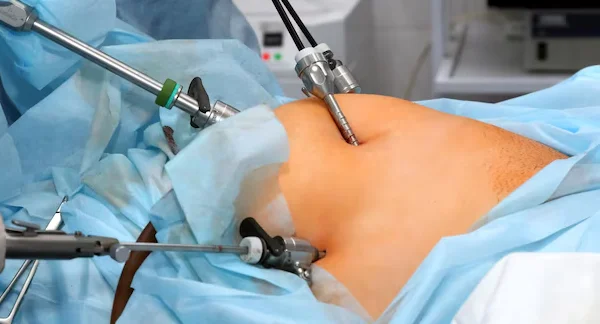
Laparoscopic Fibroid Removal Surgery Starting from 45,000/-Rs.
Uterine fibroids are non-cancerous growths that develop in or around the uterus. They are one of the most common gynecological conditions affecting women during their reproductive years. While some fibroids remain small and symptom-free, others can cause heavy menstrual bleeding, pelvic pain, pressure symptoms, infertility, and recurrent pregnancy complications. When fibroids begin affecting a woman’s health or quality of life, surgical treatment may become necessary.
Laparoscopic Fibroid Removal, also known as Laparoscopic Myomectomy, is a minimally invasive procedure used to remove fibroids while preserving the uterus. This advanced surgical technique allows women to retain their fertility and reproductive potential while experiencing faster recovery and less postoperative discomfort compared to traditional open surgery.
At BeatX Healthcare, our experienced gynecologists and laparoscopic surgeons provide advanced fibroid treatment using state-of-the-art technology, ensuring safe surgery, minimal scarring, and excellent long-term outcomes.
What are Uterine Fibroids?
Fibroids, medically known as leiomyomas, are benign tumors that arise from the muscular wall of the uterus. They can vary significantly in size, number, and location.
Some women may have a single fibroid, while others may develop multiple fibroids of varying sizes.
Although fibroids are non-cancerous, they can sometimes grow large enough to cause significant symptoms and complications.
Types of Fibroids
The location of the fibroid often determines the symptoms it causes.
Intramural Fibroids
These develop within the muscular wall of the uterus and are the most common type.
Submucosal Fibroids
These grow beneath the uterine lining and may cause heavy menstrual bleeding and fertility problems.
Subserosal Fibroids
These develop on the outer surface of the uterus and may exert pressure on nearby organs.
Pedunculated Fibroids
These are attached to the uterus by a stalk and may occur either inside or outside the uterus.
Understanding the type and location of fibroids helps determine the most appropriate treatment approach.
Causes of Fibroids
The exact cause of fibroids remains unclear, but several factors are believed to contribute.
Hormonal Factors
Estrogen and progesterone may stimulate fibroid growth.
Genetic Predisposition
Women with a family history of fibroids have a higher risk.
Reproductive Age
Fibroids are most common during the reproductive years.
Obesity
Excess body weight may increase the risk of fibroid development.
Lifestyle Factors
Diet and hormonal influences may also play a role.
Symptoms of Uterine Fibroids
Many women with fibroids experience no symptoms. However, larger or multiple fibroids may cause:
- Heavy menstrual bleeding
- Prolonged periods
- Pelvic pain
- Pelvic pressure
- Frequent urination
- Constipation
- Lower back pain
- Pain during intercourse
- Infertility
- Recurrent miscarriages
- Abdominal enlargement
Symptoms vary depending on the size, number, and location of fibroids.
When is Fibroid Removal Required?
Surgical removal may be recommended when fibroids cause:
Severe Menstrual Bleeding
Excessive blood loss can lead to anemia and fatigue.
Chronic Pelvic Pain
Persistent pain that affects daily activities.
Infertility
Fibroids may interfere with conception or pregnancy.
Recurrent Pregnancy Loss
Certain fibroids can increase miscarriage risk.
Pressure Symptoms
Large fibroids may press on the bladder or bowel.
Rapid Fibroid Growth
Significant enlargement may require surgical evaluation.
Failure of Medical Treatment
When medications fail to control symptoms effectively.
For women who wish to preserve their uterus and future fertility, laparoscopic myomectomy is often the preferred option.
Diagnosis Before Surgery
At BeatX Healthcare, a thorough evaluation is performed before recommending surgery.
Medical History
Assessment of symptoms, menstrual history, and fertility goals.
Pelvic Examination
Physical examination helps assess uterine enlargement.
Ultrasound Scan
The primary imaging tool used to identify fibroids.
MRI Scan
Provides detailed information about fibroid size, location, and number.
Blood Tests
Used to evaluate anemia and overall health.
Fertility Assessment
May be recommended for women planning future pregnancies.
What is Laparoscopic Fibroid Removal?
Laparoscopic fibroid removal is a minimally invasive surgical procedure that removes fibroids while preserving the uterus.
The procedure is performed through small abdominal incisions using:
- A laparoscope (camera)
- Specialized surgical instruments
- High-definition imaging systems
The surgeon carefully removes the fibroids and repairs the uterine wall.
Unlike hysterectomy, laparoscopic myomectomy allows women to maintain their fertility and retain their uterus.
Procedure of Laparoscopic Fibroid Removal
Step 1: General Anesthesia
The patient is placed under general anesthesia.
Step 2: Small Incisions
Several small incisions are made in the abdomen.
Step 3: Insertion of the Laparoscope
A high-definition camera is introduced to visualize the uterus and fibroids.
Step 4: Identification of Fibroids
The surgeon locates and evaluates all fibroids.
Step 5: Removal of Fibroids
The fibroids are carefully separated from the uterine wall and removed.
Step 6: Repair of the Uterus
The uterine muscle is reconstructed using specialized suturing techniques.
Step 7: Closure
The incisions are closed after ensuring complete hemostasis.
The procedure usually takes between one and three hours depending on the number and size of fibroids.
Benefits of Laparoscopic Fibroid Removal
Uterus Preservation
The uterus remains intact, allowing future pregnancy possibilities.
Minimally Invasive
Small incisions reduce tissue trauma.
Less Pain
Postoperative discomfort is generally lower than open surgery.
Faster Recovery
Patients recover more quickly and return to normal activities sooner.
Smaller Scars
Cosmetic outcomes are significantly improved.
Reduced Blood Loss
Advanced laparoscopic techniques help minimize bleeding.
Shorter Hospital Stay
Most patients are discharged within one or two days.
Improved Fertility Outcomes
Removal of fibroids may improve reproductive potential.
Side Effects After Laparoscopic Fibroid Removal
Most side effects are temporary and improve during recovery.
Mild Abdominal Pain
Discomfort around the incision sites is common.
Fatigue
Patients may feel tired for several days.
Vaginal Spotting
Light bleeding may occur temporarily.
Bloating
Gas used during surgery may cause temporary abdominal fullness.
Shoulder Pain
Referred pain from surgical gas occasionally occurs.
Most side effects resolve within a few days to weeks.
Recovery After Laparoscopic Fibroid Removal
Recovery is generally much faster than traditional open surgery.
First 24 Hours
Patients may experience:
- Mild pain
- Fatigue
- Temporary bloating
- Nausea
Walking is encouraged shortly after surgery.
First Week
Most women:
- Resume light daily activities
- Walk comfortably
- Eat a regular diet
Two to Four Weeks
Many patients return to work and normal routines.
Four to Six Weeks
Most women resume full physical activities with medical approval.
Recovery may vary depending on the complexity of the surgery and overall health.
Postoperative Care Instructions
Following postoperative instructions helps ensure optimal healing.
Avoid Heavy Lifting
Strenuous activities should be avoided initially.
Maintain a Healthy Diet
Nutritious foods support tissue repair and recovery.
Stay Hydrated
Adequate fluid intake helps prevent constipation.
Walk Regularly
Light activity promotes circulation and healing.
Take Prescribed Medications
Follow your doctor's instructions carefully.
Attend Follow-Up Appointments
Regular reviews help monitor recovery progress.
Fertility After Laparoscopic Myomectomy
One of the major advantages of laparoscopic fibroid removal is preservation of fertility.
Many women experience:
- Improved chances of conception
- Reduced miscarriage risk
- Better pregnancy outcomes
The timing of future pregnancy should be discussed with the treating gynecologist.
Depending on the extent of surgery, pregnancy may be recommended after an appropriate healing period.
Risks and Complications
Although laparoscopic myomectomy is considered safe, potential risks include:
- Bleeding
- Infection
- Injury to nearby organs
- Blood clots
- Adhesion formation
- Recurrence of fibroids
- Conversion to open surgery if necessary
Complications are uncommon when surgery is performed by experienced laparoscopic surgeons.
Can Fibroids Return After Surgery?
Laparoscopic myomectomy removes existing fibroids but does not prevent new fibroids from developing in the future.
Factors affecting recurrence include:
- Age
- Hormonal influences
- Number of fibroids removed
- Genetic predisposition
Regular gynecological follow-up can help detect recurrence early.
Life After Fibroid Removal
Most women experience significant improvement in quality of life following surgery.
Benefits may include:
- Lighter menstrual periods
- Relief from pelvic pain
- Reduced pressure symptoms
- Improved fertility
- Better energy levels
- Enhanced daily comfort
Many patients report noticeable symptom improvement within weeks after surgery.
Why Choose BeatX Healthcare for Laparoscopic Fibroid Removal?
At BeatX Healthcare, we provide advanced gynecological and laparoscopic surgical care with a focus on safety, fertility preservation, and rapid recovery.
Our Advantages
- Experienced laparoscopic gynecologists
- Advanced minimally invasive surgical technology
- Modern operation theatres
- Comprehensive diagnostic facilities
- Personalized treatment plans
- Fertility-preserving surgical expertise
- Faster recovery protocols
- Dedicated postoperative care
- Patient-centered approach
- Transparent and affordable treatment
Our team is committed to helping women achieve long-term relief from fibroid-related symptoms while preserving reproductive health whenever possible.
Frequently Asked Questions (FAQs)
1. What is laparoscopic fibroid removal?
It is a minimally invasive procedure that removes uterine fibroids while preserving the uterus.
2. What is the difference between myomectomy and hysterectomy?
Myomectomy removes only the fibroids, while hysterectomy removes the entire uterus.
3. Can I become pregnant after laparoscopic myomectomy?
Yes. The procedure is specifically designed to preserve fertility and reproductive potential.
4. How long does the surgery take?
The procedure usually takes between one and three hours depending on the complexity of the case.
5. Is laparoscopic fibroid removal painful?
Most patients experience significantly less pain compared to open surgery.
6. How long is the hospital stay?
Most women are discharged within one to two days after surgery.
7. When can I return to work?
Many patients return to office work within two to four weeks.
8. Will there be visible scars?
The small incisions generally result in minimal scarring.
9. Can fibroids return after surgery?
Yes. New fibroids may develop in the future, although existing fibroids are removed during surgery.
10. Is laparoscopic surgery safer than open surgery?
For many patients, laparoscopic surgery offers less pain, reduced blood loss, shorter hospitalization, and faster recovery.
11. How soon can I exercise after surgery?
Light walking is encouraged immediately, but strenuous exercise should only be resumed after medical clearance.
12. Why choose BeatX Healthcare for fibroid treatment?
BeatX Healthcare offers experienced laparoscopic gynecologists, advanced minimally invasive surgical techniques, fertility-preserving treatment options, comprehensive diagnostics, and dedicated postoperative support to ensure safe surgery and excellent long-term outcomes.