

In Vitro Fertilization
IVF Treatment Starting from 75,000/-Rs.
Infertility can be an emotionally challenging journey for couples who dream of starting or expanding their family. Fortunately, advances in reproductive medicine have made parenthood possible for many individuals through In Vitro Fertilization (IVF). IVF is one of the most successful and widely used assisted reproductive technologies (ART) worldwide. It involves fertilizing an egg with sperm outside the body in a specialized laboratory and then transferring the resulting embryo into the uterus.
Over the years, IVF has helped millions of couples achieve pregnancy when natural conception was difficult or unsuccessful. The procedure is recommended for various fertility challenges affecting both men and women.
At BeatX Healthcare, our fertility specialists provide comprehensive IVF treatment using advanced reproductive technologies, personalized fertility care, and compassionate support throughout every stage of the journey.
What is In Vitro Fertilization (IVF)?
In Vitro Fertilization (IVF) is an assisted reproductive procedure in which mature eggs are collected from the ovaries and fertilized with sperm in a laboratory. Once fertilization occurs and embryos develop, one or more healthy embryos are transferred into the uterus with the goal of achieving pregnancy.
The term "in vitro" means "in glass," referring to fertilization occurring outside the body under controlled laboratory conditions.
IVF has become one of the most effective fertility treatments available today.
Who May Benefit from IVF?
IVF may be recommended for individuals or couples facing various fertility challenges.
Blocked Fallopian Tubes
Damaged or blocked tubes can prevent natural fertilization.
Ovulation Disorders
Irregular or absent ovulation may make conception difficult.
Endometriosis
Endometriosis can affect reproductive organs and fertility.
Male Factor Infertility
Low sperm count, poor sperm motility, or abnormal sperm function may contribute to infertility.
Unexplained Infertility
Sometimes no clear cause of infertility is identified despite thorough evaluation.
Advanced Maternal Age
Fertility naturally declines with age, and IVF may improve pregnancy chances.
Recurrent Pregnancy Loss
Some couples experiencing repeated miscarriages may benefit from IVF with additional reproductive testing.
Genetic Concerns
IVF can be combined with genetic testing techniques in selected cases.
Understanding the IVF Process
IVF involves several carefully coordinated steps designed to maximize the chances of successful fertilization and pregnancy.
The process generally takes several weeks and requires close monitoring by fertility specialists.
Step 1: Initial Fertility Evaluation
Before starting IVF, a comprehensive fertility assessment is performed.
Medical History
Review of previous pregnancies, fertility treatments, and medical conditions.
Hormonal Testing
Blood tests evaluate ovarian function and reproductive hormones.
Ultrasound Examination
Ultrasound assesses ovarian reserve and uterine health.
Semen Analysis
Sperm quality, count, and motility are evaluated.
Additional Investigations
Further testing may be recommended depending on individual circumstances.
This evaluation helps create a personalized treatment plan.
Step 2: Ovarian Stimulation
During a natural menstrual cycle, a woman usually produces one mature egg.
In IVF, fertility medications are used to stimulate the ovaries to produce multiple mature eggs.
Goals of Ovarian Stimulation
- Increase the number of eggs available
- Improve embryo selection opportunities
- Enhance pregnancy chances
During this phase:
- Hormonal injections may be administered
- Regular ultrasounds monitor follicle growth
- Blood tests assess hormone levels
Careful monitoring helps optimize treatment outcomes.
Step 3: Egg Maturation and Trigger Injection
Once ovarian follicles reach the desired size, a trigger medication is administered to promote final egg maturation.
The timing of this step is crucial because egg retrieval must occur before natural ovulation.
Step 4: Egg Retrieval Procedure
Egg retrieval is a minor procedure performed under sedation or anesthesia.
Procedure Steps
- An ultrasound-guided needle is inserted through the vaginal wall.
- Mature eggs are collected from ovarian follicles.
- The procedure generally takes about 20–30 minutes.
Most patients return home the same day.
Step 5: Sperm Collection and Preparation
A sperm sample is collected and processed in the laboratory.
The embryology team selects healthy sperm with optimal characteristics for fertilization.
In certain cases, surgically retrieved sperm may be used.
Step 6: Fertilization in the Laboratory
The collected eggs and prepared sperm are combined in a specialized laboratory environment.
Conventional IVF
Eggs and sperm are placed together, allowing fertilization to occur naturally.
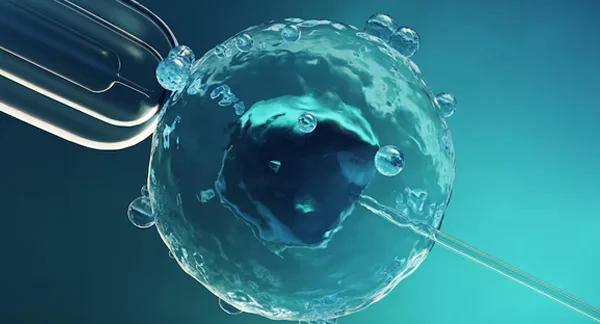
Intracytoplasmic Sperm Injection (ICSI)
A single sperm is directly injected into an egg to assist fertilization.
ICSI is commonly used when male infertility factors are present.
Step 7: Embryo Development
After fertilization, embryos are monitored closely in advanced laboratory incubators.
Embryologists evaluate:
- Cell division
- Embryo growth
- Development quality
Only the healthiest embryos are selected for transfer.
Step 8: Embryo Transfer
Embryo transfer is a simple and generally painless procedure.
Procedure
- A thin catheter is inserted through the cervix.
- Selected embryos are placed into the uterus.
- The procedure usually takes only a few minutes.
No anesthesia is typically required.
After transfer, patients can usually return home shortly afterward.
Step 9: Pregnancy Testing
Approximately two weeks after embryo transfer, a blood test is performed to determine whether implantation and pregnancy have occurred.
This waiting period is often one of the most emotionally significant phases of the IVF journey.
Benefits of IVF
IVF offers several advantages for individuals struggling with infertility.
Effective Fertility Treatment
IVF provides an opportunity for pregnancy when natural conception is difficult.
Treatment for Multiple Causes of Infertility
It can address both male and female fertility issues.
Embryo Selection
Healthy embryos can be selected before transfer.
Fertility Preservation Options
Eggs, sperm, and embryos may be cryopreserved for future use.
Genetic Testing Possibilities
Certain genetic conditions may be evaluated before embryo transfer when medically indicated.
Family Building Opportunities
IVF has helped millions of families achieve parenthood.
Success Rates of IVF
IVF success rates depend on several factors.
Maternal Age
Younger women generally have higher success rates.
Egg Quality
Healthy eggs improve embryo development.
Sperm Quality
Good sperm quality supports successful fertilization.
Uterine Health
A healthy uterine environment is important for implantation.
Embryo Quality
High-quality embryos improve pregnancy outcomes.
Success rates vary among individuals, and fertility specialists provide personalized counseling based on each patient's circumstances.
Risks of IVF
Although IVF is generally considered safe, some risks may occur.
Ovarian Hyperstimulation Syndrome (OHSS)
Excessive ovarian response to fertility medications can occasionally occur.
Multiple Pregnancy
Transfer of more than one embryo may increase the likelihood of twins or higher-order pregnancies.
Ectopic Pregnancy
A pregnancy may rarely implant outside the uterus.
Miscarriage
As with natural conception, miscarriage remains possible.
Procedure-Related Risks
Minor bleeding, infection, or discomfort may occur after egg retrieval.
Modern IVF protocols are designed to minimize these risks whenever possible.
Side Effects During IVF Treatment
Temporary side effects may include:
- Bloating
- Mild abdominal discomfort
- Breast tenderness
- Mood changes
- Injection site irritation
- Fatigue
Most symptoms resolve after treatment is completed.
Recovery After IVF Procedures
After Egg Retrieval
Most women recover within one or two days.
After Embryo Transfer
Normal activities can often be resumed shortly afterward.
Patients should follow all instructions provided by their fertility specialist.
Lifestyle Tips During IVF
Healthy lifestyle choices can support fertility treatment.
Maintain a Balanced Diet
Nutritious foods support overall reproductive health.
Stay Hydrated
Adequate hydration is important throughout treatment.
Avoid Smoking and Alcohol
Lifestyle habits may influence fertility outcomes.
Manage Stress
Emotional well-being is an important part of fertility care.
Follow Medical Advice
Attend all appointments and follow medication schedules carefully.
Emotional Support During IVF
The IVF journey can involve emotional ups and downs.
Many couples benefit from:
- Fertility counseling
- Support groups
- Family support
- Professional guidance
Emotional care is an important component of comprehensive fertility treatment.
Why Choose BeatX Healthcare for IVF Treatment?
At BeatX Healthcare, we provide advanced fertility care with a patient-centered approach designed to maximize success and support every stage of your reproductive journey.
Our Advantages
- Experienced fertility specialists
- Advanced IVF laboratory facilities
- Personalized treatment plans
- Modern reproductive technology
- Comprehensive fertility evaluation
- Male and female infertility expertise
- Compassionate counseling and support
- High-quality embryology services
- Transparent treatment process
- Dedicated patient care team
Our goal is to help couples achieve their dream of parenthood through safe, effective, and evidence-based fertility treatment.
Frequently Asked Questions (FAQs)
1. What is IVF?
IVF (In Vitro Fertilization) is a fertility treatment in which eggs are fertilized with sperm in a laboratory before transferring embryos into the uterus.
2. Who may need IVF?
IVF may help individuals with blocked fallopian tubes, male infertility, endometriosis, ovulation disorders, unexplained infertility, or age-related fertility decline.
3. How long does the IVF process take?
A typical IVF cycle usually takes several weeks from ovarian stimulation to pregnancy testing.
4. Is IVF painful?
Most IVF procedures involve minimal discomfort. Egg retrieval is generally performed under sedation or anesthesia.
5. What is the success rate of IVF?
Success rates vary based on age, fertility diagnosis, egg quality, sperm quality, and embryo health.
6. What is embryo transfer?
Embryo transfer is the procedure in which selected embryos are placed into the uterus in hopes of achieving pregnancy.
7. Can IVF result in twins?
Yes. The chance of multiple pregnancy depends on the number of embryos transferred.
8. Are there risks associated with IVF?
Possible risks include ovarian hyperstimulation syndrome, multiple pregnancy, ectopic pregnancy, and miscarriage.
9. How soon can I return to normal activities?
Most patients resume routine activities shortly after egg retrieval and embryo transfer.
10. Can frozen embryos be used later?
Yes. Embryos can be cryopreserved and used in future treatment cycles.
11. Does IVF guarantee pregnancy?
No fertility treatment can guarantee pregnancy, but IVF offers one of the highest success rates among assisted reproductive technologies.
12. Why choose BeatX Healthcare for IVF treatment?
BeatX Healthcare offers experienced fertility specialists, advanced IVF laboratory facilities, personalized fertility treatment plans, comprehensive reproductive evaluations, modern technology, and compassionate support to help couples achieve successful pregnancy outcomes.