

Coronary Angioplasty
| Treatment Duration | Treatment Cost |
| 45 Minutes | ₹ 1,35,000 |
| 60 Minutes | ₹ 4,10,000 |
Coronary artery disease (CAD) is one of the most common causes of heart-related illnesses worldwide. It occurs when the coronary arteries, which supply oxygen-rich blood to the heart muscle, become narrowed or blocked due to the buildup of fatty deposits known as plaque. Reduced blood flow can lead to chest pain, shortness of breath, heart attacks, and other serious cardiovascular complications. One of the most effective minimally invasive treatments for restoring blood flow is Coronary Angioplasty, also known as Percutaneous Coronary Intervention (PCI).
Coronary angioplasty is a non-surgical procedure used to open narrowed or blocked coronary arteries and improve blood circulation to the heart. In many cases, a stent is placed during the procedure to help keep the artery open and reduce the risk of future blockage.
At BeatX Healthcare, our experienced interventional cardiologists provide advanced cardiac care using modern catheterization laboratories, state-of-the-art imaging technology, and evidence-based treatment protocols to ensure the best possible outcomes for patients with coronary artery disease.
What is Coronary Angioplasty?
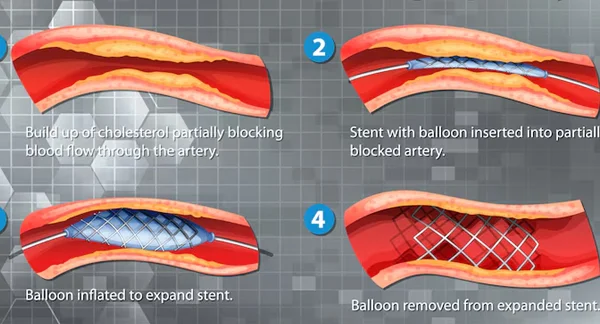
Coronary angioplasty is a minimally invasive procedure used to restore blood flow through narrowed or blocked coronary arteries.
During the procedure:
- A thin catheter is inserted through a blood vessel.
- The catheter is guided to the blocked coronary artery.
- A small balloon is inflated to widen the narrowed area.
- A stent is often placed to keep the artery open.
The procedure helps improve blood supply to the heart muscle and reduces symptoms caused by coronary artery disease.
Understanding Coronary Artery Disease
The heart requires a constant supply of oxygen-rich blood to function properly. This blood is delivered through the coronary arteries.
Over time, cholesterol, fat, calcium, and other substances can accumulate inside the artery walls, forming plaques.
This process, known as atherosclerosis, can cause:
- Narrowing of the arteries
- Reduced blood flow
- Chest pain (angina)
- Shortness of breath
- Heart attacks
- Heart muscle damage
When significant blockage is detected, angioplasty may be recommended to restore circulation.
Indications for Coronary Angioplasty
Coronary angioplasty is performed for several medical conditions affecting heart blood flow.
Stable Angina
Patients experiencing predictable chest pain during physical activity may benefit from angioplasty.
Unstable Angina
Worsening chest pain that occurs unexpectedly may require urgent treatment.
Acute Heart Attack (Myocardial Infarction)
Emergency angioplasty can quickly restore blood flow and reduce heart muscle damage.
Significant Coronary Artery Blockage
Severe narrowing detected during coronary angiography may require intervention.
Failed Medical Management
Patients whose symptoms persist despite medications may be candidates for angioplasty.
Restenosis
Previously treated arteries that become narrowed again may require repeat intervention.
Symptoms That May Require Evaluation
Patients with coronary artery disease may experience:
- Chest pain or pressure
- Shortness of breath
- Fatigue
- Pain radiating to the neck, jaw, shoulder, or arm
- Dizziness
- Sweating
- Reduced exercise capacity
- Symptoms of a heart attack
Immediate medical attention is necessary for severe or sudden symptoms.
Diagnosis Before Angioplasty
Before recommending angioplasty, cardiologists perform a comprehensive cardiac evaluation.
Electrocardiogram (ECG)
Records the electrical activity of the heart.
Echocardiography
Evaluates heart structure and pumping function.
Stress Testing
Assesses blood flow during physical exertion.
CT Coronary Angiography
Provides detailed images of coronary arteries.
Coronary Angiography
The gold standard investigation used to identify and assess arterial blockages.
Blood Tests
Help evaluate overall health and cardiac risk factors.
What is a Coronary Stent?
A stent is a small mesh-like tube placed inside the artery during angioplasty.
The stent:
- Supports the artery wall
- Maintains blood flow
- Prevents artery collapse
- Reduces the risk of future narrowing
Most angioplasty procedures today involve stent placement.
Types of Coronary Stents
Drug-Eluting Stents (DES)
These stents release medication that reduces the risk of re-blockage and are commonly used.
Bare-Metal Stents (BMS)
These provide mechanical support without medication coating.
The choice of stent depends on the patient's condition and clinical requirements.
Coronary Angioplasty Procedure
Coronary angioplasty is usually performed in a specialized cardiac catheterization laboratory.
Step 1: Preparation
The patient receives medications and local anesthesia at the catheter insertion site.
Step 2: Catheter Insertion
A catheter is inserted through a blood vessel in the wrist or groin.
Step 3: Guiding the Catheter
The catheter is carefully advanced to the coronary arteries using real-time imaging.
Step 4: Identifying the Blockage
Contrast dye is injected to visualize the narrowed artery.
Step 5: Balloon Inflation
A tiny balloon is inflated at the blockage site to widen the artery.
Step 6: Stent Placement
A stent is deployed to keep the artery open.
Step 7: Completion
The balloon and catheter are removed, and blood flow is reassessed.
The procedure generally takes between 30 minutes and two hours, depending on complexity.
Benefits of Coronary Angioplasty
Coronary angioplasty offers several significant benefits.
Restores Blood Flow
Improves circulation to the heart muscle.
Relieves Chest Pain
Many patients experience immediate symptom improvement.
Reduces Heart Attack Damage
Emergency angioplasty can limit permanent heart muscle injury.
Minimally Invasive
No large surgical incision is required.
Faster Recovery
Recovery is generally quicker than open-heart surgery.
Improved Exercise Capacity
Patients often regain stamina and physical endurance.
Better Quality of Life
Improved heart function enhances daily activities.
Short Hospital Stay
Many patients are discharged within one or two days.
Advantages Over Open-Heart Surgery
For selected patients, angioplasty provides several advantages.
No Major Incision
The procedure uses a small puncture site.
Less Pain
Patients typically experience minimal discomfort.
Reduced Hospitalization
Hospital stays are shorter compared to bypass surgery.
Faster Return to Daily Activities
Most patients recover quickly.
Lower Immediate Surgical Risk
Certain high-risk patients may benefit from a minimally invasive approach.
However, not all patients are candidates for angioplasty, and some may benefit more from bypass surgery.
Recovery After Coronary Angioplasty
Recovery is generally rapid and uncomplicated.
First 24 Hours
Patients are monitored for:
- Blood pressure stability
- Heart rhythm
- Bleeding at the catheter site
- Chest discomfort
First Week
Most patients can:
- Walk comfortably
- Resume light daily activities
- Follow prescribed medications
One to Two Weeks
Many individuals return to work and routine activities depending on their condition and physician's advice.
Post-Procedure Care
Proper care is important for long-term success.
Take Prescribed Medications
Blood-thinning medications help prevent clot formation within the stent.
Follow a Heart-Healthy Diet
Nutritious eating supports cardiovascular health.
Exercise Regularly
Physical activity improves overall heart function.
Control Blood Pressure
Maintain healthy blood pressure levels.
Manage Cholesterol
Regular monitoring and treatment are important.
Quit Smoking
Smoking significantly increases cardiovascular risk.
Attend Follow-Up Appointments
Regular evaluations ensure continued heart health.
Risks of Coronary Angioplasty
Although angioplasty is considered safe, potential risks include:
- Bleeding at the catheter site
- Blood vessel injury
- Allergic reaction to contrast dye
- Infection
- Irregular heartbeat
- Blood clot formation
- Restenosis (re-narrowing of the artery)
- Heart attack
- Stroke
- Kidney complications (rare)
The overall risk depends on the patient's age, overall health, and severity of heart disease.
Side Effects After Angioplasty
Temporary side effects may include:
Mild Bruising
Common at the catheter insertion site.
Tenderness
Minor soreness may occur for a few days.
Fatigue
Some patients feel tired initially.
Temporary Chest Discomfort
Mild symptoms may occur as the artery heals.
Most side effects improve quickly without complications.
Results of Coronary Angioplasty
Coronary angioplasty provides excellent outcomes for many patients.
Potential results include:
- Improved blood flow
- Reduced chest pain
- Better exercise tolerance
- Improved heart function
- Reduced heart attack risk
- Enhanced quality of life
Long-term success depends on medication adherence and healthy lifestyle choices.
Lifestyle Changes After Angioplasty
The procedure treats existing blockages but does not cure coronary artery disease.
To protect heart health:
Eat a Balanced Diet
Focus on fruits, vegetables, whole grains, and lean proteins.
Stay Physically Active
Exercise supports cardiovascular fitness.
Maintain Healthy Weight
Weight management reduces cardiac risk factors.
Control Diabetes
Healthy blood sugar levels protect blood vessels.
Manage Stress
Stress reduction supports overall well-being.
Avoid Tobacco Products
Smoking cessation is essential for long-term success.
Why Choose BeatX Healthcare for Coronary Angioplasty?
At BeatX Healthcare, we provide comprehensive cardiac care using advanced technology and evidence-based treatment strategies.
Our Advantages
- Experienced interventional cardiologists
- Advanced cardiac catheterization laboratory
- Modern diagnostic imaging
- Emergency cardiac care services
- Personalized treatment plans
- Comprehensive cardiac rehabilitation
- Dedicated nursing and critical care teams
- State-of-the-art cardiac facilities
- Patient-centered approach
- Long-term heart health support
Our goal is to provide safe, effective treatment and help patients achieve optimal cardiovascular health.
Frequently Asked Questions (FAQs)
1. What is coronary angioplasty?
Coronary angioplasty is a minimally invasive procedure used to open blocked or narrowed coronary arteries and improve blood flow to the heart.
2. Why is angioplasty performed?
It is performed to treat coronary artery disease, relieve chest pain, improve blood flow, and reduce heart attack risk.
3. What is a stent?
A stent is a small mesh tube placed inside an artery to keep it open after angioplasty.
4. Is angioplasty a surgery?
No. It is a minimally invasive catheter-based procedure and does not involve major surgery.
5. How long does the procedure take?
Most procedures take between 30 minutes and two hours.
6. Is angioplasty painful?
Patients generally experience minimal discomfort because local anesthesia is used.
7. How long is the hospital stay?
Many patients are discharged within one or two days, depending on their condition.
8. What are the risks of angioplasty?
Potential risks include bleeding, infection, blood clots, artery re-narrowing, heart attack, and stroke, although serious complications are uncommon.
9. Can blocked arteries return after angioplasty?
Yes. Although modern stents reduce the risk, re-narrowing can occur in some cases.
10. Will I need medications after angioplasty?
Yes. Blood-thinning medications and other heart medications are usually prescribed.
11. Can I return to normal activities after angioplasty?
Most patients return to routine activities within a few days to two weeks, depending on recovery.
12. Why choose BeatX Healthcare for coronary angioplasty?
BeatX Healthcare offers experienced interventional cardiologists, advanced catheterization facilities, modern cardiac diagnostics, personalized treatment plans, comprehensive rehabilitation programs, and dedicated cardiac care to ensure excellent treatment outcomes and long-term heart health.