

Heart Valve Replacement Surgery
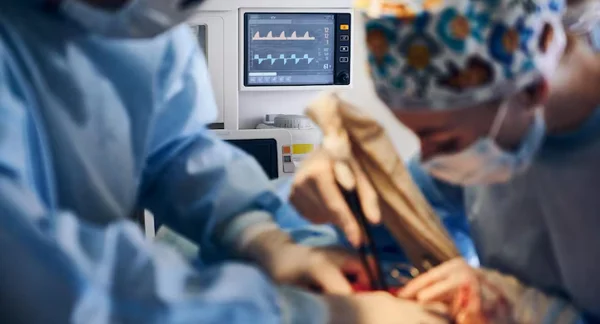
Heart Valve Replacement Surgery Starting from 1,30,000/-Rs.
Heart valve replacement surgery is a life-saving cardiac procedure performed to replace a damaged or diseased heart valve that is not functioning properly. The human heart contains four valves – the aortic, mitral, tricuspid, and pulmonary valves. These valves regulate blood flow through the heart and ensure that blood moves in the correct direction. When one or more valves become narrowed (stenosis) or leaky (regurgitation), the heart must work harder to pump blood, which can lead to serious complications if left untreated.
At BeatX Healthcare, our experienced cardiac specialists provide comprehensive diagnosis, treatment, and post-operative care for patients suffering from heart valve diseases. With advanced surgical techniques, modern operation theaters, and dedicated cardiac rehabilitation services, we strive to help patients regain a healthy and active life.
What Is Heart Valve Replacement Surgery?
Heart valve replacement surgery is a procedure in which a damaged heart valve is removed and replaced with an artificial valve. Depending on the patient's age, health condition, and type of valve disease, surgeons may use:
Mechanical Valves
These valves are made from durable materials such as carbon and metal. They can last for several decades but usually require lifelong blood-thinning medication to prevent clot formation.
Biological (Tissue) Valves
These valves are made from animal tissue (pig or cow) or donated human tissue. They generally do not require lifelong blood thinners but may need replacement after several years.
The goal of valve replacement surgery is to restore normal blood flow, reduce symptoms, improve heart function, and prevent life-threatening complications.
Conditions That May Require Heart Valve Replacement
Heart valve replacement may be recommended for patients suffering from:
- Severe aortic stenosis
- Aortic valve regurgitation
- Mitral valve stenosis
- Mitral valve regurgitation
- Congenital heart valve defects
- Rheumatic heart disease
- Infective endocarditis
- Calcified heart valves
- Degenerative valve disease
If medication and lifestyle modifications fail to control symptoms, surgery may become necessary.
Symptoms of Heart Valve Disease
Patients with severe heart valve problems may experience:
- Shortness of breath
- Chest pain or discomfort
- Fatigue and weakness
- Dizziness or fainting
- Irregular heartbeat
- Swelling in the legs and ankles
- Rapid weight gain due to fluid retention
- Difficulty exercising
- Heart palpitations
These symptoms often worsen over time and can significantly affect quality of life.
Diagnosis Before Heart Valve Surgery
Before recommending surgery, cardiologists perform a detailed evaluation, which may include:
Echocardiography
This ultrasound test helps assess valve function, blood flow, and heart structure.
Electrocardiogram (ECG)
Records the electrical activity of the heart and identifies rhythm abnormalities.
Chest X-Ray
Provides information about heart size and lung condition.
Cardiac CT Scan
Offers detailed images of the heart valves and surrounding structures.
Cardiac Catheterization
Helps evaluate blood flow and identify any blockages in the coronary arteries.
Blood Tests
Used to assess overall health and prepare for surgery.
These investigations help determine the severity of valve disease and the most suitable treatment approach.
Types of Heart Valve Replacement Procedures
Traditional Open-Heart Valve Replacement Surgery
This is the most common approach for severe valve disease. During the procedure:
- The patient is given general anesthesia.
- The surgeon makes an incision in the chest.
- The heart is temporarily connected to a heart-lung machine.
- The diseased valve is removed.
- A new mechanical or tissue valve is implanted.
- The heart is restarted and the incision is closed.
The surgery typically takes several hours and requires hospitalization for monitoring and recovery.
Minimally Invasive Valve Replacement
In selected patients, surgeons may perform valve replacement through smaller incisions, resulting in:
- Less pain
- Reduced blood loss
- Smaller scars
- Faster recovery
- Shorter hospital stay
Transcatheter Aortic Valve Replacement (TAVR)
TAVR is a minimally invasive procedure used primarily for aortic valve disease.
Instead of opening the chest, doctors insert a catheter through a blood vessel, usually in the groin, and guide a replacement valve to the heart. This option is particularly beneficial for elderly patients or those at high surgical risk.
Benefits of Heart Valve Replacement Surgery
Heart valve replacement offers several advantages, including:
Improved Blood Flow
The new valve restores proper circulation and reduces strain on the heart.
Relief from Symptoms
Most patients experience significant improvement in breathing, energy levels, and overall well-being.
Better Heart Function
Replacing the diseased valve helps improve cardiac performance.
Increased Life Expectancy
Timely treatment reduces the risk of heart failure and other serious complications.
Enhanced Quality of Life
Patients can often return to normal daily activities with improved physical endurance.
Prevention of Future Complications
The surgery helps prevent irreversible heart damage caused by prolonged valve dysfunction.
Risks and Complications
Like any major heart surgery, valve replacement carries certain risks, although serious complications are relatively uncommon when performed by experienced cardiac surgeons.
Potential risks include:
- Bleeding
- Infection
- Blood clots
- Stroke
- Irregular heart rhythms
- Valve malfunction
- Kidney complications
- Adverse reaction to anesthesia
- Heart attack
- Need for repeat surgery
Careful patient selection and advanced surgical techniques help minimize these risks.
Recovery After Heart Valve Replacement Surgery
Recovery varies depending on the patient's age, overall health, and type of procedure performed.
Hospital Stay
Most patients remain in the hospital for approximately 5 to 10 days after traditional surgery. Patients undergoing minimally invasive procedures may be discharged sooner.
Initial Recovery
During the first few weeks:
- Pain and discomfort gradually decrease.
- Walking and light activity are encouraged.
- Breathing exercises help improve lung function.
- Surgical wounds begin to heal.
Home Recovery
Patients should:
- Take medications exactly as prescribed.
- Avoid heavy lifting.
- Follow dietary recommendations.
- Attend scheduled follow-up appointments.
- Monitor for signs of infection or unusual symptoms.
Cardiac Rehabilitation
A structured rehabilitation program can help patients:
- Improve physical fitness
- Strengthen the heart
- Learn heart-healthy habits
- Reduce the risk of future cardiac problems
Return to Normal Activities
Most patients can resume routine daily activities within 6 to 12 weeks, depending on their recovery progress.
Lifestyle Changes After Valve Replacement
To ensure long-term success after surgery, patients should adopt heart-healthy habits such as:
- Eating a balanced diet
- Maintaining a healthy weight
- Exercising regularly
- Avoiding smoking and tobacco products
- Limiting alcohol consumption
- Managing stress effectively
- Monitoring blood pressure and cholesterol
- Taking prescribed medications consistently
These lifestyle modifications help protect the new valve and overall heart health.
Why Choose BeatX Healthcare for Heart Valve Replacement Surgery?
BeatX Healthcare is committed to providing advanced cardiac care with a patient-centered approach. Our team focuses on accurate diagnosis, personalized treatment planning, and comprehensive post-operative care.
Our Advantages
- Experienced cardiac surgeons
- Advanced diagnostic facilities
- Modern operation theaters
- Minimally invasive treatment options
- Comprehensive cardiac rehabilitation
- Personalized patient care
- High standards of safety and infection control
- Dedicated support throughout recovery
Our goal is to help patients achieve the best possible outcomes while ensuring comfort and confidence throughout their treatment journey.
Conclusion
Heart valve replacement surgery is a highly effective treatment for severe heart valve disease. Whether caused by aging, infection, congenital defects, or other cardiac conditions, a damaged heart valve can significantly affect heart function and quality of life. Replacing the diseased valve can restore normal blood flow, relieve symptoms, improve heart performance, and help patients return to a healthier, more active lifestyle.
At BeatX Healthcare, we combine advanced technology, experienced cardiac specialists, and compassionate care to provide comprehensive treatment for heart valve disorders. Early diagnosis and timely intervention can make a significant difference in long-term heart health and overall well-being.
Frequently Asked Questions (FAQs)
1. How long does heart valve replacement surgery take?
The procedure typically takes 3 to 6 hours, depending on the complexity of the case and the type of valve being replaced.
2. What is the success rate of heart valve replacement surgery?
Heart valve replacement has a high success rate when performed by experienced cardiac surgeons, with most patients experiencing significant improvement in symptoms and quality of life.
3. How long do replacement heart valves last?
Mechanical valves can last 20–30 years or more, while tissue valves generally last 10–20 years depending on the patient's age and health condition.
4. Will I need medications after surgery?
Yes. Patients may require blood thinners, heart medications, antibiotics, or other medications as recommended by their cardiologist.
5. When can I return to work after valve replacement surgery?
Many patients can return to office-based work within 6–12 weeks, although recovery times vary based on the type of surgery and individual health status.
6. Is heart valve replacement painful?
Patients are under general anesthesia during surgery. Some discomfort is expected during recovery, but pain is usually managed effectively with medications.
7. Can heart valve disease be treated without surgery?
Mild valve disease may be managed with medications and regular monitoring. However, severe valve dysfunction often requires surgical or transcatheter intervention.
8. What foods should I avoid after heart valve replacement?
Patients should limit high-salt, high-fat, and highly processed foods and follow a heart-healthy diet rich in fruits, vegetables, whole grains, and lean proteins.
9. Can elderly patients undergo heart valve replacement?
Yes. Many elderly patients successfully undergo valve replacement surgery, and minimally invasive options such as TAVR may be particularly suitable for high-risk individuals.
10. When should I consult a doctor for heart valve problems?
Seek medical attention if you experience persistent shortness of breath, chest pain, fatigue, dizziness, swelling in the legs, or irregular heartbeats. Early diagnosis can help prevent serious complications.