Sclerotherapy
Sclerotherapy Treatment Starting from 40,000/-Rs.
Sclerotherapy is a safe, effective, and minimally invasive procedure used to treat varicose veins and spider veins. These enlarged, twisted, or visible veins commonly appear on the legs and can cause discomfort, swelling, aching, and cosmetic concerns. Sclerotherapy involves injecting a specialized solution directly into the affected veins, causing them to collapse, seal shut, and gradually disappear over time.
At BeatX Healthcare, our vascular specialists provide advanced diagnosis and treatment for varicose veins using modern techniques and personalized care. Sclerotherapy is one of the most commonly performed vein treatments worldwide because it offers excellent results without major surgery, lengthy hospital stays, or extensive recovery periods.
What Is Sclerotherapy?
Sclerotherapy is a non-surgical procedure designed to eliminate damaged veins by injecting a medical solution known as a sclerosant into the affected blood vessel. The injected solution irritates the inner lining of the vein, causing it to collapse and eventually be absorbed by the body.
Once the treated vein closes, blood naturally reroutes through healthier veins, improving circulation and reducing symptoms.
Sclerotherapy is commonly used for:
- Spider veins
- Small varicose veins
- Reticular veins
- Venous insufficiency
- Cosmetic vein concerns
- Symptomatic varicose veins causing discomfort
The procedure is performed on an outpatient basis and typically requires no anesthesia.
Understanding Varicose and Spider Veins
What Are Varicose Veins?
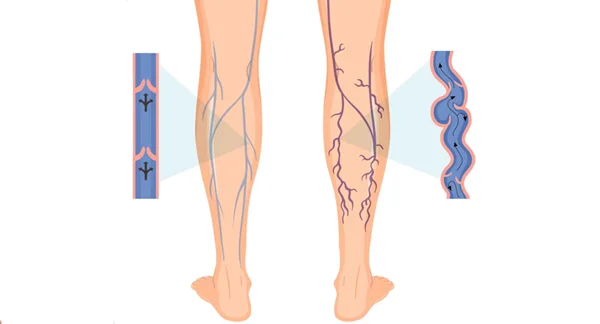
Varicose veins are enlarged, swollen, twisted veins that usually develop in the legs due to weakened or damaged vein valves. These faulty valves allow blood to pool inside the veins, causing them to enlarge.
What Are Spider Veins?
Spider veins are smaller red, blue, or purple blood vessels that appear close to the skin surface. They often resemble spider webs or tree branches and are primarily a cosmetic concern, although some patients may experience discomfort.
Causes of Varicose and Spider Veins
Several factors can contribute to the development of vein disorders, including:
- Aging
- Family history
- Obesity
- Pregnancy
- Hormonal changes
- Prolonged standing
- Sedentary lifestyle
- Lack of exercise
- Previous blood clots
- Occupations requiring long periods of standing or sitting
Women are generally more likely than men to develop varicose and spider veins.
Symptoms of Varicose Veins
Patients suffering from varicose veins may experience:
- Visible bulging veins
- Leg heaviness
- Aching pain
- Burning sensation
- Swelling in the legs and ankles
- Muscle cramps
- Itching around veins
- Skin discoloration
- Fatigue in the legs
- Restless legs
In severe cases, untreated varicose veins may lead to skin ulcers and chronic venous insufficiency.
Who Is a Candidate for Sclerotherapy?
Sclerotherapy may be recommended for individuals who:
- Have spider veins or small varicose veins
- Experience pain or discomfort from vein disease
- Want cosmetic improvement of visible veins
- Have venous insufficiency
- Are in generally good health
- Are not pregnant
- Do not have active blood clotting disorders
A detailed consultation and vascular assessment help determine whether sclerotherapy is the right treatment option.
Diagnosis Before Sclerotherapy
Before treatment, your vascular specialist may perform:
Physical Examination
The doctor evaluates the affected veins and symptoms.
Duplex Ultrasound
This imaging test helps assess blood flow and identify deeper vein problems.
Medical History Review
Your doctor will discuss previous treatments, medications, allergies, and overall health status.
A comprehensive evaluation ensures safe and effective treatment planning.
How Sclerotherapy Works
The treatment works by intentionally damaging the targeted vein's inner lining using a sclerosant solution.
Once injected:
- The vein wall becomes irritated.
- The vein collapses and seals shut.
- Blood flow is redirected to healthy veins.
- The treated vein gradually fades.
- The body naturally absorbs the closed vein over several weeks or months.
This process improves both symptoms and appearance.
Types of Sclerotherapy
Liquid Sclerotherapy
The traditional form of treatment where a liquid sclerosant is injected into small veins.
Foam Sclerotherapy
The sclerosant is mixed with air to create foam before injection. Foam fills larger veins more effectively and is often used for larger varicose veins.
Ultrasound-Guided Sclerotherapy
For deeper veins that cannot be easily seen, ultrasound imaging guides precise injection placement.
This technique improves treatment accuracy and effectiveness.
Sclerotherapy Procedure
Step 1: Preparation
The treatment area is cleaned, and the patient lies comfortably on an examination table.
Step 2: Injection
Using a fine needle, the doctor injects the sclerosant solution into the affected vein.
Step 3: Compression
Compression may be applied immediately after the injection to help the vein close properly.
Step 4: Walking
Patients are usually encouraged to walk shortly after the procedure to promote healthy blood circulation.
The entire treatment typically takes between 20 and 45 minutes, depending on the number and size of veins being treated.
Benefits of Sclerotherapy
Sclerotherapy offers numerous advantages compared to traditional surgery.
Minimally Invasive
No surgical incisions are required.
Effective Results
Most patients experience significant improvement in vein appearance and symptoms.
Quick Procedure
Treatment can often be completed within a single office visit.
Minimal Downtime
Patients can usually return to normal activities immediately.
Improved Circulation
Closing diseased veins helps improve blood flow through healthier vessels.
Cosmetic Enhancement
Visible veins fade significantly, improving the appearance of the legs.
Reduced Symptoms
Pain, swelling, heaviness, and discomfort are often greatly reduced.
Recovery After Sclerotherapy
Recovery is generally quick and uncomplicated.
Immediately After Treatment
Patients are encouraged to walk for 15–30 minutes after the procedure.
Compression Stockings
Your doctor may recommend wearing compression stockings for several days or weeks.
Activity Restrictions
Patients should avoid:
- Strenuous exercise
- Hot baths
- Saunas
- Excessive sun exposure
- Heavy lifting for a few days
Follow-Up Visits
Multiple treatment sessions may be necessary depending on the severity and extent of the vein disease.
Results of Sclerotherapy
Spider Veins
Most spider veins begin fading within 3 to 6 weeks.
Varicose Veins
Larger veins may take several months to fully improve.
Many patients notice:
- Smoother skin appearance
- Reduced pain
- Less swelling
- Improved confidence
- Better leg comfort
The treated veins typically do not return, although new veins may develop over time.
Potential Side Effects
Sclerotherapy is considered very safe when performed by experienced specialists.
Temporary side effects may include:
- Mild bruising
- Redness
- Swelling
- Tenderness
- Skin discoloration
- Small raised areas
These effects usually resolve within days or weeks.
Risks and Complications
Although rare, potential complications include:
- Allergic reactions
- Blood clots
- Skin ulceration
- Infection
- Persistent pigmentation
- Inflammation
- Nerve irritation
Choosing an experienced vascular specialist significantly reduces these risks.
Lifestyle Tips to Prevent Future Vein Problems
After treatment, maintaining healthy habits can help reduce the risk of developing new varicose veins.
Exercise Regularly
Walking and leg exercises improve circulation.
Maintain Healthy Weight
Excess weight places additional pressure on leg veins.
Avoid Prolonged Sitting or Standing
Take breaks to move around throughout the day.
Elevate Your Legs
Elevating the legs helps improve venous return.
Wear Compression Stockings
Compression garments support healthy blood flow.
Stay Hydrated
Proper hydration promotes vascular health.
Follow a Balanced Diet
A nutrient-rich diet supports vein strength and circulation.
Why Choose BeatX Healthcare for Sclerotherapy?
At BeatX Healthcare, we provide advanced vascular care using modern diagnostic and treatment techniques. Our specialists focus on delivering safe, effective, and personalized treatment plans for patients suffering from varicose and spider veins.
Our Advantages
- Experienced vascular specialists
- Comprehensive vein evaluation
- Advanced ultrasound diagnostics
- Minimally invasive procedures
- Personalized treatment plans
- Modern healthcare facilities
- Faster recovery protocols
- Patient-focused care
We are committed to helping patients achieve healthier legs, improved circulation, and enhanced confidence.
Conclusion
Sclerotherapy is one of the most effective and widely used treatments for varicose veins and spider veins. The procedure is minimally invasive, highly successful, and requires little downtime, making it an excellent option for both medical and cosmetic vein concerns. By closing damaged veins and redirecting blood through healthier vessels, sclerotherapy improves circulation, relieves symptoms, and enhances the appearance of the legs.
At BeatX Healthcare, our experienced vascular specialists provide comprehensive vein care using advanced techniques and individualized treatment plans. Early treatment can prevent complications and help patients enjoy long-lasting relief from vein-related symptoms.
Frequently Asked Questions (FAQs)
1. Is sclerotherapy painful?
Most patients experience only mild discomfort during the injections. The procedure is generally well tolerated and does not require anesthesia.
2. How many sclerotherapy sessions will I need?
The number of sessions depends on the size, number, and severity of the veins. Some patients achieve excellent results with one session, while others may need multiple treatments.
3. How long does a sclerotherapy procedure take?
A typical session lasts between 20 and 45 minutes, depending on the treatment area.
4. Can I walk after sclerotherapy?
Yes. Walking is encouraged immediately after treatment to promote healthy blood circulation and reduce the risk of complications.
5. When will I see results after sclerotherapy?
Spider veins usually improve within 3–6 weeks, while larger varicose veins may require several months for complete results.
6. Are the results permanent?
The treated veins typically do not return. However, new varicose or spider veins can develop over time if underlying risk factors remain.
7. Is sclerotherapy safe?
Yes. Sclerotherapy is considered a safe and effective treatment when performed by qualified vascular specialists.
8. Can sclerotherapy treat large varicose veins?
Foam sclerotherapy and ultrasound-guided sclerotherapy can effectively treat many larger varicose veins, although some patients may require alternative treatments.
9. Do I need hospitalization for sclerotherapy?
No. Sclerotherapy is an outpatient procedure, and patients usually return home the same day.
10. Who should avoid sclerotherapy?
Pregnant women, individuals with certain clotting disorders, active infections, or severe vascular conditions may not be suitable candidates. A specialist consultation is necessary to determine eligibility.