

Pacemaker Implantation Surgery
Pacemaker Implantation Surgery Starting from 80,000/-Rs.
Pacemaker implantation is a common and highly effective cardiac procedure used to treat abnormal heart rhythms, particularly slow heartbeats (bradycardia). A pacemaker is a small electronic device implanted under the skin of the chest to help regulate the heart's electrical activity and maintain a normal heartbeat. When the heart beats too slowly or irregularly, the pacemaker sends electrical impulses to stimulate the heart and ensure adequate blood flow throughout the body.
At BeatX Healthcare, our experienced cardiologists and cardiac surgeons provide advanced pacemaker implantation procedures using modern technology and personalized treatment plans. Our goal is to improve heart function, relieve symptoms, and help patients return to an active and healthy lifestyle.
What Is a Pacemaker?
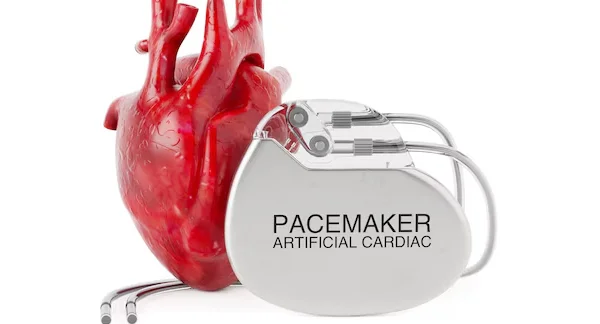
A pacemaker is a battery-powered medical device that helps control abnormal heart rhythms. It consists of:
Pulse Generator
The pulse generator contains the battery and electronic circuitry responsible for generating electrical signals.
Leads (Wires)
Thin insulated wires connect the pacemaker to the heart chambers and deliver electrical impulses when necessary.
Electrodes
Located at the ends of the leads, these electrodes monitor heart activity and stimulate the heart muscle when needed.
The pacemaker continuously monitors the heart's rhythm and automatically provides electrical stimulation whenever the heartbeat becomes too slow or irregular.
Why Is Pacemaker Implantation Needed?
The heart has a natural electrical system that controls its rhythm. When this system becomes damaged or weakened, the heart may beat too slowly or irregularly, causing symptoms and increasing the risk of complications.
Pacemaker implantation may be recommended for:
- Bradycardia (slow heart rate)
- Heart block
- Sick sinus syndrome
- Atrial fibrillation with slow ventricular response
- Congenital heart rhythm disorders
- Certain heart failure conditions
- Post-heart surgery rhythm abnormalities
- Fainting episodes caused by arrhythmias
A pacemaker helps restore a stable heart rhythm and improves overall cardiac function.
Symptoms That May Indicate the Need for a Pacemaker
Patients with abnormal heart rhythms may experience:
- Fatigue and weakness
- Dizziness
- Fainting (syncope)
- Shortness of breath
- Chest discomfort
- Reduced exercise tolerance
- Palpitations
- Confusion or memory problems
- Lightheadedness
- Frequent falls
If left untreated, severe rhythm disorders can lead to serious complications including heart failure or sudden cardiac arrest.
Types of Pacemakers
The type of pacemaker recommended depends on the patient's condition and the specific heart rhythm problem.
Single-Chamber Pacemaker
A single lead is placed in one chamber of the heart, usually the right ventricle.
Benefits:
- Simpler procedure
- Effective for specific rhythm disorders
- Shorter implantation time
Dual-Chamber Pacemaker
This device uses two leads—one in the right atrium and one in the right ventricle.
Benefits:
- Better coordination between heart chambers
- More natural heart rhythm
- Improved heart efficiency
Dual-chamber pacemakers are among the most commonly implanted devices.
Biventricular Pacemaker (Cardiac Resynchronization Therapy - CRT)
This specialized pacemaker uses three leads to coordinate contractions of both ventricles.
Benefits:
- Improves pumping efficiency
- Reduces heart failure symptoms
- Enhances quality of life
CRT devices are often used in patients with advanced heart failure.
Leadless Pacemaker
A newer technology, the leadless pacemaker is implanted directly inside the heart without traditional wires.
Benefits:
- Smaller size
- Reduced infection risk
- No visible chest scar
- Faster recovery
Not all patients are candidates for leadless pacemakers.
Diagnosis Before Pacemaker Implantation
Before recommending pacemaker surgery, cardiologists perform a detailed evaluation.
Electrocardiogram (ECG)
Measures the electrical activity of the heart and detects rhythm abnormalities.
Holter Monitoring
A portable ECG device worn for 24–48 hours to monitor heart rhythm continuously.
Event Recorder
Used for intermittent rhythm disturbances that occur less frequently.
Echocardiography
Evaluates heart structure and function.
Stress Testing
Assesses heart performance during physical activity.
Electrophysiology Studies
Specialized tests that analyze the heart's electrical system.
Blood Tests
Help identify underlying medical conditions and assess overall health.
These investigations help determine the need for pacemaker therapy and the most suitable device type.
Pacemaker Implantation Procedure
Pacemaker implantation is generally considered a minimally invasive procedure and usually takes 1 to 3 hours.
Step 1: Preparation
- The patient is admitted to the hospital.
- Blood tests and imaging studies are reviewed.
- The chest area is cleaned and prepared.
- Local anesthesia and mild sedation are administered.
Step 2: Incision
A small incision is made below the collarbone, usually on the left side of the chest.
Step 3: Lead Placement
Using X-ray guidance, the doctor inserts thin leads through a vein and carefully positions them inside the heart chambers.
Step 4: Device Placement
The pulse generator is placed beneath the skin in a small pocket created under the chest tissue.
Step 5: Testing
The pacemaker is tested to ensure proper functioning and optimal programming.
Step 6: Closure
The incision is closed with sutures, and a sterile dressing is applied.
Most patients remain awake but comfortable throughout the procedure.
Benefits of Pacemaker Implantation
Pacemaker therapy provides significant health and lifestyle benefits.
Restores Normal Heart Rhythm
The device maintains a stable and appropriate heart rate.
Relieves Symptoms
Many patients experience relief from dizziness, fatigue, fainting, and shortness of breath.
Improves Blood Circulation
A properly functioning heart delivers oxygen-rich blood more effectively throughout the body.
Enhances Quality of Life
Patients often regain energy and return to normal daily activities.
Reduces Hospitalizations
Pacemaker therapy helps prevent complications related to severe rhythm disorders.
Supports Long-Term Heart Health
Maintaining a normal rhythm reduces stress on the heart.
Risks and Complications
Pacemaker implantation is generally very safe, but like any medical procedure, it carries some risks.
Potential complications include:
- Bleeding
- Infection
- Blood vessel injury
- Lead displacement
- Pneumothorax (collapsed lung)
- Allergic reaction to medications
- Device malfunction
- Blood clots
- Heart perforation
- Swelling around the implant site
Most complications are uncommon and can be effectively managed when identified early.
Recovery After Pacemaker Implantation
Recovery is usually straightforward, and many patients return home within 24 hours.
First Few Days
Patients may experience:
- Mild discomfort at the incision site
- Bruising
- Swelling
- Temporary shoulder stiffness
Pain medications are prescribed if necessary.
Activity Restrictions
For several weeks after surgery:
- Avoid heavy lifting
- Avoid raising the implantation-side arm above shoulder level
- Avoid strenuous exercise
- Follow wound care instructions carefully
These precautions help prevent lead displacement.
Follow-Up Appointments
Regular follow-up visits allow doctors to:
- Check battery status
- Monitor device function
- Adjust pacemaker settings
- Evaluate overall heart health
Most modern pacemakers can also be monitored remotely.
Living with a Pacemaker
Most patients lead completely normal lives after pacemaker implantation.
Exercise Regularly
After recovery, moderate physical activity is encouraged.
Carry a Pacemaker Identification Card
Always keep your device information readily available.
Attend Regular Checkups
Routine monitoring ensures optimal device performance.
Follow Medication Instructions
Continue prescribed medications as directed.
Inform Healthcare Providers
Always tell doctors and dentists that you have a pacemaker before any procedure.
Maintain a Heart-Healthy Lifestyle
Healthy habits support long-term cardiovascular wellness.
Pacemaker Battery Life and Replacement
Pacemaker batteries typically last between 7 and 15 years, depending on the device type and usage.
When the battery begins to deplete:
- The device provides advance warning.
- Doctors schedule generator replacement.
- The procedure is generally simpler than the original implantation.
The existing leads often remain in place unless replacement is necessary.
Why Choose BeatX Healthcare for Pacemaker Implantation?
BeatX Healthcare offers comprehensive cardiac care supported by advanced technology and experienced specialists.
Our Advantages
- Skilled cardiologists and cardiac surgeons
- Advanced electrophysiology services
- State-of-the-art cardiac facilities
- Personalized treatment planning
- Modern pacemaker technologies
- Comprehensive post-operative care
- Regular device monitoring
- Patient-centered approach
We focus on delivering safe, effective, and long-lasting solutions for heart rhythm disorders.
Conclusion
Pacemaker implantation is a proven and highly effective treatment for patients with slow or abnormal heart rhythms. By restoring a healthy heartbeat, pacemakers help reduce symptoms, improve circulation, enhance quality of life, and prevent serious complications. Modern pacemakers are reliable, durable, and designed to support patients in leading active, fulfilling lives.
At BeatX Healthcare, our expert cardiac team provides advanced pacemaker implantation procedures with a strong emphasis on safety, precision, and personalized care. Early diagnosis and timely treatment can significantly improve long-term heart health and overall well-being.
Frequently Asked Questions (FAQs)
1. What is the purpose of a pacemaker?
A pacemaker helps regulate abnormal heart rhythms by sending electrical signals to maintain a normal heart rate.
2. Is pacemaker implantation a major surgery?
No. Pacemaker implantation is considered a minimally invasive procedure and is typically performed under local anesthesia with sedation.
3. How long does pacemaker surgery take?
The procedure generally takes between 1 and 3 hours, depending on the type of device being implanted.
4. How long does a pacemaker last?
Most pacemaker batteries last between 7 and 15 years before replacement is required.
5. Can I live a normal life with a pacemaker?
Yes. Most patients return to normal daily activities and enjoy significant improvements in their quality of life.
6. Will I feel the pacemaker working?
Most patients do not feel the electrical impulses generated by the pacemaker.
7. Is pacemaker implantation painful?
The procedure is usually performed under local anesthesia, and discomfort is generally minimal.
8. Can mobile phones affect a pacemaker?
Modern pacemakers are well protected, but it is recommended to keep mobile phones at least a few inches away from the implant site.
9. When can I return to work after pacemaker implantation?
Many patients return to work within one to four weeks, depending on their occupation and recovery progress.
10. What symptoms should prompt an immediate doctor visit after implantation?
Seek medical attention if you experience severe swelling, redness, fever, chest pain, shortness of breath, dizziness, or signs of infection around the implant site.