

ACL Reconstruction Surgery
ACL Reconstruction Surgery Starting from 45,000/-Rs.
ACL (Anterior Cruciate Ligament) Reconstruction Surgery is a commonly performed orthopedic procedure used to repair a torn ACL, one of the major ligaments that stabilize the knee joint. ACL injuries frequently occur during sports activities that involve sudden stops, jumping, pivoting, or changes in direction, such as football, basketball, cricket, badminton, and skiing. A torn ACL can lead to knee instability, pain, swelling, and difficulty performing everyday activities or sports.
At BeatX Healthcare, our orthopedic and sports injury specialists provide advanced ACL reconstruction procedures using minimally invasive arthroscopic techniques to restore knee stability, improve mobility, and help patients return to their active lifestyles.
What Is the ACL?
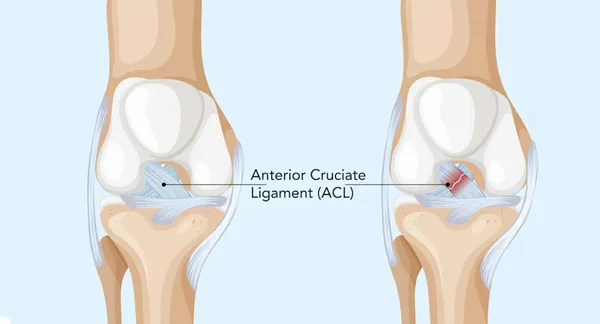
The Anterior Cruciate Ligament (ACL) is one of the four major ligaments of the knee. It connects the thigh bone (femur) to the shin bone (tibia) and plays a crucial role in:
- Stabilizing the knee joint
- Controlling forward movement of the tibia
- Preventing excessive knee rotation
- Supporting athletic movements such as running and jumping
When the ACL is torn, the knee may become unstable and prone to further injuries.
What Is ACL Reconstruction Surgery?
ACL reconstruction is a surgical procedure in which the damaged ligament is replaced with a tissue graft. Since a torn ACL usually cannot heal on its own, reconstruction is often recommended for active individuals, athletes, and patients experiencing significant knee instability.
The surgery is typically performed using arthroscopy, a minimally invasive technique that involves small incisions and specialized instruments.
The primary goals of ACL reconstruction are:
- Restore knee stability
- Relieve symptoms
- Prevent further knee damage
- Improve function and mobility
- Enable return to sports and physical activities
Causes of ACL Injuries
ACL tears commonly occur due to:
Sports Injuries
Sudden changes in direction, pivoting, and awkward landings can strain the ligament.
Direct Trauma
A collision or blow to the knee during sports or accidents can cause ligament rupture.
Sudden Stops
Rapid deceleration while running may overstress the ACL.
Incorrect Landing Technique
Landing improperly after a jump increases ACL injury risk.
Road Traffic Accidents
High-impact trauma can damage the knee ligaments.
Weak Muscles
Poor strength and conditioning may increase injury susceptibility.
Symptoms of an ACL Tear
Patients with ACL injuries often experience:
- A popping sensation at the time of injury
- Severe knee pain
- Rapid swelling
- Knee instability
- Difficulty walking
- Reduced range of motion
- Feeling that the knee may "give way"
- Difficulty participating in sports
- Tenderness around the joint
These symptoms should be evaluated promptly by an orthopedic specialist.
When Is ACL Reconstruction Recommended?
Surgery may be advised when:
- The ACL is completely torn
- The knee feels unstable during activities
- Multiple knee ligaments are injured
- Meniscus damage is present
- Conservative treatment fails
- The patient wishes to return to sports
- Repeated episodes of knee buckling occur
- Significant functional limitations exist
Not every ACL tear requires surgery; treatment depends on age, activity level, and severity of injury.
Diagnosis Before ACL Reconstruction
A thorough evaluation helps confirm the diagnosis and plan treatment.
Physical Examination
The orthopedic surgeon assesses knee stability, swelling, and range of motion.
MRI Scan
MRI provides detailed images of ligaments, cartilage, menisci, and surrounding tissues.
X-Rays
X-rays help rule out fractures and evaluate bone structures.
Arthroscopic Evaluation
In some cases, direct visualization of the knee may be performed.
These investigations help determine the extent of injury and identify associated damage.
Types of Grafts Used in ACL Reconstruction
The torn ACL is replaced with a graft that acts as a new ligament.
Patellar Tendon Autograft
Tissue is taken from the patient's own patellar tendon.
Advantages:
- Strong fixation
- Excellent long-term outcomes
- Commonly used in athletes
Hamstring Tendon Autograft
Tissue is harvested from the patient's hamstring tendons.
Advantages:
- Smaller incision
- Less post-operative pain
- Faster recovery of the front knee area
Quadriceps Tendon Autograft
A portion of the quadriceps tendon is used.
Advantages:
- Strong graft option
- Suitable for revision surgeries
Allograft
Donor tissue from a tissue bank is utilized.
Advantages:
- No graft harvesting pain
- Shorter surgery duration
This option is often considered for specific patient groups.
ACL Reconstruction Procedure
The surgery generally takes between 1 and 2 hours and is performed under regional or general anesthesia.
Step 1: Anesthesia
The patient receives anesthesia to ensure comfort during the procedure.
Step 2: Arthroscopic Access
Small incisions are made around the knee, and an arthroscope (tiny camera) is inserted.
Step 3: Removal of Torn ACL
The damaged ligament tissue is carefully removed.
Step 4: Graft Preparation
The selected graft is prepared and shaped appropriately.
Step 5: Bone Tunnel Creation
Small tunnels are drilled in the femur and tibia to position the graft.
Step 6: Graft Placement
The graft is inserted and secured using screws or fixation devices.
Step 7: Stability Testing
The surgeon checks the knee's stability and graft tension.
Step 8: Closure
The incisions are closed, and a sterile dressing is applied.
Most patients return home on the same day or after a short hospital stay.
Benefits of ACL Reconstruction Surgery
ACL reconstruction offers several significant advantages.
Restores Knee Stability
The reconstructed ligament helps stabilize the knee during movement.
Improves Mobility
Patients regain confidence in walking, running, and exercising.
Reduces Knee Giving-Way Episodes
The procedure minimizes instability and buckling.
Enables Return to Sports
Many athletes successfully return to their previous level of activity.
Prevents Further Damage
Stabilizing the knee reduces the risk of cartilage and meniscus injuries.
Enhances Quality of Life
Patients can resume daily activities with less pain and better function.
Risks and Complications
Although ACL reconstruction is generally safe, potential risks include:
- Infection
- Bleeding
- Blood clots
- Knee stiffness
- Graft failure
- Persistent instability
- Nerve injury
- Pain at graft harvest site
- Reduced range of motion
- Re-injury of the knee
Following post-operative instructions helps minimize complications.
Recovery After ACL Reconstruction
Recovery is gradual and requires dedication to rehabilitation.
Immediate Recovery
During the first few days:
- Swelling and discomfort are managed with medications.
- Ice therapy helps reduce inflammation.
- Crutches may be used temporarily.
Physical Therapy
Rehabilitation is essential for successful outcomes.
Therapy focuses on:
- Restoring motion
- Improving strength
- Enhancing balance
- Regaining flexibility
- Returning to sports safely
Recovery Timeline
First 2 Weeks
- Pain and swelling decrease.
- Gentle exercises begin.
1–3 Months
- Improved mobility and muscle strength.
- Increased weight-bearing activities.
4–6 Months
- Advanced strengthening and sport-specific training.
6–12 Months
- Return to competitive sports may be possible after clearance from the surgeon.
Recovery times vary among individuals.
Lifestyle and Rehabilitation Tips
For optimal results after ACL surgery:
- Attend all physiotherapy sessions
- Follow exercise recommendations
- Avoid high-impact activities until approved
- Maintain a healthy body weight
- Eat a balanced, protein-rich diet
- Wear supportive braces if advised
- Stay consistent with rehabilitation
Successful recovery depends heavily on commitment to physiotherapy.
Why Choose BeatX Healthcare for ACL Reconstruction Surgery?
BeatX Healthcare offers comprehensive orthopedic and sports injury care using advanced arthroscopic techniques.
Our Advantages
- Experienced orthopedic surgeons
- Sports injury specialists
- Advanced arthroscopic technology
- Personalized rehabilitation programs
- State-of-the-art facilities
- Comprehensive physiotherapy support
- Minimally invasive procedures
- Patient-focused care
We are dedicated to helping patients regain knee strength, stability, and confidence.
Conclusion
ACL Reconstruction Surgery is one of the most successful orthopedic procedures for restoring knee stability and function after an ACL tear. Using advanced arthroscopic techniques and modern rehabilitation programs, patients can achieve excellent outcomes and return to active lifestyles. Early diagnosis, timely treatment, and structured physiotherapy play crucial roles in long-term success.
At BeatX Healthcare, our orthopedic experts provide comprehensive ACL injury management, from diagnosis and surgery to rehabilitation and recovery. With expert care and personalized treatment plans, patients can safely return to work, sports, and daily activities with improved knee performance and confidence.
Frequently Asked Questions (FAQs)
1. What is ACL reconstruction surgery?
ACL reconstruction is a procedure that replaces a torn anterior cruciate ligament with a tendon graft to restore knee stability.
2. How long does ACL surgery take?
The procedure usually takes about 1 to 2 hours, depending on the complexity of the injury.
3. Is ACL reconstruction painful?
The surgery is performed under anesthesia. Some discomfort is expected during recovery, but pain is managed with medications and rehabilitation.
4. How long is recovery after ACL reconstruction?
Most patients recover within 6 to 12 months, depending on rehabilitation progress and activity goals.
5. Can I walk after ACL surgery?
Yes. Walking with assistance and guided rehabilitation typically begins shortly after surgery.
6. Will I need physiotherapy?
Yes. Physiotherapy is essential for restoring strength, flexibility, balance, and knee function.
7. Can athletes return to sports after ACL reconstruction?
Many athletes successfully return to sports after completing rehabilitation and receiving medical clearance.
8. What happens if a torn ACL is not treated?
Untreated ACL injuries can lead to chronic instability, meniscus damage, cartilage wear, and early arthritis.
9. Is ACL reconstruction a minimally invasive procedure?
Yes. Most ACL surgeries are performed arthroscopically through small incisions.
10. What is the success rate of ACL reconstruction?
ACL reconstruction has a high success rate, with most patients achieving improved stability, function, and return to normal activities when rehabilitation is properly followed.