

Total Hip Replacement
Total Hip Replacement Surgery Starting from 80,000/-Rs.
Total Hip Replacement (THR), also known as Total Hip Arthroplasty, is a highly successful orthopedic surgical procedure in which a damaged hip joint is replaced with an artificial implant (prosthesis). This surgery is usually recommended for patients suffering from severe hip pain, stiffness, and reduced mobility due to arthritis, fractures, or degenerative joint diseases.
At BeatX Healthcare, our experienced orthopedic surgeons specialize in advanced hip replacement techniques using modern implants and minimally invasive approaches. The goal is to relieve pain, restore mobility, and improve the overall quality of life for patients who have difficulty performing daily activities due to hip joint damage.
What Is the Hip Joint?
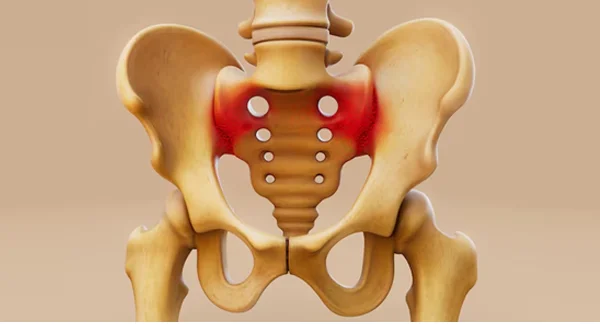
The hip is a ball-and-socket joint formed by:
- Femoral head (ball): Upper part of the thigh bone
- Acetabulum (socket): Part of the pelvic bone
In a healthy hip, smooth cartilage allows painless movement. When this cartilage wears away, bones rub against each other, causing pain, stiffness, and inflammation.
What Is Total Hip Replacement?
Total Hip Replacement surgery involves removing the damaged bone and cartilage from the hip joint and replacing them with artificial components:
- A metal or ceramic ball replaces the femoral head
- A metal socket (with plastic or ceramic lining) replaces the acetabulum
This artificial joint restores smooth movement and eliminates pain caused by bone friction.
Conditions That Require Hip Replacement
Hip replacement surgery is recommended when conservative treatments fail. Common conditions include:
- Osteoarthritis of the hip
- Rheumatoid arthritis
- Avascular necrosis (loss of blood supply to bone)
- Hip fractures (especially in elderly patients)
- Congenital hip deformities
- Post-traumatic arthritis
- Severe cartilage degeneration
- Chronic hip pain affecting daily life
Symptoms of Severe Hip Joint Damage
Patients who may need hip replacement often experience:
- Persistent hip pain
- Pain while walking or standing
- Difficulty bending or sitting cross-legged
- Stiffness in the hip joint
- Reduced range of motion
- Limping while walking
- Pain that worsens at night
- Difficulty climbing stairs
- Dependence on pain medications
When these symptoms interfere with normal life, surgery may be required.
Diagnosis Before Hip Replacement Surgery
Before recommending surgery, doctors perform a detailed evaluation:
X-Ray of Hip
Shows joint space narrowing and bone damage.
MRI Scan
Helps assess cartilage, bone condition, and soft tissues.
Blood Tests
Rule out infection and assess overall health.
Physical Examination
Evaluates pain level, mobility, and walking pattern.
These tests help determine whether total hip replacement is necessary.
Types of Hip Replacement Surgery
1. Total Hip Replacement (THR)
Entire hip joint (ball and socket) is replaced.
2. Partial Hip Replacement
Only the femoral head is replaced (usually in fracture cases).
3. Minimally Invasive Hip Replacement
Smaller incisions, less muscle damage, faster recovery.
4. Revision Hip Replacement
Performed when an old hip implant wears out or fails.
Hip Replacement Implants
Modern hip implants are designed for durability and smooth movement:
- Metal-on-plastic
- Ceramic-on-ceramic
- Metal-on-metal (less commonly used now)
Materials are selected based on age, activity level, and medical condition.
Total Hip Replacement Surgery Procedure
Hip replacement is performed under spinal or general anesthesia and typically takes 1–2 hours.
Step 1: Anesthesia
Patient is made comfortable and pain-free.
Step 2: Incision
A surgical cut is made over the hip area.
Step 3: Removal of Damaged Bone
The diseased femoral head is removed.
Step 4: Socket Preparation
The damaged socket is cleaned and reshaped.
Step 5: Implant Placement
Artificial socket and femoral ball are inserted.
Step 6: Joint Alignment
The surgeon ensures proper fit and movement.
Step 7: Closure
Muscles and skin are stitched, and dressing is applied.
Benefits of Total Hip Replacement
Total hip replacement provides long-lasting relief and improved quality of life.
Pain Relief
Eliminates chronic hip pain caused by arthritis or damage.
Improved Mobility
Restores walking, bending, and sitting ability.
Better Quality of Life
Allows patients to return to daily activities.
Long-Term Solution
Modern implants can last 15–25 years or more.
Increased Independence
Reduces dependence on others for movement.
Improved Sleep
Relieves night pain and discomfort.
Risks and Complications
Although safe, hip replacement may involve certain risks:
- Infection
- Blood clots
- Dislocation of hip joint
- Implant loosening
- Leg length difference
- Nerve injury
- Bleeding
- Stiffness
These risks are rare and minimized with proper care and surgical expertise.
Recovery After Total Hip Replacement
Recovery is gradual and depends on patient health and rehabilitation.
Hospital Stay
Usually 3–5 days after surgery.
First Week
- Pain controlled with medications
- Walking with support begins
- Physiotherapy starts early
2–6 Weeks
- Gradual increase in walking distance
- Reduced swelling and pain
- Improved mobility
6–12 Weeks
- Most daily activities resume
- Walking without support possible
3–6 Months
- Full recovery in most patients
- Return to normal lifestyle
Physiotherapy After Hip Replacement
Rehabilitation is very important for successful recovery.
Physiotherapy helps to:
- Strengthen hip muscles
- Improve flexibility
- Restore balance
- Prevent stiffness
- Enhance walking ability
Lifestyle Tips After Hip Replacement
To ensure long-term success:
- Avoid crossing legs initially
- Do regular physiotherapy exercises
- Maintain healthy body weight
- Avoid high-impact activities
- Use proper sitting posture
- Follow doctor’s instructions
- Attend follow-up visits
When to Contact a Doctor After Surgery
Seek medical attention if you notice:
- Severe pain not improving
- Swelling or redness
- Fever or infection signs
- Difficulty walking
- Sudden leg shortening or deformity
Why Choose BeatX Healthcare for Hip Replacement?
At BeatX Healthcare, we provide advanced orthopedic care with a patient-first approach.
Our Strengths:
- Experienced orthopedic surgeons
- Advanced surgical techniques
- Modern operation theaters
- Minimally invasive procedures
- Personalized rehabilitation programs
- High-quality implants
- Comprehensive post-operative care
We focus on restoring mobility, independence, and confidence in every patient.
Conclusion
Total Hip Replacement surgery is one of the most effective treatments for severe hip joint damage. It helps relieve pain, restore movement, and improve quality of life significantly. With modern surgical techniques and advanced implants, patients can expect long-lasting and successful outcomes.
At BeatX Healthcare, our orthopedic experts ensure safe, precise, and personalized hip replacement treatment with complete care from diagnosis to recovery.
Frequently Asked Questions (FAQs)
1. What is total hip replacement surgery?
It is a procedure where the damaged hip joint is replaced with an artificial implant to relieve pain and improve mobility.
2. How long does hip replacement surgery take?
The surgery usually takes about 1 to 2 hours.
3. Is hip replacement a major surgery?
Yes, but it is a highly safe and commonly performed orthopedic procedure.
4. How long does recovery take?
Most patients recover within 3 to 6 months.
5. Can I walk after hip replacement surgery?
Yes, walking with support usually starts within 1–2 days after surgery.
6. How long do hip implants last?
Modern implants can last 15 to 25 years or longer.
7. Is hip replacement painful?
Pain is managed with medications and gradually reduces during recovery.
8. Can I climb stairs after surgery?
Yes, but only after proper rehabilitation and medical advice.
9. What activities should be avoided after surgery?
Avoid high-impact sports, heavy lifting, and improper sitting positions initially.
10. Is physiotherapy necessary after hip replacement?
Yes, it is essential for strength, mobility, and full recovery.