

Tennis Elbow Release Surgery
Tennis Elbow Release Surgery Starting from 60,000/-Rs.
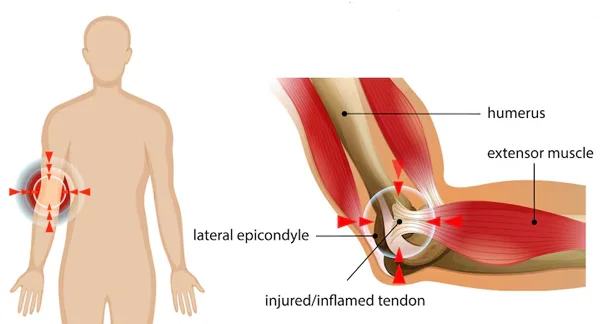
Tennis elbow release surgery is a medical procedure used to treat lateral epicondylitis, a condition caused by repetitive strain and micro-tears in the tendons that attach to the outer side of the elbow. When pain persists for many months despite medications, physiotherapy, braces, and injections, surgery may be recommended to remove damaged tendon tissue and restore function.
At Beatx Healthcare, tennis elbow release surgery is performed using advanced techniques that aim to reduce pain, improve arm strength, and help patients return to daily activities with better mobility.
What is Tennis Elbow Release Surgery?
Tennis elbow release surgery focuses on treating the damaged portion of the tendon, most commonly the extensor carpi radialis brevis (ECRB) tendon.
During the procedure, the surgeon:
- Removes degenerative or damaged tendon tissue (debridement)
- Releases tight or inflamed tendon attachments
- Repairs or reattaches healthy tendon tissue to bone if required
- Clears any small scar tissue or bone irritation
This surgery can be done through:
- Open surgery (small incision over the elbow)
- Arthroscopic surgery (camera-assisted, minimally invasive)
- Percutaneous technique (small needle-based approach)
The goal is to reduce chronic inflammation and allow healthy tissue to heal properly.
When is Surgery Recommended?
Tennis elbow release surgery is usually considered only when:
- Pain persists for 6–12 months or more
- Conservative treatments (physiotherapy, rest, medications) fail
- Daily activities like lifting, gripping, or typing become difficult
- Steroid or PRP injections provide only temporary relief
- Imaging confirms tendon degeneration or partial tear
Most patients do not need surgery, but for long-standing or severe cases, it becomes an effective solution.
Procedure of Tennis Elbow Surgery
The surgery is typically done as a day-care procedure, meaning the patient can return home the same day.
Steps involved:
- Anaesthesia – Regional or general anaesthesia is given for a pain-free procedure
- Incision – A small cut is made over the outer elbow
- Tendon examination – Damaged tendon tissue is identified
- Debridement – Diseased tissue is removed carefully
- Release or repair – Tight tendon attachments may be released or repaired
- Closure – The incision is closed with stitches and bandaged
After surgery, the arm is usually placed in a sling or splint for initial protection.
Recovery After Tennis Elbow Release Surgery
Recovery is gradual and depends on the severity of the condition and the type of surgery performed.
First 1–2 Weeks:
- Arm is kept in a sling for support
- Swelling and mild pain are normal
- Dressing care and wound protection are important
- Pain medications are prescribed as needed
2–6 Weeks:
- Stitches are removed
- Gentle movement exercises begin
- Physiotherapy is started to prevent stiffness
- Light daily activities may resume
6–12 Weeks:
- Strengthening exercises for forearm muscles
- Gradual improvement in grip strength
- Return to office work or light tasks
3–6 Months:
- Most patients regain near-full function
- Return to sports or heavy activities with medical approval
Full recovery depends heavily on physiotherapy and rehabilitation compliance.
Benefits of Tennis Elbow Surgery
- Long-term relief from chronic elbow pain
- Improved grip strength and arm function
- Better ability to perform daily activities
- Reduced dependency on pain medications
- Higher success rate when conservative treatment fails
Risks and Complications
Although generally safe, tennis elbow release surgery carries some risks:
- Infection at the surgical site
- Persistent or recurring pain
- Nerve irritation or injury (rare)
- Elbow stiffness or reduced mobility
- Scar tenderness
- Weakness in wrist or grip strength
- Delayed healing in some cases
Proper surgical technique and structured rehabilitation significantly reduce these risks.
Post-Surgery Rehabilitation Importance
Physiotherapy is a crucial part of recovery. Without proper rehabilitation, results may not be optimal.
Rehabilitation includes:
- Gentle stretching exercises
- Wrist and forearm strengthening
- Grip training
- Gradual return to activity
- Ergonomic correction to prevent recurrence
Why Choose Beatx Healthcare?
At Beatx Healthcare, we focus on:
- Experienced orthopedic specialists
- Advanced minimally invasive surgical options
- Personalized rehabilitation plans
- Safe, infection-controlled surgical environment
- Complete pre and post-operative care
Our goal is to ensure faster recovery, less pain, and long-term functional improvement.
Frequently Asked Questions (FAQ)
1. Is tennis elbow surgery painful?
The surgery itself is not painful due to anaesthesia. Mild pain after surgery is normal and controlled with medications.
2. How long does recovery take?
Most patients recover in 3 to 6 months, depending on severity and physiotherapy.
3. Will I regain full arm strength?
Yes, with proper rehabilitation, most patients regain near-normal or full strength over time.
4. Is surgery necessary for all tennis elbow cases?
No. Surgery is only recommended when non-surgical treatments fail for 6–12 months.
5. Can tennis elbow return after surgery?
Recurrence is rare but possible if repetitive strain activities are not corrected.
6. When can I return to work?
Desk jobs may resume in 2–4 weeks, while physically demanding jobs may take longer.
Conclusion
Tennis elbow release surgery is an effective treatment option for patients suffering from long-term elbow pain that does not respond to conservative therapies. With modern surgical techniques and proper rehabilitation, patients can achieve significant pain relief and improved arm function.
At Beatx Healthcare, we are committed to providing safe, advanced, and patient-focused orthopedic care to help you return to an active, pain-free life.