
Shoulder Arthroscopy
Shoulder Arthroscopy Surgery Starting from 45,000/-Rs.
Shoulder arthroscopy is a minimally invasive surgical procedure used to diagnose and treat a wide range of shoulder joint problems. It is one of the most advanced orthopedic techniques that allows surgeons to operate through small incisions using a tiny camera called an arthroscope. This helps reduce pain, speeds up recovery, and minimizes complications compared to traditional open surgery.
At Beatx Healthcare, shoulder arthroscopy is performed using modern equipment and advanced surgical techniques to ensure accurate diagnosis, effective treatment, and faster return to normal shoulder function.
What is Shoulder Arthroscopy?
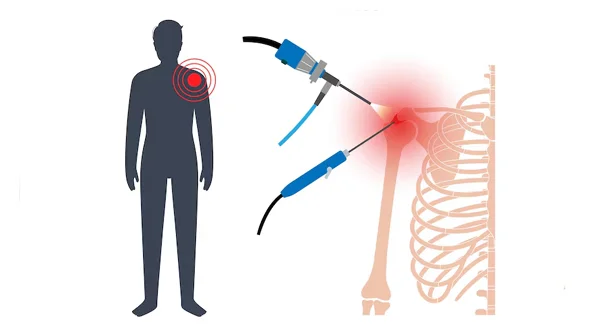
Shoulder arthroscopy is a keyhole surgery where a small camera (arthroscope) is inserted into the shoulder joint through a tiny incision. The camera displays high-definition images of the inside of the joint on a monitor, allowing the surgeon to clearly identify and treat the problem.
Unlike open surgery, this technique does not require large cuts, which means:
- Less tissue damage
- Reduced post-operative pain
- Faster healing
- Minimal scarring
It is commonly used for both diagnosis and treatment of shoulder conditions.
Conditions Treated with Shoulder Arthroscopy
Shoulder arthroscopy can be used to treat various shoulder disorders, including:
1. Rotator Cuff Tear
Repair of torn tendons that stabilize the shoulder joint.
2. Shoulder Impingement Syndrome
Relieving pressure on tendons caused by bone spurs or inflammation.
3. Frozen Shoulder (Adhesive Capsulitis)
Releasing tight joint capsules to improve mobility.
4. Shoulder Dislocation and Instability
Repairing torn ligaments that cause repeated dislocation.
5. Labral Tears
Fixing cartilage injuries in the shoulder socket (Bankart or SLAP tears).
6. Arthritis and Joint Debridement
Cleaning damaged tissue to reduce pain and improve movement.
7. Calcium Deposits Removal
Removing calcified deposits in tendons causing pain and stiffness.
Shoulder Arthroscopy Procedure
The procedure is usually performed under general or regional anaesthesia, ensuring the patient is comfortable and pain-free.
Step-by-Step Process:
1. Preparation
The shoulder area is cleaned and sterilized. The patient is positioned to allow easy access to the joint.
2. Small Incisions
2–3 small incisions (usually less than 1 cm each) are made around the shoulder.
3. Insertion of Arthroscope
A tiny camera (arthroscope) is inserted into the joint. It sends real-time images to a monitor.
4. Diagnosis and Treatment
Special surgical instruments are inserted through other small incisions to:
- Repair torn tendons or ligaments
- Remove inflamed tissue
- Smooth rough cartilage
- Treat bone spurs or calcium deposits
5. Closure
The incisions are closed with stitches or sterile strips and covered with a dressing.
The entire procedure usually takes 1 to 2 hours, depending on the complexity of the condition.
Benefits of Shoulder Arthroscopy
Shoulder arthroscopy offers several advantages compared to traditional open surgery:
1. Minimally Invasive
Smaller cuts mean less trauma to surrounding tissues.
2. Faster Recovery
Patients recover quicker and return to daily activities sooner.
3. Less Pain
Reduced post-operative pain due to minimal tissue damage.
4. Minimal Scarring
Small incisions leave almost invisible scars.
5. Accurate Diagnosis
Direct visualization of the joint ensures precise treatment.
6. Lower Risk of Infection
Smaller wounds reduce the chances of infection.
7. Short Hospital Stay
Most patients can go home the same day or within 24 hours.
Recovery After Shoulder Arthroscopy
Recovery depends on the type of procedure performed and the severity of the shoulder condition.
First Few Days:
- Mild pain, swelling, and stiffness are common
- Arm is usually supported in a sling
- Pain medications are prescribed
- Ice therapy may be recommended
First 2 Weeks:
- Sutures are removed
- Gentle movements begin under guidance
- Basic daily activities may resume with care
3 to 6 Weeks:
- Physiotherapy becomes more active
- Range-of-motion exercises are introduced
- Pain gradually reduces
6 Weeks to 3 Months:
- Strengthening exercises for shoulder muscles
- Gradual return to office work and light activities
3 to 6 Months:
- Full recovery for most patients
- Return to sports or heavy physical work (as advised by doctor)
Physiotherapy plays a crucial role in ensuring successful recovery and preventing stiffness.
Risks and Complications
Although shoulder arthroscopy is considered safe, like any surgical procedure, it carries some risks:
- Infection at the surgical site
- Shoulder stiffness or frozen shoulder
- Temporary swelling or pain
- Nerve injury (rare)
- Blood clots (very rare)
- Incomplete symptom relief in severe cases
- Re-tear of repaired tissues in some cases
Choosing an experienced orthopedic surgeon significantly reduces these risks.
Who Needs Shoulder Arthroscopy?
You may be a candidate for shoulder arthroscopy if you experience:
- Persistent shoulder pain for more than 3–6 months
- Difficulty lifting or rotating the arm
- Repeated shoulder dislocations
- Reduced range of motion
- Failure of physiotherapy and medications
- Sports-related shoulder injuries
A detailed clinical evaluation and imaging tests like MRI are usually recommended before surgery.
Rehabilitation After Shoulder Arthroscopy
Rehabilitation is essential for full recovery and includes:
- Guided physiotherapy sessions
- Shoulder mobility exercises
- Strength training for rotator cuff muscles
- Posture correction
- Gradual return to sports or heavy work
Skipping rehabilitation may lead to stiffness or incomplete recovery.
Why Choose Beatx Healthcare?
At Beatx Healthcare, we focus on delivering advanced orthopedic care with patient safety and comfort as top priorities.
We offer:
- Experienced orthopedic surgeons
- Advanced arthroscopy equipment
- Minimally invasive surgical techniques
- Personalized rehabilitation programs
- Comprehensive pre and post-operative care
- High success rates in shoulder surgeries
Our goal is to help patients achieve pain-free movement and improved quality of life.
Frequently Asked Questions (FAQ)
1. Is shoulder arthroscopy a major surgery?
No, it is a minimally invasive or keyhole surgery with small incisions and faster recovery.
2. How long does shoulder arthroscopy take?
It usually takes 1 to 2 hours, depending on the complexity of the condition.
3. Will I feel pain after surgery?
Mild to moderate pain is normal for a few days, which is managed with medications.
4. When can I return to work?
Desk jobs can usually be resumed within 1–2 weeks, while physical jobs may take longer.
5. Is physiotherapy necessary after surgery?
Yes, physiotherapy is essential for restoring strength, movement, and preventing stiffness.
6. Can shoulder arthroscopy fix all shoulder problems?
It can treat many conditions, but severe arthritis or complex cases may require different treatments.
Conclusion
Shoulder arthroscopy is a highly effective, minimally invasive surgical procedure for diagnosing and treating a wide range of shoulder problems. With reduced pain, faster recovery, and excellent outcomes, it has become the preferred choice for both patients and surgeons.
At Beatx Healthcare, we are committed to providing advanced orthopedic solutions that help patients regain shoulder strength, mobility, and confidence in their daily lives.