
Fracture Care Casting to Surgery Options
Fracture Care Casting to Surgery Starting from 1,20,000/-Rs.
Fracture care refers to the medical treatment of broken bones, ranging from simple non-surgical methods like casting and splinting to advanced surgical procedures such as internal fixation with plates, screws, or rods. The goal of fracture management is to ensure proper bone alignment, promote healing, restore function, and prevent long-term complications such as deformity or loss of mobility.
At Beatx Healthcare, fracture care is provided using a step-by-step, patient-centered approach that includes accurate diagnosis, appropriate immobilization, and advanced surgical intervention when required.
What is a Fracture?
A fracture is a break or crack in a bone caused by trauma, falls, accidents, sports injuries, or underlying conditions like osteoporosis. Fractures can vary in severity:
- Simple fracture: Bone breaks but does not pierce the skin
- Compound (open) fracture: Bone breaks and penetrates the skin
- Hairline fracture: Small crack in the bone
- Comminuted fracture: Bone breaks into multiple pieces
- Displaced fracture: Bone fragments move out of alignment
- Non-displaced fracture: Bone cracks but remains aligned
Proper and timely treatment is essential to ensure correct healing.
Symptoms of a Fracture
Common signs of a fracture include:
- Severe pain at the injury site
- Swelling and bruising
- Deformity or abnormal shape of the limb
- Inability to move or bear weight
- Tenderness on touch
- Cracking sound at the time of injury
- Open wound in severe cases
If any of these symptoms occur, immediate medical attention is required.
Diagnosis of Fractures
Before treatment, doctors perform a detailed evaluation:
1. Physical Examination
Assessment of pain, swelling, and deformity.
2. Imaging Tests
- X-rays: Primary tool to confirm fracture
- CT scan: Used for complex or joint fractures
- MRI: Helps evaluate soft tissue damage
Accurate diagnosis helps determine whether casting or surgery is required.
Fracture Treatment Options
Fracture management depends on the type, location, and severity of the injury. Treatment is broadly divided into non-surgical (conservative) and surgical methods.
1. Casting and Splinting (Non-Surgical Treatment)
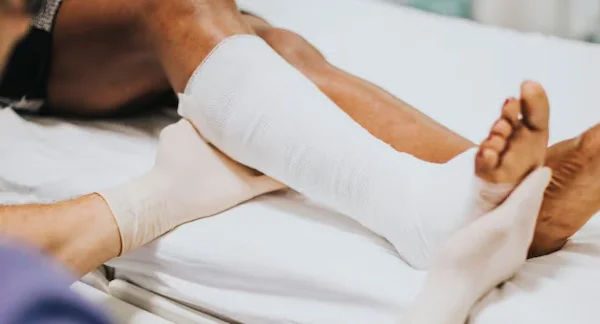
Casting is the most common treatment for stable and uncomplicated fractures.
What is Casting?
A cast is a hard protective shell made of plaster or fiberglass that keeps the broken bone in place while it heals.
Splinting
A splint is a partial support device used initially when swelling is expected or before applying a full cast.
Procedure:
- Bone is aligned manually if needed (reduction)
- A splint or cast is applied
- Immobilization is maintained for weeks
- Regular follow-up X-rays ensure proper healing
Types of Casts:
- Plaster cast
- Fiberglass cast
- Functional brace (in some cases)
Benefits of Casting:
- Non-invasive and painless procedure
- Cost-effective treatment
- Suitable for children and simple fractures
- No surgical risks
Limitations:
- Not suitable for complex or displaced fractures
- Requires long immobilization
- Risk of stiffness or muscle weakness
- Possible improper healing if alignment shifts
2. Closed Reduction (Manual Alignment)
In some fractures, bones are realigned without surgery.
Procedure:
- Local or general anaesthesia is given
- The doctor manually adjusts bone alignment
- A cast or splint is applied afterward
This is commonly used for:
- Wrist fractures
- Ankle fractures
- Simple long bone fractures
3. Surgical Treatment for Fractures
Surgery is recommended when bones are severely displaced, unstable, or involve joints.
Types of Fracture Surgery
1. Internal Fixation (Plates and Screws)
Metal plates and screws are used to hold bones in correct position.
- Common for long bone fractures
- Provides strong stability
- Allows early movement in many cases
2. Intramedullary Nailing
A metal rod is inserted inside the bone marrow cavity.
- Used for femur and tibia fractures
- Highly stable fixation
- Minimally invasive in many cases
3. External Fixation
A frame outside the body holds bones in place using pins.
- Used in open or infected fractures
- Temporary or long-term stabilization
- Useful in severe trauma cases
4. Bone Grafting
Used when bone loss occurs or healing is delayed.
- Bone tissue is added to stimulate healing
- Often combined with fixation surgery
Benefits of Surgical Treatment
- Proper alignment of complex fractures
- Faster bone healing in many cases
- Early mobility and rehabilitation
- Reduced risk of deformity
- Better outcomes in severe injuries
Fracture Recovery Process
Recovery depends on the type of fracture and treatment method.
Early Phase (0–2 Weeks)
- Pain and swelling control
- Immobilization using cast or surgery
- Rest and elevation of limb
Healing Phase (2–6 Weeks)
- Bone starts to heal
- Follow-up X-rays are taken
- Gradual reduction in pain
Rehabilitation Phase (6–12 Weeks)
- Cast removal (if applicable)
- Physiotherapy begins
- Muscle strengthening exercises
Full Recovery (3–6 Months)
- Return to normal activities
- Full bone strength restoration
- Sports or heavy work resumed gradually
Risks and Complications of Fracture Treatment
While fracture care is generally safe, complications may include:
- Delayed bone healing
- Improper alignment (malunion)
- Non-healing fracture (non-union)
- Infection (especially in open fractures or surgery)
- Stiffness in nearby joints
- Muscle weakness
- Blood clots (rare)
Proper treatment and follow-up reduce these risks significantly.
Importance of Physiotherapy in Fracture Care
Physiotherapy plays a crucial role after fracture healing:
- Restores joint movement
- Strengthens muscles
- Improves flexibility
- Prevents stiffness
- Helps return to normal activities faster
Skipping rehabilitation can lead to long-term mobility issues.
Why Choose Beatx Healthcare for Fracture Care?
At Beatx Healthcare, we provide comprehensive fracture management including:
- Emergency trauma care
- Advanced diagnostic imaging
- Expert orthopedic surgeons
- Both surgical and non-surgical treatment options
- Modern operation theatre facilities
- Personalized rehabilitation programs
- Focus on fast recovery and safe healing
Our approach ensures that every patient receives accurate diagnosis, appropriate treatment, and complete recovery support.
Frequently Asked Questions (FAQ)
1. How long does a fracture take to heal?
Most fractures heal in 6–12 weeks, depending on severity and bone type.
2. Is casting painful?
Casting itself is not painful, but initial injury pain may persist for a few days.
3. When is surgery required for a fracture?
Surgery is needed when bones are displaced, unstable, or involve joints.
4. Can I walk with a fracture?
It depends on the fracture location. Some fractures require complete rest, while others allow limited weight-bearing.
5. What happens if a fracture is not treated properly?
Improper treatment can lead to deformity, chronic pain, or loss of function.
6. Is physiotherapy necessary after fracture healing?
Yes, it is essential for restoring movement, strength, and flexibility.
Conclusion
Fracture care is a critical aspect of orthopedic treatment that ensures proper healing of broken bones and restoration of normal function. From simple casting to advanced surgical techniques, modern medicine offers highly effective solutions for all types of fractures.
At Beatx Healthcare, we are committed to providing advanced, safe, and personalized fracture care to help patients recover quickly and return to an active, pain-free life.