

Knee Replacement Surgery
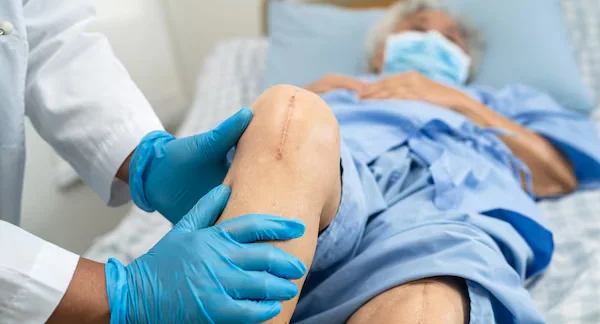
Knee Replacement Surgery Starting from 1,75,000/-Rs.
Knee replacement surgery, also known as knee arthroplasty, is a highly effective orthopedic procedure used to relieve severe knee pain and restore mobility in patients suffering from advanced knee joint damage. It is commonly recommended when medications, physiotherapy, injections, and lifestyle changes no longer provide relief.
At Beatx Healthcare, knee replacement surgery is performed using advanced surgical techniques and high-quality implants to ensure long-lasting results, reduced pain, and improved quality of life.
What is Knee Replacement Surgery?
Knee replacement surgery involves removing damaged or worn-out parts of the knee joint and replacing them with artificial components made of metal, ceramic, or high-grade medical plastic.
The knee joint consists of:
- Femur (thigh bone)
- Tibia (shin bone)
- Patella (kneecap)
When these surfaces become damaged due to arthritis or injury, movement becomes painful and restricted. Knee replacement restores smooth joint movement and reduces pain significantly.
Types of Knee Replacement Surgery
1. Total Knee Replacement (TKR)
In this procedure, the entire knee joint is replaced with artificial components. It is most commonly performed in severe arthritis cases.
2. Partial Knee Replacement (Unicompartmental Knee Replacement)
Only the damaged part of the knee is replaced, preserving healthy bone and tissue.
3. Revision Knee Replacement
Performed when a previous knee implant fails or wears out over time.
4. Bilateral Knee Replacement
Both knees are replaced either simultaneously or in stages.
Conditions Treated by Knee Replacement
Knee replacement surgery is recommended for:
- Osteoarthritis (most common cause)
- Rheumatoid arthritis
- Post-traumatic arthritis
- Severe knee deformity (bow legs or knock knees)
- Cartilage degeneration
- Chronic knee pain affecting daily activities
- Limited mobility due to joint stiffness
Knee Replacement Surgery Procedure
The procedure is performed under spinal or general anaesthesia, ensuring the patient feels no pain.
Step-by-Step Process:
1. Pre-Surgical Evaluation
- Physical examination
- X-rays or MRI scans
- Blood tests and fitness assessment
- Anaesthesia evaluation
2. Anaesthesia Administration
Spinal or general anaesthesia is given to numb the body and ensure comfort.
3. Surgical Incision
A controlled incision is made over the knee to access the joint.
4. Removal of Damaged Bone and Cartilage
Worn-out surfaces of the femur and tibia are carefully removed.
5. Implant Placement
Artificial components made of metal and plastic are fixed to recreate the knee joint.
6. Alignment and Testing
The surgeon ensures proper alignment and smooth movement of the joint.
7. Closure
The incision is closed with sutures or staples and dressed properly.
The surgery typically takes 1 to 2 hours.
Benefits of Knee Replacement Surgery
Knee replacement surgery offers life-changing benefits for patients with severe knee problems:
1. Pain Relief
Significant reduction or complete elimination of chronic knee pain.
2. Improved Mobility
Restores ability to walk, climb stairs, and perform daily activities.
3. Better Quality of Life
Patients regain independence and improved lifestyle.
4. Correction of Deformity
Helps correct bow legs or knock knees caused by arthritis.
5. Long-Lasting Results
Modern implants can last 15–20 years or more.
6. Increased Activity Levels
Patients can return to light exercise and normal routines.
Recovery After Knee Replacement Surgery
Recovery is gradual and depends on patient health, age, and physiotherapy compliance.
First Few Days (Hospital Stay):
- Hospital stay of 3–5 days
- Pain managed with medication
- Walking begins with support (walker or crutches)
- Physiotherapy starts early
First 2 Weeks:
- Wound healing and stitch removal
- Gradual increase in walking distance
- Basic knee movement exercises
3 to 6 Weeks:
- Improved strength and flexibility
- Reduced pain and swelling
- Walking with minimal support
6 Weeks to 3 Months:
- Return to daily activities
- Continued physiotherapy
- Improved knee stability
3 to 6 Months:
- Near full recovery
- Return to low-impact activities like walking, cycling
Risks and Complications
Although knee replacement surgery is highly successful, it carries some risks:
- Infection at surgical site
- Blood clots in legs (DVT)
- Implant loosening over time
- Knee stiffness or reduced movement
- Persistent pain in rare cases
- Nerve or blood vessel injury (rare)
With proper surgical care and rehabilitation, these risks are minimal.
Importance of Physiotherapy After Surgery
Physiotherapy is essential for successful recovery:
- Improves knee flexibility
- Strengthens thigh and leg muscles
- Restores walking ability
- Prevents stiffness
- Enhances long-term implant function
Skipping physiotherapy may delay recovery and reduce outcomes.
Who Should Consider Knee Replacement Surgery?
You may need knee replacement if you experience:
- Severe knee pain even at rest
- Difficulty walking or climbing stairs
- Stiffness and reduced movement
- Failure of non-surgical treatments
- Advanced arthritis confirmed on imaging
A detailed orthopedic evaluation helps confirm suitability.
Why Choose Beatx Healthcare?
At Beatx Healthcare, we provide advanced knee replacement solutions with a patient-first approach:
- Experienced orthopedic surgeons
- Modern operation theatres
- High-quality imported implants
- Minimally invasive techniques
- Personalized rehabilitation programs
- Comprehensive pre and post-operative care
Our focus is on safe surgery, faster recovery, and long-term pain relief.
Frequently Asked Questions (FAQ)
1. How long does knee replacement surgery take?
It usually takes 1 to 2 hours, depending on the case complexity.
2. Is knee replacement surgery painful?
Pain is well controlled with medications and gradually reduces during recovery.
3. How long do knee implants last?
Most implants last 15–20 years or more, depending on lifestyle and activity.
4. When can I walk after surgery?
Patients usually start walking with support within 1–2 days after surgery.
5. Is physiotherapy necessary after knee replacement?
Yes, it is essential for regaining movement, strength, and flexibility.
6. Can I bend my knee fully after surgery?
Yes, with proper physiotherapy, most patients regain good knee movement.
Conclusion
Knee replacement surgery is a highly effective procedure for patients suffering from severe knee pain and mobility issues due to arthritis or joint damage. It offers long-term pain relief, improved movement, and a better quality of life.
At Beatx Healthcare, we are committed to delivering advanced orthopedic care with excellent surgical outcomes, helping patients return to a pain-free and active lifestyle.