

PCNL Surgery
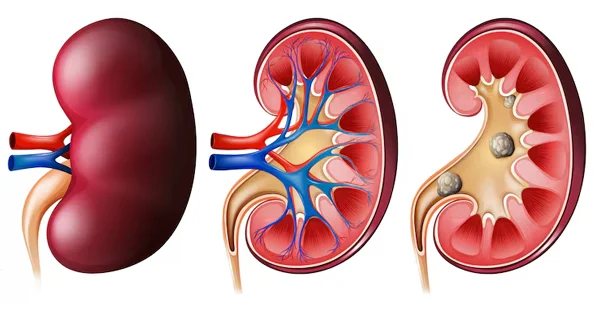
PCNL Surgery Starting from 55,000/-Rs.
PCNL (Percutaneous Nephrolithotomy) surgery is a minimally invasive procedure used to remove large or complex kidney stones that cannot be treated effectively with medicines, shockwave therapy, or smaller endoscopic methods. It is considered one of the most advanced and successful techniques for managing large kidney stones.
At Beatx Healthcare, PCNL surgery is performed using modern imaging guidance and advanced endoscopic equipment to ensure maximum stone clearance, minimal pain, and faster recovery.
What is PCNL Surgery?
PCNL (Percutaneous Nephrolithotomy) is a surgical procedure in which kidney stones are removed through a small incision in the back. A thin tube (nephroscope) is inserted directly into the kidney to break and remove stones.
Unlike open surgery, PCNL:
- Requires only a small incision
- Causes less pain and blood loss
- Offers faster recovery
- Has a high success rate for large stones
It is especially useful for stones larger than 2 cm or complex staghorn stones.
When is PCNL Surgery Recommended?
PCNL is recommended when:
- Kidney stones are larger than 2 cm
- Stones are too hard or dense for lithotripsy
- Multiple stones are present in the kidney
- Staghorn stones occupy a large portion of the kidney
- Previous treatments (ESWL or ureteroscopy) have failed
- Stones cause severe pain, infection, or blockage
A detailed CT scan or X-ray is done before surgery to confirm the size and position of stones.
PCNL Surgery Procedure
PCNL is performed under general anaesthesia, ensuring the patient is fully unconscious and pain-free during the procedure.
Step-by-Step Procedure:
1. Pre-Operative Preparation
- Blood tests and imaging scans are done
- Urine infection is treated if present
- Patient is advised fasting before surgery
2. Positioning of the Patient
The patient is placed on the operating table, usually in a prone (lying on stomach) position or supine position depending on the case.
3. Creating a Small Access Tract
A small incision (about 1 cm) is made in the back to reach the kidney. A needle is inserted into the kidney under X-ray or ultrasound guidance.
4. Dilation of the Tract
The small channel is gradually widened using dilators to allow insertion of instruments.
5. Insertion of Nephroscope
A nephroscope (a thin telescope-like instrument) is inserted into the kidney to locate the stones.
6. Stone Fragmentation and Removal
Stones are broken using laser, ultrasound, or pneumatic energy and then removed through suction or forceps.
7. Placement of Nephrostomy Tube (if needed)
A temporary tube may be placed to drain urine and help healing.
8. Closure
The incision is closed and dressed. The procedure usually takes 1 to 3 hours, depending on stone size and complexity.
Benefits of PCNL Surgery
PCNL offers several advantages over traditional open surgery:
1. High Success Rate
Effective for removing large and complex kidney stones.
2. Minimally Invasive
Only a small incision is required, reducing trauma.
3. Faster Recovery
Patients recover more quickly compared to open surgery.
4. Less Pain
Reduced post-operative discomfort.
5. Short Hospital Stay
Most patients are discharged within 2–4 days.
6. Complete Stone Clearance
High likelihood of removing all stone fragments in one session.
7. Improved Kidney Function
Relieves obstruction and prevents further kidney damage.
Recovery After PCNL Surgery
Recovery is generally smooth and faster than open surgery.
First 24–48 Hours:
- Mild pain at incision site
- Urine may contain blood initially (normal)
- IV fluids and antibiotics are given
- Patient is encouraged to rest
2–5 Days:
- Nephrostomy tube (if present) may be removed
- Patient starts walking slowly
- Pain reduces significantly
- Discharge from hospital possible
1–2 Weeks:
- Return to light daily activities
- Follow-up visit and imaging may be done
- Drinking plenty of water is advised
3–6 Weeks:
- Full recovery in most patients
- Return to normal routine and work
- Dietary modifications may be recommended
Risks and Complications of PCNL Surgery
Although PCNL is safe and effective, like any surgical procedure it may have risks:
- Bleeding from kidney (mild to moderate)
- Infection or fever
- Injury to surrounding organs (rare)
- Incomplete stone removal
- Urine leakage temporarily
- Pain at incision site
- Need for second procedure in rare cases
Proper surgical technique and post-operative care significantly reduce these risks.
Who Needs PCNL Surgery?
You may require PCNL if you have:
- Large kidney stones causing pain or obstruction
- Recurrent urinary tract infections due to stones
- Blood in urine due to kidney stones
- Failed previous stone removal treatments
- Staghorn or complex kidney stones
A urologist will decide the best treatment based on imaging and medical condition.
Diet and Prevention After PCNL Surgery
To prevent recurrence of kidney stones:
- Drink 2.5–3 litres of water daily
- Reduce salt intake
- Avoid excessive animal protein
- Limit oxalate-rich foods (spinach, nuts, tea) if advised
- Maintain healthy body weight
- Follow regular medical check-ups
Why Choose Beatx Healthcare?
At Beatx Healthcare, we provide advanced kidney stone treatment with:
- Experienced urology specialists
- Modern endoscopic and laser technology
- Minimally invasive surgical techniques
- High stone-free success rates
- Safe and hygienic operation theatres
- Personalized post-operative care
Our focus is on quick recovery, minimal discomfort, and complete stone removal.
Frequently Asked Questions (FAQ)
1. Is PCNL surgery painful?
The procedure is done under anaesthesia, so there is no pain during surgery. Mild pain after surgery is manageable with medication.
2. How long does PCNL surgery take?
It usually takes 1 to 3 hours, depending on stone size and complexity.
3. When can I return to work?
Most patients return to normal work within 1–2 weeks.
4. Is PCNL safe?
Yes, it is a safe and highly effective procedure when performed by experienced surgeons.
5. Will kidney stones come back after PCNL?
There is a possibility, but proper diet, hydration, and follow-up reduce the risk significantly.
6. How long is hospital stay after PCNL?
Usually 2 to 4 days, depending on recovery.
Conclusion
PCNL surgery is one of the most effective modern treatments for large and complex kidney stones. It offers high success rates, minimal invasiveness, and faster recovery compared to traditional surgical methods.
At Beatx Healthcare, we are committed to providing advanced urological care that ensures safe treatment, complete stone removal, and long-term kidney health for every patient.