

URSL Surgery
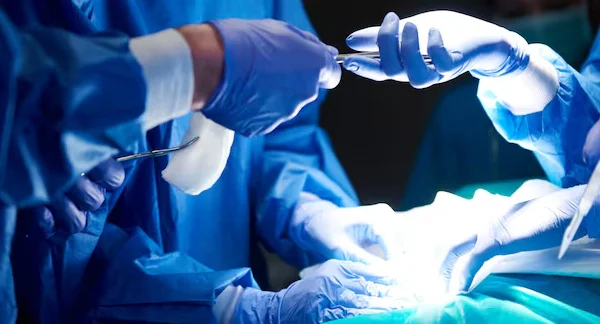
URSL Surgery Starting from 50,000/-Rs.
URSL (Ureteroscopic Lithotripsy) surgery is a minimally invasive procedure used to treat stones in the ureter, the tube that carries urine from the kidney to the bladder. It is one of the most commonly performed and highly effective treatments for ureteric stones, especially when they are causing pain, blockage, or infection.
At Beatx Healthcare, URSL surgery is performed using advanced ureteroscopes and laser technology to ensure safe stone removal, minimal discomfort, and faster recovery.
What is URSL Surgery?
URSL (Ureteroscopic Lithotripsy) is a procedure in which a thin, flexible or rigid instrument called a ureteroscope is inserted through the urethra and bladder into the ureter. The stone is visualized directly and broken into small pieces using laser or other energy sources.
The small fragments are then either:
- Removed using a basket device, or
- Allowed to pass naturally through urine
This procedure avoids any external cuts on the body.
Purpose of URSL Surgery
URSL is performed to:
- Remove stones stuck in the ureter
- Relieve severe pain caused by obstruction
- Treat urinary blockage caused by stones
- Prevent kidney damage due to back pressure
- Manage infections caused by ureteric stones
- Treat stones not passing naturally despite medication
It is especially useful for stones located in the lower and middle ureter.
When is URSL Recommended?
URSL surgery is recommended when:
- Ureteric stones are larger than 5–7 mm
- Severe pain (renal colic) persists
- Stones are causing urinary obstruction
- Infection is present due to blockage
- Medical treatment fails to pass stones naturally
- Hydronephrosis (swelling of kidney) is seen
A CT scan or ultrasound is used to confirm the location and size of the stone.
URSL Surgery Procedure
URSL is performed under spinal or general anaesthesia, ensuring the patient is comfortable and pain-free.
Step-by-Step Procedure:
1. Preparation
- Patient is evaluated with blood tests and imaging
- Fasting is advised before surgery
- Antibiotics may be given to prevent infection
2. Insertion of Ureteroscope
A thin tube (ureteroscope) is inserted through the urethra into the bladder and then advanced into the ureter.
3. Stone Identification
The stone is visualized directly using a high-definition camera attached to the ureteroscope.
4. Stone Fragmentation
A laser (commonly Holmium laser) is used to break the stone into small pieces.
5. Stone Removal
Fragments are removed using a basket device or allowed to pass naturally through urine.
6. DJ Stent Placement (if required)
A small tube called a Double J (DJ) stent may be placed in the ureter to:
- Maintain urine flow
- Reduce swelling
- Help healing
The stent is usually removed after 1–3 weeks.
7. Completion
The instruments are removed, and the patient is shifted to recovery.
The procedure usually takes 30 minutes to 1.5 hours, depending on stone size and location.
Benefits of URSL Surgery
URSL offers many advantages over open surgery:
1. No External Cuts
Completely endoscopic procedure with no visible scars.
2. Quick Relief from Pain
Immediate relief from obstruction and severe pain.
3. High Success Rate
Very effective for ureteric stone removal.
4. Fast Recovery
Patients return to normal activities quickly.
5. Minimal Hospital Stay
Most patients are discharged within 24 hours.
6. Safe and Precise
Direct visualization allows accurate stone treatment.
7. Can Treat Multiple Stones
Multiple stones can be treated in a single session.
Side Effects and Risks of URSL Surgery
Although URSL is a safe procedure, some temporary side effects may occur:
- Mild burning sensation while urinating
- Blood in urine for a few days
- Pain due to DJ stent placement
- Frequent urge to urinate
- Mild lower abdominal discomfort
- Temporary urinary tract infection
Rare Complications:
- Ureter injury or perforation
- Stricture (narrowing of ureter)
- Incomplete stone removal
- Infection or fever
- Need for repeat procedure
Most side effects are temporary and manageable with medication.
Recovery After URSL Surgery
Recovery is usually quick and smooth.
First 24–48 Hours:
- Mild burning during urination
- Blood-tinged urine is normal
- Pain relief medications are given
- Patient encouraged to drink fluids
First Week:
- Return to light daily activities
- Increased water intake is recommended
- Antibiotics may be prescribed
1–3 Weeks:
- DJ stent (if placed) may be removed
- Symptoms like mild discomfort reduce
- Follow-up check-up is done
Full Recovery:
- Usually within 1–2 weeks
- Normal work and lifestyle can be resumed quickly
Who Needs URSL Surgery?
URSL is recommended for patients who have:
- Ureteric stones causing severe pain
- Stones not passing naturally
- Urinary blockage or hydronephrosis
- Infection due to stone obstruction
- Persistent vomiting or discomfort due to stones
Prevention of Future Kidney Stones
After URSL, preventive steps include:
- Drink 2.5–3 litres of water daily
- Reduce salt intake
- Avoid excessive oxalate-rich foods
- Maintain healthy body weight
- Follow a balanced diet
- Regular medical follow-ups
Why Choose Beatx Healthcare?
At Beatx Healthcare, we provide advanced urology care with:
- Experienced urologists
- Latest laser lithotripsy technology
- Minimally invasive endoscopic procedures
- Safe and hygienic operation theatres
- Fast recovery-focused treatment
- Personalized post-operative care
Our aim is to ensure safe stone removal, minimal discomfort, and long-term kidney health.
Frequently Asked Questions (FAQ)
1. Is URSL surgery painful?
No, it is performed under anaesthesia. Mild discomfort after surgery is normal and manageable.
2. How long does URSL take?
It usually takes 30 minutes to 1.5 hours, depending on the stone.
3. Is hospitalization required?
Most patients are discharged within 24 hours.
4. Will I need a stent after URSL?
In many cases, a DJ stent is placed temporarily to ensure smooth urine flow.
5. When can I return to work?
Most patients return to work within 2–5 days.
6. Can kidney stones come back after URSL?
Yes, recurrence is possible, but proper diet and hydration reduce the risk significantly.
Conclusion
URSL surgery is a safe, effective, and minimally invasive procedure for treating ureteric stones. It provides quick relief from pain, ensures fast recovery, and avoids the need for open surgery.
At Beatx Healthcare, we are committed to delivering advanced urological care with excellent outcomes, helping patients achieve pain-free, healthy kidney function and improved quality of life.