

Varicocelectomy
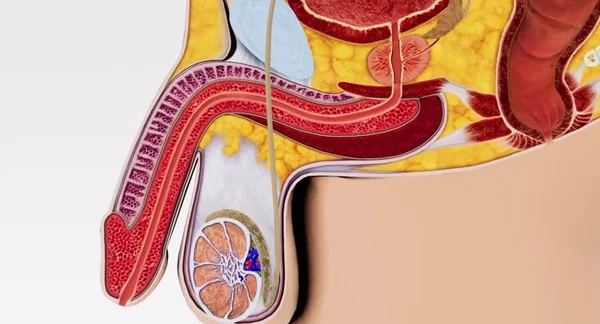
Varicocelectomy Surgery Starting from 23,000/-Rs.
Varicocelectomy is a surgical procedure used to treat varicocele, a condition in which the veins inside the scrotum become enlarged and swollen, similar to varicose veins in the legs. This condition can affect sperm production, testicular health, and sometimes cause discomfort or pain in the groin area.
At Beatx Healthcare, varicocelectomy is performed using modern surgical techniques to improve fertility outcomes, reduce pain, and restore normal testicular function with minimal complications.
What is Varicocele?
Varicocele is an abnormal enlargement of the pampiniform plexus veins in the scrotum. It is more commonly seen on the left side due to anatomical differences in blood flow.
Varicocele may cause:
- Dull aching pain in the scrotum
- Heaviness in the testicular area
- Reduced sperm quality
- Testicular shrinkage (in severe cases)
- Infertility issues in some men
Not all varicoceles require surgery, but symptomatic or fertility-impacting cases often do.
What is Varicocelectomy?
Varicocelectomy is a surgical procedure that involves tying off or sealing the enlarged veins to redirect blood flow into healthy veins. This helps reduce pressure in the scrotum and improves testicular function.
The procedure can be done using:
- Open surgery
- Microsurgical technique (most advanced and precise)
- Laparoscopic surgery
- Percutaneous embolization (non-surgical alternative in some cases)
When is Varicocelectomy Needed?
Varicocelectomy is recommended when:
- There is persistent scrotal pain or discomfort
- Varicocele affects sperm count or quality
- Infertility is diagnosed and linked to varicocele
- Testicular shrinkage is observed
- Symptoms worsen over time
- Conservative management fails
A urologist confirms diagnosis using physical examination and scrotal ultrasound.
Varicocelectomy Procedure
The procedure is usually performed under general or spinal anaesthesia, ensuring patient comfort.
Step-by-Step Procedure:
1. Pre-Surgical Evaluation
- Physical examination of scrotum
- Ultrasound Doppler test
- Semen analysis (if fertility issues exist)
- Routine blood tests
2. Anaesthesia
Spinal or general anaesthesia is given to make the procedure painless.
3. Surgical Approach
A small incision is made in the lower abdomen or groin area (depending on technique used).
4. Identification of Veins
The surgeon carefully identifies the enlarged veins while preserving arteries, lymphatics, and vas deferens.
5. Ligation of Veins
The affected veins are tied off or sealed to stop abnormal blood flow.
6. Closure
The incision is closed using sutures and a sterile dressing is applied.
The surgery usually takes 30 minutes to 1.5 hours depending on technique.
Benefits of Varicocelectomy
Varicocelectomy provides several important benefits:
1. Improved Fertility
Enhances sperm count, motility, and quality.
2. Pain Relief
Reduces dull aching or heaviness in the scrotum.
3. Prevents Testicular Damage
Stops further shrinkage or damage to testicular tissue.
4. Better Hormonal Function
May improve testosterone levels in some patients.
5. High Success Rate
Especially with microsurgical techniques.
6. Minimally Invasive Options
Modern approaches ensure faster healing and less discomfort.
Recovery After Varicocelectomy
Recovery is usually smooth and quick.
First 24–48 Hours:
- Mild pain or swelling in scrotal area
- Pain medications are prescribed
- Rest and scrotal support recommended
First Week:
- Light walking is allowed
- Avoid heavy lifting or physical strain
- Swelling gradually reduces
2–3 Weeks:
- Return to office work or daily routine
- Sutures may be removed if needed
- Discomfort significantly decreases
4–6 Weeks:
- Resume normal physical activity
- Sexual activity may be resumed after doctor’s advice
- Improvement in symptoms becomes noticeable
Fertility Improvement Timeline:
- Sperm improvement may take 3–6 months
- Regular semen analysis is advised
Risks and Side Effects
Varicocelectomy is generally safe, but possible risks include:
- Mild pain or swelling
- Infection at incision site
- Fluid accumulation (hydrocele)
- Recurrence of varicocele (rare)
- Temporary scrotal discomfort
- Injury to surrounding structures (very rare)
Microsurgical techniques significantly reduce these risks.
Who Should Consider Varicocelectomy?
You may need surgery if you have:
- Diagnosed varicocele with symptoms
- Infertility with abnormal semen analysis
- Persistent scrotal pain
- Testicular size difference
- Worsening condition over time
Why Choose Beatx Healthcare?
At Beatx Healthcare, we provide advanced urological care with:
- Experienced urologists and surgeons
- Microsurgical and minimally invasive techniques
- High precision and safety standards
- Advanced diagnostic facilities
- Personalized fertility-focused treatment plans
- Comprehensive post-operative care
Our goal is to ensure improved fertility, pain relief, and long-term reproductive health.
Frequently Asked Questions (FAQ)
1. Is varicocelectomy a major surgery?
No, it is a minimally invasive procedure with small incisions and quick recovery.
2. How long does varicocelectomy take?
It usually takes 30 minutes to 1.5 hours.
3. Does varicocelectomy improve fertility?
Yes, it can significantly improve sperm quality and fertility in many patients.
4. Is the surgery painful?
No, it is performed under anaesthesia. Mild discomfort after surgery is normal.
5. When can I resume normal activities?
Most patients resume routine work within 1–2 weeks.
6. Can varicocele come back after surgery?
Recurrence is rare, especially with microsurgical techniques.
Conclusion
Varicocelectomy is a safe and effective surgical procedure for treating varicocele, improving fertility, and relieving discomfort. With modern microsurgical techniques, patients experience faster recovery, minimal pain, and excellent long-term outcomes.
At Beatx Healthcare, we are committed to delivering advanced and patient-focused urological care that helps restore reproductive health and overall well-being.