

Transurethral Resection of the Prostate
Transurethral Resection of the Prostate Surgery Starting from 80,000/-Rs.
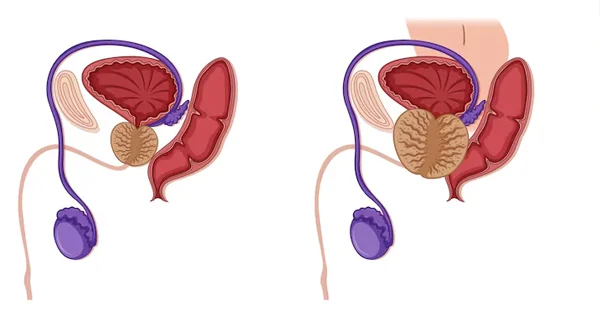
Transurethral Resection of the Prostate (TURP) is a minimally invasive surgical procedure used to treat urinary problems caused by an enlarged prostate gland, a condition commonly known as Benign Prostatic Hyperplasia (BPH). It is one of the most effective and widely performed surgeries for improving urine flow in men who do not respond to medication.
At Beatx Healthcare, TURP surgery is performed using advanced endoscopic equipment to ensure precise tissue removal, minimal discomfort, and faster recovery.
What is TURP Surgery?
TURP is a procedure in which the enlarged portion of the prostate gland is removed using a special instrument called a resectoscope, inserted through the urethra (the urine passage).
Unlike open surgery, TURP does not require any external incision. The surgeon removes excess prostate tissue that is blocking urine flow, thereby relieving symptoms and improving bladder function.
Why is TURP Surgery Needed?
TURP is recommended when prostate enlargement causes significant urinary problems such as:
- Difficulty starting urination
- Weak urine stream
- Frequent urination, especially at night
- Incomplete bladder emptying
- Urinary retention (inability to pass urine)
- Blood in urine due to prostate enlargement
- Recurrent urinary tract infections
When medications fail to provide relief, TURP becomes an effective long-term solution.
TURP Surgery Procedure
TURP is performed under spinal or general anaesthesia, ensuring the patient feels no pain during the procedure.
Step-by-Step Procedure:
1. Pre-Operative Evaluation
- Blood tests and urine analysis
- Ultrasound of prostate and bladder
- Assessment of urinary symptoms
- Anaesthesia fitness check
2. Anaesthesia
Spinal anaesthesia (most commonly used) numbs the lower body while the patient remains conscious.
3. Insertion of Resectoscope
A thin instrument called a resectoscope is inserted through the urethra into the prostate area. No external cuts are made.
4. Removal of Prostate Tissue
Excess prostate tissue blocking urine flow is carefully cut and removed using an electrical loop.
5. Irrigation and Cleaning
Fluids are used to flush out removed tissue and ensure clear visibility during surgery.
6. Catheter Placement
A urinary catheter is inserted to drain urine and help healing.
The procedure usually takes 45 minutes to 1.5 hours, depending on prostate size.
Benefits of TURP Surgery
TURP provides long-lasting relief from urinary symptoms and offers several benefits:
1. Improved Urine Flow
Restores normal and strong urine stream.
2. No External Cuts
Minimally invasive procedure with no visible scars.
3. Quick Symptom Relief
Patients notice improvement within days.
4. High Success Rate
One of the most effective treatments for BPH.
5. Better Bladder Function
Reduces incomplete bladder emptying and discomfort.
6. Long-Term Results
Provides long-lasting relief in most patients.
Recovery After TURP Surgery
Recovery is generally smooth but requires short hospital observation.
First 24–48 Hours:
- Urinary catheter remains in place
- Mild burning or discomfort may occur
- Urine may appear slightly bloody (normal)
- IV fluids and antibiotics are given
2–5 Days:
- Catheter is usually removed
- Patient starts passing urine normally
- Mild irritation while urinating may persist
1–2 Weeks:
- Return to light daily activities
- Increased water intake is recommended
- Avoid heavy lifting or strenuous work
3–6 Weeks:
- Full recovery in most patients
- Normal urinary function stabilizes
- Sexual activity may resume after doctor’s advice
Risks and Side Effects of TURP Surgery
TURP is generally safe but may have some temporary side effects:
- Burning sensation during urination
- Blood in urine for a few days
- Frequent urination initially
- Temporary urinary incontinence (rare)
- Retrograde ejaculation (semen flows backward into bladder)
- Urinary tract infection
- Urethral narrowing (rare)
Most side effects improve with time and proper care.
Who Needs TURP Surgery?
TURP is recommended for men who have:
- Moderate to severe BPH symptoms
- Poor response to medications
- Recurrent urinary retention
- Bladder stones due to obstruction
- Kidney problems due to enlarged prostate
- Persistent urinary infections
A urologist confirms the need after proper evaluation.
Lifestyle and Care After TURP
After surgery, patients are advised to:
- Drink plenty of water
- Avoid alcohol and caffeine initially
- Avoid heavy lifting for 4–6 weeks
- Maintain good hygiene
- Follow regular follow-ups
- Take prescribed medications on time
Why Choose Beatx Healthcare?
At Beatx Healthcare, we provide advanced urological care with:
- Experienced urologists and surgeons
- Modern endoscopic TURP techniques
- Safe and sterile operation theatres
- Minimally invasive procedures
- Fast recovery-focused care
- Personalized follow-up support
Our aim is to ensure safe treatment, improved urine flow, and better quality of life.
Frequently Asked Questions (FAQ)
1. Is TURP surgery painful?
No, it is performed under anaesthesia. Mild discomfort after surgery is normal and temporary.
2. How long does TURP surgery take?
It usually takes 45 minutes to 1.5 hours.
3. How long will I stay in hospital?
Most patients stay for 2–3 days.
4. Will I have normal urination after TURP?
Yes, urine flow improves significantly after recovery.
5. Does TURP affect sexual function?
Erectile function is usually preserved, but retrograde ejaculation may occur.
6. Is TURP a permanent solution?
Yes, it provides long-term relief in most patients with BPH.
Conclusion
TURP surgery is a highly effective and safe procedure for treating urinary problems caused by an enlarged prostate. It offers excellent long-term results, improved urine flow, and better quality of life without the need for external incisions.
At Beatx Healthcare, we are committed to providing advanced, patient-friendly urological care that ensures faster recovery and lasting relief from prostate-related problems.