

Lipoma Removal Treatment
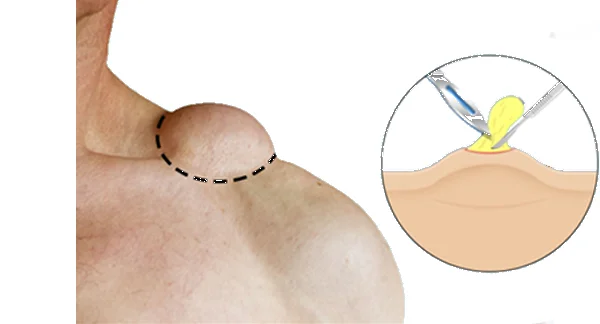
Lipoma Removal Treatment Starting from 25,000/-Rs.
Lipoma removal treatment is a minor surgical procedure used to remove lipomas, which are soft, fatty lumps that grow under the skin. Lipomas are generally non-cancerous (benign), painless, and slow-growing, but they may require removal if they become large, painful, or cosmetically concerning.
At Beatx Healthcare, lipoma removal is performed using safe and minimally invasive surgical techniques to ensure complete removal, minimal scarring, and quick recovery.
What is a Lipoma?
A lipoma is a soft, fatty lump made of fat cells that forms under the skin. It is usually:
- Soft and movable
- Painless
- Slow growing
- Located on neck, back, shoulders, arms, or thighs
Although harmless in most cases, lipomas may need treatment if:
- They grow in size
- Cause pain or discomfort
- Affect movement
- Become cosmetically visible
- Get infected or irritated
Lipoma Removal Surgery (With Visual Understanding)
click here src="https://images.openai.com/static-rsc-4/6Z5fVYX1q0pd0B91smXfPoUSVJEkp9dLmk86W1QEy0SGWmL4xIRKja2EYE81uDKwKOg3lhXFy6kdWBE_LlTv-Ijn4SiPmdi0cJe1zu0rT4b7MXJyc9ov3PmJ5E8ivg1ETo153MPRPDBHJqFP8Cxs1qQ4LR1XgD_FvFaUQd7oBR4CAobga0yEsJ0ZCMU_R9zP?purpose=inline" />
click here src="https://images.openai.com/static-rsc-4/6Z5fVYX1q0pd0B91smXfPoUSVJEkp9dLmk86W1QEy0SGWmL4xIRKja2EYE81uDKwKOg3lhXFy6kdWBE_LlTv-Ijn4SiPmdi0cJe1zu0rT4b7MXJyc9ov3PmJ5E8ivg1ETo153MPRPDBHJqFP8Cxs1qQ4LR1XgD_FvFaUQd7oBR4CAobga0yEsJ0ZCMU_R9zP?purpose=inline" />
click here src="https://images.openai.com/static-rsc-4/o1ZzZAur5ObBq5cc7PIGnEwr_7y7_GwC3WMKKqzdD3mTkb3fEe_ifsnwE6o5CLnAtQFF0Zr1NqEySCD5K8kYYS_TKlLclwZ7WYc0StWP8m_JekCHJbBDBQbDiuGhfM9QaWTR8L_C9bhRwvbbDf9roBx8uj9jthVRpByautN_2Lo?purpose=inline" />
Lipoma removal surgery involves cutting and completely removing the fatty lump along with its capsule to prevent recurrence. It is usually done under local anesthesia and is a day-care procedure.
Types of Lipoma Treatment
1. Surgical Excision (Most Common)
- Entire lipoma is removed through a small incision
- Best for large or deep lipomas
- Lowest chance of recurrence
2. Minimal Excision Technique
- Smaller cut compared to traditional surgery
- Faster healing and minimal scarring
3. Liposuction Technique
- Fat is suctioned out using a cannula
- Best for soft and large lipomas
- Slight chance of recurrence if capsule remains
Lipoma Removal Procedure (Step-by-Step)
Step 1: Diagnosis
- Physical examination of the lump
- Ultrasound may be done if required
Step 2: Local Anesthesia
- Area is numbed for painless procedure
Step 3: Incision
- Small cut is made over the lipoma
Step 4: Removal
- Lipoma is carefully separated from surrounding tissues
- Entire fatty lump and capsule are removed
Step 5: Stitching
- Wound is closed using sutures
- Dressing is applied
Step 6: Discharge
- Patient usually goes home the same day
Benefits of Lipoma Removal Surgery
- Permanent removal of lump
- Improved cosmetic appearance
- Quick and simple procedure
- Minimal downtime
- Prevents further growth
- Can be done under local anesthesia
- Very high success rate
Recovery After Lipoma Surgery
Recovery is usually quick and smooth.
First 24–48 Hours:
- Mild pain or swelling may occur
- Pain medication is prescribed
- Keep dressing clean and dry
First Week:
- Avoid heavy physical activity
- Stitches remain covered
- Normal walking and light work allowed
10–14 Days:
- Stitches may be removed (if non-dissolvable)
- Swelling reduces significantly
2–4 Weeks:
- Complete healing of surgical site
- Scar starts fading
Side Effects of Lipoma Removal
Lipoma surgery is safe, but mild side effects may include:
- Temporary swelling
- Bruising around the surgical site
- Mild pain or discomfort
- Small scar formation
- Temporary numbness near incision
These effects usually resolve within a few days to weeks.
Risks of Lipoma Surgery
Although rare, potential risks include:
- Infection at surgical site
- Bleeding or hematoma
- Scar formation
- Recurrence if removal is incomplete
- Delayed wound healing
Proper surgical technique significantly reduces these risks.
When Should You Remove a Lipoma?
Lipoma removal is recommended when:
- The lump is growing in size
- It becomes painful or tender
- It restricts movement
- It is cosmetically visible or embarrassing
- There is uncertainty in diagnosis
Lipoma vs Other Skin Lumps
| Condition | Nature | Pain | Treatment |
|---|---|---|---|
| Lipoma | Fatty benign tumor | Usually no | Surgical removal |
| Cyst | Fluid-filled sac | Sometimes | Drainage/removal |
| Abscess | Infection | Yes | Antibiotics/drainage |
Post-Surgery Care Instructions
- Keep wound clean and dry
- Avoid strenuous activity for 1–2 weeks
- Take prescribed antibiotics if given
- Do not scratch or press the area
- Attend follow-up visits
- Remove stitches as advised
Results After Lipoma Removal
- Permanent removal of lump
- Smooth skin appearance
- Minimal scarring (fades over time)
- Improved comfort and confidence
Recurrence is rare if the entire lipoma capsule is removed properly.
Why Choose Beatx Healthcare?
At Beatx Healthcare, lipoma removal is performed with:
- Experienced general and cosmetic surgeons
- Safe local anesthesia techniques
- Minimal incision procedures
- Focus on scar reduction
- Day-care surgical setup
- Hygienic and advanced operation facilities
- Personalized patient care and follow-up
FAQs
1. Is lipoma removal painful?
No, the procedure is done under local anesthesia, so there is no pain during surgery.
2. How long does lipoma surgery take?
It usually takes 20–60 minutes depending on the size and number of lipomas.
3. Will lipoma come back after surgery?
If completely removed with its capsule, recurrence is very rare.
4. Is hospitalization required?
No, it is usually a day-care procedure and you can go home the same day.
5. Will there be a scar?
Yes, but the scar is small and fades over time with proper care.
6. How soon can I return to work?
Most patients resume normal activities within 1–3 days.