

Adenoidectomy Adenoid Removal
Adenoid Removal Surgery Starting from 40,000/-Rs.
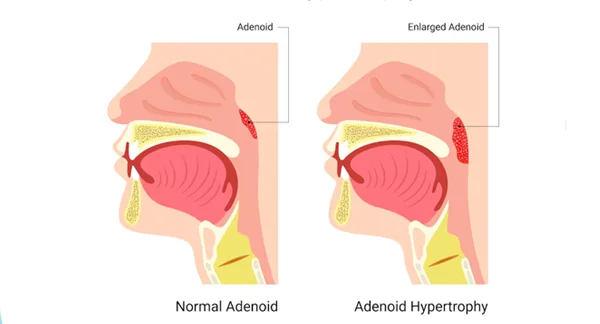
Adenoidectomy is a surgical procedure in which the adenoids are removed from the back of the nasal passage. Adenoids are small lymphatic tissues located behind the nose that help fight infections in early childhood. However, when they become enlarged or infected, they can cause breathing problems, recurrent infections, and sleep disturbances.
At Beatx Healthcare, adenoidectomy is performed using safe and modern ENT surgical techniques to ensure minimal discomfort, quick recovery, and effective long-term results.
What is Adenoidectomy (Adenoid Removal)?
Adenoidectomy is the removal of enlarged or infected adenoids through surgery. Adenoids are part of the immune system but usually shrink naturally as a child grows older. In some cases, they become enlarged and cause obstruction in the nasal airway.
The procedure is most commonly performed in children but may also be done in adults with chronic issues.
Why is Adenoidectomy Done?
Doctors recommend adenoid removal when adenoids cause:
- Nasal blockage or difficulty breathing through the nose
- Chronic mouth breathing
- Snoring or sleep apnea
- Recurrent ear infections
- Hearing problems due to fluid buildup in ears
- Chronic sinus infections
- Persistent runny nose or nasal discharge
- Speech issues due to nasal blockage
Adenoidectomy Procedure (Step-by-Step)
The surgery is usually performed under general anesthesia and takes about 30–45 minutes.
Step 1: Pre-Surgical Evaluation
- ENT examination
- Endoscopy or X-ray if required
- Medical history review
Step 2: General Anesthesia
- Patient (usually child) is put under general anesthesia
- Procedure is completely painless
Step 3: Removal of Adenoids
Common surgical techniques include:
- Curettage (traditional scraping method)
- Electrocautery (burning and removal using heat)
- Coblation (advanced plasma technology with minimal bleeding)
The surgeon removes the enlarged adenoid tissue from behind the nasal cavity.
Step 4: Bleeding Control
- Bleeding is controlled using cautery or packing
- Area is cleaned thoroughly
Step 5: Recovery Monitoring
- Patient is observed in recovery room
- Same-day or next-day discharge is common
Benefits of Adenoidectomy
Adenoid removal provides significant health improvements:
- Improved nasal breathing
- Reduced snoring and better sleep quality
- Fewer ear infections
- Better hearing in children
- Reduced sinus infections
- Improved facial growth in children (prevents “adenoid face”)
- Better overall immunity balance
Recovery After Adenoidectomy
Recovery is generally quick, especially in children.
First 24–48 Hours:
- Mild throat or nasal discomfort
- Mild fever may occur
- Soft diet recommended
First Week:
- Nasal congestion may temporarily persist
- Mild pain controlled with medication
- Rest is important
7–10 Days:
- Normal breathing improves
- Most symptoms reduce significantly
Full Recovery:
- Usually achieved within 1–2 weeks
Side Effects of Adenoidectomy
Adenoid removal is generally safe, but minor side effects may include:
- Mild throat pain
- Nasal congestion
- Temporary bad breath
- Mild fever
- Ear discomfort (referred pain)
These effects usually resolve within a few days.
Risks of Adenoidectomy
Although rare, possible risks include:
- Bleeding after surgery
- Infection
- Reaction to anesthesia
- Nasal voice changes (temporary)
- Regrowth of adenoid tissue in rare cases
Modern surgical techniques significantly reduce these risks.
Who Needs Adenoid Removal?
Adenoidectomy is recommended for:
- Children with chronic nasal blockage
- Frequent ear infections or hearing issues
- Sleep apnea or severe snoring
- Recurrent sinus infections
- Mouth breathing affecting facial development
- Antibiotic-resistant adenoid infections
Types of Adenoidectomy Techniques
1. Traditional Curettage
- Adenoids removed using surgical instruments
- Effective but may have more bleeding
2. Electrocautery Adenoidectomy
- Uses heat to remove tissue
- Reduces bleeding
3. Coblation Adenoidectomy
- Uses low-temperature plasma energy
- Less pain and faster recovery
- Most advanced and preferred method
Post-Surgery Care Instructions
- Ensure proper rest for 2–3 days
- Maintain soft and cool diet initially
- Avoid spicy or hard foods
- Keep hydrated
- Use prescribed nasal drops or medications
- Avoid strenuous activities for 1 week
- Follow ENT follow-up schedule
Results After Adenoidectomy
- Improved breathing through nose
- Better sleep and reduced snoring
- Fewer infections in throat and ears
- Improved concentration and growth in children
- Better quality of life
Why Choose Beatx Healthcare?
At Beatx Healthcare, adenoidectomy is performed with:
- Experienced ENT surgeons
- Advanced coblation and minimally invasive techniques
- Safe pediatric anesthesia care
- Minimal bleeding procedures
- Child-friendly environment
- Fast recovery and follow-up support
FAQs
1. Is adenoidectomy painful?
No, the surgery is done under anesthesia. Mild discomfort after surgery is manageable with medication.
2. How long does adenoid surgery take?
It usually takes 30–45 minutes.
3. Is hospital stay required?
Most patients are discharged the same day or within 24 hours.
4. Can adenoids grow back after surgery?
Regrowth is rare but possible in a small number of cases.
5. When can a child return to school?
Usually within 5–7 days after surgery, depending on recovery.
6. Is adenoidectomy safe for children?
Yes, it is a very safe and commonly performed ENT procedure in children.