

Cochlear Implantation Device for Deafness
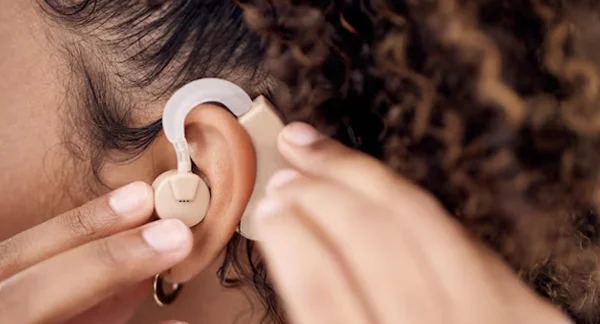
Cochlear Implantation Surgery Starting from 4,00,000/-Rs.
Cochlear implantation is an advanced surgical procedure that helps individuals with severe to profound hearing loss regain access to sound. Unlike hearing aids, which amplify sounds, a cochlear implant bypasses damaged parts of the inner ear and directly stimulates the auditory nerve, allowing sound signals to reach the brain.
At Beatx Healthcare, cochlear implant surgery is performed by experienced ENT surgeons and audiologists using advanced technology to improve hearing, speech development, and overall quality of life for both children and adults.
What is a Cochlear Implant?
A cochlear implant is an electronic medical device designed for people with severe hearing impairment who receive limited benefit from conventional hearing aids.
The implant consists of two main parts:
External Component
- Microphone that captures sound
- Speech processor that converts sound into digital signals
- Transmitter worn behind the ear
Internal Component
- Receiver implanted under the skin
- Electrode array inserted into the cochlea (inner ear)
Together, these components help transmit sound information directly to the auditory nerve.
Who Needs Cochlear Implantation?
Cochlear implants are recommended for individuals who have:
- Severe to profound sensorineural hearing loss
- Limited improvement with hearing aids
- Congenital deafness in children
- Hearing loss due to infections, injury, or genetic conditions
- Difficulty understanding speech despite using hearing aids
Both children and adults can benefit from cochlear implantation after proper evaluation.
How Does a Cochlear Implant Work?
Unlike normal hearing, where sound travels through the ear and stimulates hair cells inside the cochlea, a cochlear implant bypasses damaged hair cells.
The process involves:
- Sound is picked up by the microphone.
- The speech processor converts sound into digital signals.
- Signals are transmitted to the implanted receiver.
- Electrodes stimulate the auditory nerve.
- The brain interprets these signals as sound.
This allows individuals with severe hearing loss to perceive sounds and speech.
Cochlear Implantation Procedure
The surgery is usually performed under general anesthesia and takes approximately 2–3 hours.
Step 1: Pre-Surgical Assessment
Before surgery, patients undergo:
- Hearing tests (audiometry)
- Speech and language evaluation
- Imaging studies such as CT scan or MRI
- Medical fitness assessment
Step 2: General Anesthesia
The patient is placed under general anesthesia to ensure comfort throughout the procedure.
Step 3: Incision Behind the Ear
A small incision is made behind the ear to access the mastoid bone and cochlea.
Step 4: Implant Placement
- The receiver-stimulator is placed under the skin.
- The electrode array is carefully inserted into the cochlea.
Step 5: Closure
The incision is closed with sutures and a protective dressing is applied.
Step 6: Recovery and Activation
The implant is not activated immediately. The external processor is typically fitted and activated about 2–4 weeks after surgery once healing is complete.
Benefits of Cochlear Implantation
Cochlear implants provide numerous advantages:
- Improved ability to hear sounds
- Better speech understanding
- Enhanced communication skills
- Improved language development in children
- Better academic performance
- Increased social interaction
- Greater independence and confidence
- Improved quality of life
For many patients, cochlear implants can be life-changing.
Recovery After Cochlear Implant Surgery
Recovery is generally smooth and uncomplicated.
First 24–48 Hours
- Mild pain around the incision site
- Temporary dizziness
- Mild swelling behind the ear
First Week
- Most patients resume light activities
- Surgical wound begins healing
- Follow-up appointment scheduled
2–4 Weeks
- Surgical site heals completely
- Device activation is performed
- Initial hearing rehabilitation begins
Long-Term Rehabilitation
Hearing improvement continues over months with:
- Audiology sessions
- Speech therapy
- Listening exercises
- Regular implant programming (mapping)
Risks and Complications
Cochlear implantation is considered safe, but potential risks include:
- Infection
- Bleeding
- Dizziness or balance issues
- Tinnitus (ringing in ears)
- Facial nerve weakness (rare)
- Device malfunction
- Taste disturbances
- Meningitis (very rare)
Careful surgical planning helps minimize these risks.
Life After Cochlear Implantation
Following activation and rehabilitation, many patients experience significant improvements in hearing and communication.
Patients can typically:
- Participate in conversations more easily
- Attend school or work with improved communication
- Enjoy music and environmental sounds
- Develop better speech and language skills
Regular follow-up with audiologists is important to optimize device performance.
Cochlear Implant vs Hearing Aid
| Feature | Cochlear Implant | Hearing Aid |
|---|---|---|
| Function | Stimulates auditory nerve directly | Amplifies sound |
| Suitable For | Severe to profound hearing loss | Mild to moderate hearing loss |
| Requires Surgery | Yes | No |
| Speech Understanding | Often significantly improved | May be limited in severe deafness |
| Long-Term Benefit | High for eligible patients | Depends on hearing loss severity |
Who is a Good Candidate?
Ideal candidates include:
- Children with congenital severe hearing loss
- Adults with profound sensorineural deafness
- Individuals not benefiting from hearing aids
- Patients with intact auditory nerve function
- People committed to post-operative rehabilitation
A detailed assessment is necessary before surgery.
Why Choose Beatx Healthcare?
At Beatx Healthcare, cochlear implantation is supported by:
- Experienced ENT and cochlear implant surgeons
- Advanced diagnostic and surgical facilities
- Comprehensive audiology services
- Pediatric and adult hearing rehabilitation programs
- Personalized treatment planning
- Long-term follow-up and support
Our goal is to help patients achieve the best possible hearing outcomes and improved quality of life.
FAQs
1. What is a cochlear implant?
A cochlear implant is an electronic hearing device that directly stimulates the auditory nerve, helping people with severe hearing loss hear sounds and speech.
2. Is cochlear implant surgery safe?
Yes, it is a well-established and generally safe procedure when performed by experienced surgeons.
3. How long does cochlear implant surgery take?
The surgery usually takes about 2–3 hours under general anesthesia.
4. When is the cochlear implant activated?
The device is typically activated 2–4 weeks after surgery once healing is complete.
5. Will hearing return immediately after activation?
Hearing improves gradually over time with device programming, training, and rehabilitation.
6. Can children undergo cochlear implantation?
Yes. Early implantation in children often leads to better speech and language development outcomes.
7. How long does a cochlear implant last?
The internal implant is designed to last for many years, while external components may require upgrades or replacement over time.
8. Is speech therapy necessary after cochlear implantation?
Yes. Speech and auditory rehabilitation are important parts of achieving the best hearing and communication results.