

Nasal Polyp Surgery
Nasal Polyp Surgery Starting from 25,000/-Rs.
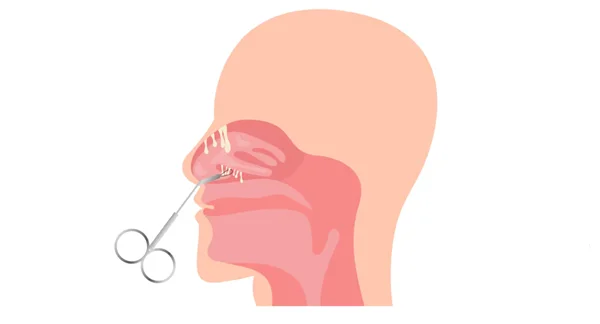
Nasal polyp surgery is a specialized ENT procedure performed to remove soft, non-cancerous growths (polyps) that develop inside the nasal passages or sinuses. These growths can block airflow, reduce the sense of smell, cause chronic sinus infections, and lead to breathing difficulties. When medications fail to control symptoms, surgical removal becomes the most effective treatment option.
At Beatx Healthcare, nasal polyp surgery is performed using advanced endoscopic techniques that offer precise removal, minimal discomfort, and faster recovery.
What Are Nasal Polyps?
Nasal polyps are soft, painless, teardrop-shaped growths that develop from the lining of the nose or sinuses due to chronic inflammation. They are usually associated with:
- Chronic sinusitis
- Allergies
- Asthma
- Recurrent nasal infections
- Aspirin sensitivity
- Immune system disorders
Small polyps may not cause symptoms, but larger polyps can obstruct the nasal passages and affect daily life.
Symptoms of Nasal Polyps
Common symptoms include:
- Persistent nasal blockage
- Difficulty breathing through the nose
- Reduced or loss of smell
- Frequent sinus infections
- Runny nose
- Postnasal drip
- Facial pressure or pain
- Snoring and sleep disturbances
- Headaches
If symptoms persist despite medications, surgery may be recommended.
When is Nasal Polyp Surgery Needed?
Doctors may advise surgery when:
- Medications fail to shrink the polyps
- Nasal blockage becomes severe
- Recurrent sinus infections occur
- Sense of smell is significantly affected
- Breathing difficulties interfere with daily activities
- Polyps recur repeatedly despite treatment
Nasal Polyp Removal Procedure
The most common procedure is Functional Endoscopic Sinus Surgery (FESS).
Step 1: Pre-Surgical Evaluation
Before surgery, the ENT specialist may perform:
- Nasal endoscopy
- CT scan of the sinuses
- Allergy evaluation
- Routine blood tests
Step 2: Anesthesia
- Usually performed under general anesthesia
- Patient remains completely comfortable during surgery
Step 3: Endoscopic Examination
A thin endoscope with a camera is inserted through the nostrils to visualize the nasal passages and sinuses.
Step 4: Polyp Removal
- Specialized instruments remove the polyps
- Blocked sinus openings are widened
- Diseased tissue is cleared while preserving healthy structures
Step 5: Completion
- No external incisions are required
- Nasal packing may be placed if necessary
- Most patients are discharged the same day or after a short observation period
Benefits of Nasal Polyp Surgery
Nasal polyp surgery offers several advantages:
- Improved nasal breathing
- Better airflow through the nose
- Restoration of smell and taste in many patients
- Reduction in sinus infections
- Better sleep quality
- Reduced snoring
- Improved overall quality of life
- Long-lasting symptom relief
Recovery After Nasal Polyp Surgery
Recovery is generally smooth and faster with modern endoscopic techniques.
First 24–48 Hours
- Mild nasal congestion
- Slight bleeding or blood-stained discharge
- Mild facial discomfort
- Rest is recommended
First Week
- Nasal congestion gradually improves
- Saline nasal rinses may be prescribed
- Avoid strenuous activities
2–3 Weeks
- Swelling decreases significantly
- Breathing improves noticeably
- Follow-up cleaning may be performed by the ENT specialist
4–6 Weeks
- Complete healing of nasal tissues
- Significant improvement in symptoms
- Return to full normal activities
Risks and Complications
Nasal polyp surgery is generally very safe, but potential risks include:
Common Side Effects
- Mild pain or discomfort
- Temporary nasal blockage
- Minor bleeding
- Crusting inside the nose
Rare Complications
- Infection
- Excessive bleeding
- Recurrence of polyps
- Changes in smell sensation
- Adhesion formation inside the nose
- Injury to nearby structures (very rare)
Choosing an experienced ENT surgeon significantly reduces these risks.
Post-Surgery Care Instructions
For optimal recovery:
- Use saline nasal sprays as prescribed
- Avoid blowing your nose forcefully
- Avoid heavy lifting and strenuous exercise
- Keep follow-up appointments
- Take medications as directed
- Avoid smoking and dusty environments
- Stay hydrated
Can Nasal Polyps Come Back?
Yes, nasal polyps can recur, especially in patients with chronic allergies, asthma, or sinus inflammation. Regular follow-up and medical management help reduce the risk of recurrence.
Success Rate of Nasal Polyp Surgery
Endoscopic nasal polyp surgery has a high success rate, with most patients experiencing significant improvement in breathing, sinus symptoms, and quality of life. Long-term success depends on controlling the underlying causes of inflammation.
Why Choose Beatx Healthcare?
At Beatx Healthcare, nasal polyp treatment is provided by experienced ENT specialists using advanced technology and evidence-based treatment protocols.
Our advantages include:
- Expert ENT surgeons
- Advanced endoscopic sinus surgery (FESS)
- Precise, minimally invasive techniques
- Modern diagnostic facilities
- Personalized treatment plans
- Comprehensive post-operative care
- Focus on long-term symptom control
FAQs
1. Is nasal polyp surgery painful?
No. The surgery is performed under anesthesia, and post-operative discomfort is usually mild and manageable with medication.
2. How long does nasal polyp surgery take?
The procedure typically takes between 30 minutes and 2 hours, depending on the number and size of the polyps.
3. How long is the recovery period?
Most patients recover within 1–2 weeks, while complete healing may take 4–6 weeks.
4. Will there be any visible scars?
No. Endoscopic surgery is performed entirely through the nostrils, so there are no external cuts or visible scars.
5. Can nasal polyps return after surgery?
Yes, recurrence is possible, especially in patients with allergies, asthma, or chronic sinus inflammation. Regular follow-up helps reduce this risk.
6. When can I return to work?
Most patients can return to office-based work within 3–7 days, depending on recovery and the nature of their job.
7. Will my sense of smell improve after surgery?
Many patients experience significant improvement in smell and taste once the blockage caused by polyps is removed.
8. Is hospitalization required?
In most cases, nasal polyp surgery is a day-care procedure, and patients can go home on the same day.