

Squint Surgery Strabismus
Squint Surgery Strabismus Surgery Startig from 35,000/-Rs.
Squint surgery, also known as strabismus surgery, is a specialized eye procedure performed to correct the misalignment of the eyes. In people with a squint, the eyes do not point in the same direction at the same time. One eye may look straight while the other turns inward, outward, upward, or downward. This condition can affect vision, depth perception, appearance, and self-confidence.
At Beatx Healthcare, squint surgery is performed by experienced ophthalmologists using advanced surgical techniques to improve eye alignment, enhance binocular vision, and achieve better cosmetic outcomes.
What is Squint (Strabismus)?
Strabismus is a condition in which the eyes are not properly aligned. The muscles responsible for eye movement do not work together correctly, causing one or both eyes to deviate from their normal position.
Squint can occur in:
- Infants and children
- Teenagers
- Adults
The condition may be present from birth or develop later in life due to injury, neurological disorders, or vision problems.
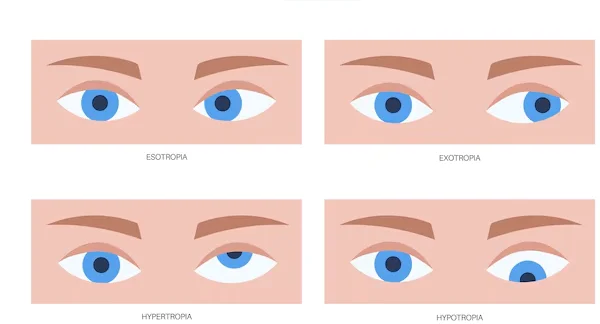
Types of Squint (Strabismus)
Esotropia
The eye turns inward toward the nose.
Exotropia
The eye turns outward away from the nose.
Hypertropia
One eye turns upward.
Hypotropia
One eye turns downward.
Intermittent Squint
The misalignment occurs only at certain times.
Constant Squint
The eye remains misaligned continuously.
Causes of Squint
Several factors can contribute to strabismus:
- Congenital eye muscle imbalance
- Family history of squint
- Refractive errors
- Childhood eye disorders
- Premature birth
- Neurological conditions
- Head injury
- Stroke
- Diabetes-related nerve damage
Symptoms of Squint
Common symptoms include:
- Misaligned eyes
- Double vision
- Eye strain
- Headaches
- Difficulty focusing
- Poor depth perception
- Frequent blinking or squinting
- Tilting the head to see clearly
Children may also develop lazy eye (amblyopia) if the condition is not treated early.
When is Squint Surgery Needed?
Surgery may be recommended when:
- Glasses do not fully correct eye alignment
- Eye exercises are ineffective
- Significant cosmetic concerns exist
- Double vision affects daily life
- Eye muscle imbalance is severe
- There is risk of permanent vision problems
Squint Surgery Procedure
Squint surgery is generally performed as a day-care procedure under general anesthesia in children and local or general anesthesia in adults.
Step 1: Comprehensive Eye Examination
The ophthalmologist evaluates:
- Degree of eye misalignment
- Eye muscle function
- Visual acuity
- Binocular vision
Step 2: Anesthesia
Anesthesia is administered to ensure a comfortable and pain-free procedure.
Step 3: Eye Muscle Adjustment
The surgeon accesses the eye muscles through the conjunctiva (the thin membrane covering the eye).
Depending on the correction needed:
- Tight muscles may be weakened
- Weak muscles may be strengthened
- Eye muscles may be repositioned
Step 4: Muscle Reattachment
The adjusted muscles are secured using specialized sutures.
Step 5: Completion
No visible skin incisions are made, and the patient is usually discharged the same day.
Benefits of Squint Surgery
Squint surgery provides both functional and cosmetic benefits.
Vision Benefits
- Improved eye alignment
- Better binocular vision
- Improved depth perception
- Reduced double vision
- Better eye coordination
Cosmetic Benefits
- More symmetrical eye appearance
- Improved facial aesthetics
- Increased confidence and self-esteem
Psychological Benefits
- Better social interaction
- Improved quality of life
- Enhanced emotional well-being
Recovery After Squint Surgery
Recovery is usually straightforward.
First 24–48 Hours
- Mild discomfort
- Eye redness
- Watering of the eyes
- Foreign body sensation
First Week
- Redness gradually decreases
- Most daily activities can be resumed
- Prescribed eye drops should be used regularly
2–4 Weeks
- Eye alignment stabilizes
- Healing continues
- Follow-up assessments are performed
6–8 Weeks
- Final surgical results become more apparent
- Most redness resolves completely
Side Effects of Squint Surgery
Temporary side effects may include:
- Eye redness
- Mild pain
- Swelling
- Watering
- Light sensitivity
- Temporary blurred vision
These effects typically improve during the recovery period.
Risks and Complications
Although squint surgery is generally safe, potential complications include:
- Infection
- Bleeding
- Over-correction of eye position
- Under-correction of eye position
- Double vision
- Scarring
- Need for additional surgery in some cases
Careful surgical planning helps minimize these risks.
Cost of Squint Surgery
The cost of squint surgery depends on several factors, including:
- Severity of strabismus
- Number of eye muscles requiring correction
- Type of anesthesia used
- Hospital facilities
- Surgeon's expertise
- Post-operative care requirements
A detailed consultation and eye evaluation are necessary to determine the exact treatment plan and associated costs.
Precautions After Squint Surgery
For optimal recovery:
- Avoid rubbing the eyes
- Use prescribed medications regularly
- Maintain proper eye hygiene
- Avoid swimming for a few weeks
- Avoid dusty environments
- Attend all follow-up appointments
- Follow the surgeon's activity restrictions
Success Rate of Squint Surgery
Squint surgery has a high success rate, especially when performed by experienced ophthalmologists. Many patients achieve significant improvement in eye alignment and appearance after a single procedure, while some may require additional treatment for optimal results.
Who is a Good Candidate?
Squint surgery may be suitable for:
- Children with persistent eye misalignment
- Adults with cosmetic concerns
- Patients experiencing double vision
- Individuals with poor binocular vision
- Patients whose squint is not corrected by glasses alone
Why Choose Beatx Healthcare?
At Beatx Healthcare, squint surgery is performed using modern ophthalmic techniques and personalized treatment planning.
Our advantages include:
- Experienced eye surgeons
- Advanced diagnostic technology
- Comprehensive pediatric and adult eye care
- Customized treatment plans
- Safe surgical facilities
- Dedicated post-operative support
- Focus on long-term visual outcomes
FAQs
1. Is squint surgery painful?
No. The procedure is performed under anesthesia, and post-operative discomfort is usually mild.
2. How long does squint surgery take?
The surgery generally takes between 30 minutes and 2 hours, depending on the complexity of the case.
3. Can adults undergo squint surgery?
Yes. Squint surgery can be successfully performed in both children and adults.
4. How long is the recovery period?
Most patients recover within 2–4 weeks, although complete healing may take longer.
5. Will there be visible scars?
No. The surgery is performed on the eye muscles through the conjunctiva, so there are no visible skin scars.
6. Can squint return after surgery?
In some cases, eye misalignment may recur over time, and additional treatment may be required.
7. Is squint surgery covered by insurance?
Coverage depends on the insurance provider and whether the surgery is considered medically necessary.
8. Can squint surgery improve vision?
The surgery primarily improves eye alignment. Vision improvement depends on the underlying condition and whether amblyopia or other vision issues are present.