

Ventriculoperitoneal VP
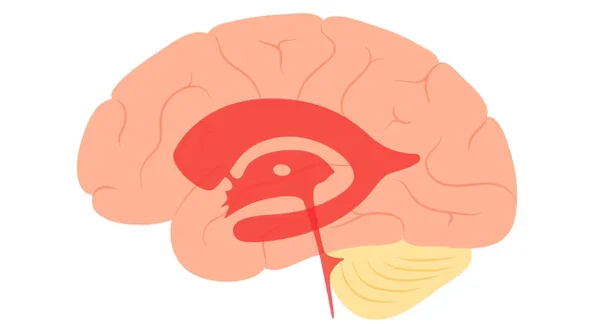
Ventriculoperitoneal VP Surgery Starting from 45,000/-Rs.
A Ventriculoperitoneal (VP) Shunt is a surgical procedure used to treat hydrocephalus, a condition in which excess cerebrospinal fluid (CSF) accumulates in the brain. This buildup increases pressure inside the skull and can damage brain tissues if left untreated. A VP shunt helps drain the excess fluid from the brain to the abdominal cavity, where it is safely absorbed by the body.
At Beatx Healthcare, VP shunt surgery is performed by experienced neurosurgeons using advanced techniques to relieve pressure on the brain, improve neurological function, and enhance quality of life.
What is a VP Shunt?
A Ventriculoperitoneal (VP) Shunt is a medical device consisting of:
- A thin flexible catheter placed in the brain's ventricles
- A valve that regulates fluid flow
- A drainage tube that carries fluid to the abdominal cavity (peritoneum)
The shunt continuously diverts excess cerebrospinal fluid from the brain, helping maintain normal intracranial pressure.
What is Hydrocephalus?
Hydrocephalus is a condition characterized by excessive accumulation of cerebrospinal fluid (CSF) within the brain's ventricles.
CSF normally:
- Cushions the brain and spinal cord
- Delivers nutrients
- Removes waste products
When fluid production exceeds drainage, pressure builds up inside the skull, leading to hydrocephalus.
Causes of Hydrocephalus
Hydrocephalus may occur due to:
Congenital Causes
- Birth defects
- Spina bifida
- Developmental abnormalities
Acquired Causes
- Brain tumors
- Head injuries
- Brain hemorrhage
- Meningitis
- Stroke
- Brain infections
Normal Pressure Hydrocephalus (NPH)
Often seen in older adults and associated with:
- Walking difficulties
- Memory problems
- Urinary incontinence
Symptoms of Hydrocephalus
Symptoms vary by age and severity.
In Infants
- Enlarged head size
- Bulging soft spot (fontanelle)
- Irritability
- Vomiting
- Feeding difficulties
In Children and Adults
- Headache
- Nausea and vomiting
- Blurred vision
- Balance problems
- Difficulty walking
- Memory issues
- Drowsiness
- Seizures
When is VP Shunt Surgery Needed?
VP shunt placement may be recommended when:
- Hydrocephalus causes increased brain pressure
- Neurological symptoms worsen
- Brain imaging confirms fluid accumulation
- Conservative treatments are ineffective
- Long-term fluid drainage is required
VP Shunt Procedure (Step-by-Step)
The surgery is performed under general anesthesia and usually takes 1–2 hours.
Step 1: Preoperative Evaluation
The neurosurgeon may perform:
- CT scan
- MRI scan
- Neurological examination
- Blood tests
Step 2: Anesthesia
General anesthesia is administered to ensure patient comfort throughout the procedure.
Step 3: Brain Catheter Placement
A small opening is created in the skull, and a catheter is inserted into one of the brain's ventricles.
Step 4: Valve Placement
A valve is placed beneath the scalp to regulate fluid drainage.
Step 5: Abdominal Catheter Placement
A second catheter is tunneled under the skin from the head to the abdomen.
Step 6: Connection and Testing
The system is connected and tested to ensure proper cerebrospinal fluid drainage.
Step 7: Closure
The incisions are closed with sutures, and dressings are applied.
Benefits of VP Shunt Surgery
VP shunt placement provides significant benefits:
- Reduces pressure inside the brain
- Relieves headaches
- Improves balance and walking
- Enhances cognitive function
- Reduces risk of brain damage
- Improves vision-related symptoms
- Improves quality of life
- Effective long-term treatment for hydrocephalus
Recovery After VP Shunt Surgery
Recovery varies depending on the patient's condition and age.
First 24–48 Hours
- Hospital monitoring
- Pain management
- Neurological assessment
First Week
- Gradual increase in activity
- Wound healing begins
- Imaging may be performed to confirm shunt function
2–6 Weeks
- Most patients return to normal daily activities
- Symptoms of hydrocephalus often improve significantly
Long-Term Follow-Up
Regular monitoring is essential to ensure proper shunt function.
Risks and Complications
While VP shunt surgery is generally safe, potential complications include:
Shunt Infection
Signs may include:
- Fever
- Redness near incision sites
- Headache
- Neck stiffness
Shunt Blockage
The shunt may become obstructed, causing recurrence of hydrocephalus symptoms.
Over-Drainage
Excessive fluid drainage may lead to:
- Headaches
- Dizziness
- Subdural hematoma
Under-Drainage
Insufficient drainage can result in persistent hydrocephalus symptoms.
Other Risks
- Bleeding
- Seizures
- Catheter displacement
- Abdominal complications
Prompt medical attention is necessary if symptoms develop.
Life After VP Shunt Placement
Many patients lead normal and active lives after successful shunt surgery.
Patients should:
- Attend regular follow-up appointments
- Monitor for symptoms of shunt malfunction
- Inform healthcare providers about the shunt before medical procedures
- Seek immediate care if neurological symptoms return
Signs of VP Shunt Malfunction
Contact a doctor immediately if any of the following occur:
- Severe headache
- Persistent vomiting
- Drowsiness
- Confusion
- Vision changes
- Balance problems
- Fever
- Seizures
These may indicate shunt blockage or infection.
Who is a Good Candidate?
VP shunt surgery may be suitable for:
- Infants with congenital hydrocephalus
- Children with cerebrospinal fluid obstruction
- Adults with hydrocephalus
- Patients with normal pressure hydrocephalus
- Individuals with hydrocephalus caused by tumors, bleeding, or infections
A neurosurgical evaluation is necessary to determine suitability.
Success Rate of VP Shunt Surgery
VP shunt surgery is a well-established and effective treatment for hydrocephalus. Most patients experience significant improvement in symptoms, especially when diagnosed and treated early.
Long-term outcomes depend on:
- Underlying cause of hydrocephalus
- Patient age
- Overall neurological health
- Proper shunt functioning
Why Choose Beatx Healthcare?
At Beatx Healthcare, hydrocephalus treatment is managed by experienced neurosurgeons using advanced diagnostic and surgical technologies.
Our advantages include:
- Expert neurosurgical team
- Advanced brain imaging facilities
- Modern operating theaters
- Personalized treatment planning
- Comprehensive neurological care
- Post-operative rehabilitation support
- Long-term follow-up and monitoring
FAQs
1. What is a VP shunt?
A VP shunt is a device that drains excess cerebrospinal fluid from the brain to the abdominal cavity to treat hydrocephalus.
2. Is VP shunt surgery safe?
Yes. It is a commonly performed neurosurgical procedure with a high success rate when performed by experienced surgeons.
3. How long does VP shunt surgery take?
The procedure typically takes about 1–2 hours.
4. Will the shunt remain permanently?
In many cases, the VP shunt remains in place long-term, although revisions may be needed if problems occur.
5. How long is recovery after surgery?
Most patients recover within a few weeks, although individual recovery varies.
6. Can a VP shunt fail?
Yes. Shunt blockage, infection, or malfunction can occur and may require medical attention or revision surgery.
7. Can children live normal lives with a VP shunt?
Yes. Many children with properly functioning VP shunts lead active and healthy lives.
8. What symptoms suggest a shunt problem?
Headache, vomiting, fever, confusion, vision changes, and balance difficulties may indicate shunt malfunction and require immediate evaluation.
Beatx Healthcare provides comprehensive diagnosis, surgical treatment, and long-term management for hydrocephalus and other neurological conditions, helping pati