

Cornea Transplant
Cornea Transplant Surgery Starting from 90,000/- Rs.
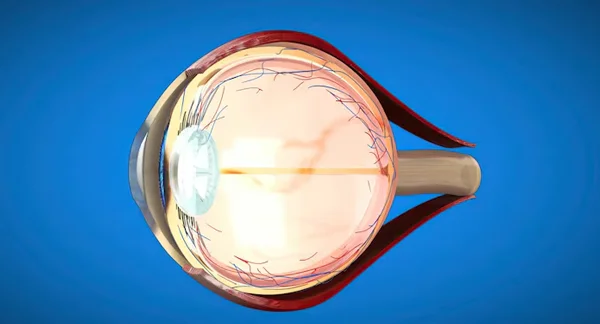
A cornea transplant, also known as keratoplasty, is a surgical procedure in which a damaged or diseased cornea is replaced with healthy donor corneal tissue. The cornea is the clear, dome-shaped front surface of the eye that helps focus light and plays a crucial role in vision. When the cornea becomes scarred, swollen, thin, or cloudy, vision can be significantly affected. A cornea transplant can restore vision, relieve pain, and improve the appearance of the eye.
At Beatx Healthcare, corneal transplant procedures are performed by experienced eye surgeons using advanced microsurgical techniques and modern diagnostic technology to achieve optimal visual outcomes and long-term eye health.
What is a Cornea Transplant?
A cornea transplant is a procedure that replaces all or part of a damaged cornea with healthy tissue obtained from a donor. The donor cornea is carefully screened and tested to ensure safety and suitability.
Depending on the underlying condition, either the entire cornea or specific layers of the cornea may be replaced.
What is the Cornea?
The cornea is the transparent outer layer at the front of the eye. It serves several important functions:
- Focuses incoming light
- Protects the eye from dust and germs
- Contributes significantly to clear vision
- Works with the eye's lens to create a sharp image
Any damage or disease affecting the cornea can cause vision impairment.
When is a Cornea Transplant Needed?
A cornea transplant may be recommended when the cornea becomes severely damaged and cannot be treated with medications, glasses, or contact lenses.
Common conditions requiring corneal transplantation include:
Keratoconus
A condition in which the cornea becomes thin and cone-shaped.
Corneal Scarring
Scarring caused by infections, injuries, or previous surgeries.
Fuchs' Endothelial Dystrophy
A progressive disease affecting the inner corneal layer.
Corneal Ulcers
Severe infections that damage corneal tissue.
Corneal Swelling (Edema)
Persistent swelling that affects vision.
Corneal Injury
Trauma causing permanent corneal damage.
Failed Previous Corneal Transplant
Repeat transplantation may be necessary in some cases.
Types of Cornea Transplant Surgery
1. Penetrating Keratoplasty (PK)
This is a full-thickness corneal transplant.
In this procedure:
- The entire damaged cornea is removed
- A donor cornea is stitched into place
Suitable for:
- Severe corneal scarring
- Advanced keratoconus
- Full-thickness corneal damage
2. Deep Anterior Lamellar Keratoplasty (DALK)
Only the outer and middle layers of the cornea are replaced.
Benefits:
- Lower rejection risk
- Stronger eye structure
- Faster healing in selected patients
Commonly used for keratoconus.
3. Endothelial Keratoplasty (DSEK/DMEK)
Only the innermost corneal layer is replaced.
Benefits:
- Smaller incision
- Faster recovery
- Improved visual outcomes
Often used for Fuchs' dystrophy and endothelial disorders.
Cornea Transplant Procedure
The surgery is usually performed under local anesthesia with sedation or general anesthesia.
Step 1: Preoperative Assessment
The surgeon performs:
- Detailed eye examination
- Corneal imaging
- Vision testing
- Medical evaluation
Step 2: Anesthesia
The eye is numbed, and the patient is made comfortable.
Step 3: Removal of Diseased Cornea
The damaged portion of the cornea is carefully removed.
Step 4: Donor Cornea Placement
Healthy donor tissue is positioned and secured using microscopic sutures or specialized techniques.
Step 5: Completion
The eye is protected with a shield, and post-operative medications are prescribed.
Benefits of Cornea Transplant
Corneal transplantation can provide significant improvements in eye health and vision.
Vision Improvement
- Clearer vision
- Reduced visual distortion
- Improved light focusing
A cornea transplant, also known as keratoplasty, is a surgical procedure in which a damaged or diseased cornea is replaced with healthy donor corneal tissue. The cornea is the clear, dome-shaped front surface of the eye that helps focus light and plays a crucial role in vision. When the cornea becomes scarred, swollen, thin, or cloudy, vision can be significantly affected. A cornea transplant can restore vision, relieve pain, and improve the appearance of the eye.
At Beatx Healthcare, corneal transplant procedures are performed by experienced eye surgeons using advanced microsurgical techniques and modern diagnostic technology to achieve optimal visual outcomes and long-term eye health.
What is a Cornea Transplant?
A cornea transplant is a procedure that replaces all or part of a damaged cornea with healthy tissue obtained from a donor. The donor cornea is carefully screened and tested to ensure safety and suitability.
Depending on the underlying condition, either the entire cornea or specific layers of the cornea may be replaced.
What is the Cornea?
The cornea is the transparent outer layer at the front of the eye. It serves several important functions:
- Focuses incoming light
- Protects the eye from dust and germs
- Contributes significantly to clear vision
- Works with the eye's lens to create a sharp image
Any damage or disease affecting the cornea can cause vision impairment.
When is a Cornea Transplant Needed?
A cornea transplant may be recommended when the cornea becomes severely damaged and cannot be treated with medications, glasses, or contact lenses.
Common conditions requiring corneal transplantation include:
Keratoconus
A condition in which the cornea becomes thin and cone-shaped.
Corneal Scarring
Scarring caused by infections, injuries, or previous surgeries.
Fuchs' Endothelial Dystrophy
A progressive disease affecting the inner corneal layer.
Corneal Ulcers
Severe infections that damage corneal tissue.
Corneal Swelling (Edema)
Persistent swelling that affects vision.
Corneal Injury
Trauma causing permanent corneal damage.
Failed Previous Corneal Transplant
Repeat transplantation may be necessary in some cases.
Types of Cornea Transplant Surgery
1. Penetrating Keratoplasty (PK)
This is a full-thickness corneal transplant.
In this procedure:
- The entire damaged cornea is removed
- A donor cornea is stitched into place
Suitable for:
- Severe corneal scarring
- Advanced keratoconus
- Full-thickness corneal damage
2. Deep Anterior Lamellar Keratoplasty (DALK)
Only the outer and middle layers of the cornea are replaced.
Benefits:
- Lower rejection risk
- Stronger eye structure
- Faster healing in selected patients
Commonly used for keratoconus.
3. Endothelial Keratoplasty (DSEK/DMEK)
Only the innermost corneal layer is replaced.
Benefits:
- Smaller incision
- Faster recovery
- Improved visual outcomes
Often used for Fuchs' dystrophy and endothelial disorders.
Cornea Transplant Procedure
The surgery is usually performed under local anesthesia with sedation or general anesthesia.
Step 1: Preoperative Assessment
The surgeon performs:
- Detailed eye examination
- Corneal imaging
- Vision testing
- Medical evaluation
Step 2: Anesthesia
The eye is numbed, and the patient is made comfortable.
Step 3: Removal of Diseased Cornea
The damaged portion of the cornea is carefully removed.
Step 4: Donor Cornea Placement
Healthy donor tissue is positioned and secured using microscopic sutures or specialized techniques.
Step 5: Completion
The eye is protected with a shield, and post-operative medications are prescribed.
Benefits of Cornea Transplant
Corneal transplantation can provide significant improvements in eye health and vision.
Vision Improvement
- Clearer vision
- Reduced visual distortion
- Improved light focusing
Enhanced Quality of Life
A successful cornea transplant can greatly improve daily activities such as:
- Reading
- Driving
- Working on digital screens
- Recognizing faces
- Participating in social activities
Many patients experience a significant improvement in independence and overall quality of life after recovery.
Recovery After Cornea Transplant Surgery
Recovery from a cornea transplant varies depending on the type of transplant performed and the individual's healing response.
First 24–48 Hours
- Mild discomfort or foreign body sensation
- Eye redness
- Watering of the eye
- Blurred vision
First Few Weeks
- Regular use of prescribed eye drops
- Protective eye shield while sleeping
- Avoidance of strenuous activities
- Frequent follow-up visits
1–3 Months
- Gradual improvement in vision
- Reduction in redness and irritation
- Continued monitoring of corneal healing
6–12 Months
- Vision continues to improve
- Sutures may be removed gradually if required
- Final visual outcome becomes more stable
Recovery is often faster with partial-thickness procedures such as DALK, DSEK, and DMEK compared to full-thickness corneal transplantation.
Success Rate of Cornea Transplant
Cornea transplantation is one of the most successful organ transplant procedures performed worldwide.
Success rates depend on:
- Underlying eye condition
- Type of transplant performed
- Overall eye health
- Patient compliance with medications
- Early detection of complications
For many patients, the success rate exceeds 85–95%, particularly when performed for conditions such as keratoconus or endothelial disorders.
Risks and Complications of Cornea Transplant
Although corneal transplantation is generally safe, certain complications may occur.
Corneal Rejection
The body's immune system may recognize the donor cornea as foreign and attempt to reject it.
Warning signs include:
- Redness
- Pain
- Increased sensitivity to light
- Sudden decrease in vision
Early treatment can often reverse rejection episodes.
Infection
Post-operative infections are uncommon but can affect healing and vision.
Increased Eye Pressure
Some patients may develop elevated eye pressure or glaucoma after surgery.
Astigmatism
Irregular corneal healing can lead to vision distortion that may require glasses or contact lenses.
Graft Failure
In rare cases, the transplanted cornea may lose clarity and require repeat transplantation.
Precautions After Cornea Transplant
To promote successful healing:
- Use prescribed eye drops exactly as directed
- Avoid rubbing the eye
- Wear protective eyewear outdoors
- Avoid swimming until approved by your doctor
- Protect the eye from injury
- Attend all follow-up appointments
- Report any sudden vision changes immediately
Signs of Corneal Rejection
Patients should seek urgent medical attention if they experience:
- Eye redness
- Eye pain
- Light sensitivity
- Blurred vision
- Sudden decrease in vision
Prompt treatment can often save the transplanted cornea.
Cost of Cornea Transplant Surgery
The cost of cornea transplant surgery can vary depending on several factors:
- Type of corneal transplant procedure
- Complexity of the eye condition
- Hospital infrastructure
- Surgeon's expertise
- Donor tissue availability
- Diagnostic tests and follow-up care
A detailed consultation and evaluation are necessary to determine the exact treatment plan and associated costs.
Life After Cornea Transplant
Most patients return to normal daily activities after recovery and experience improved vision and comfort.
Long-term success depends on:
- Regular eye examinations
- Consistent medication use
- Protection of the eyes from injury
- Early management of complications
Many patients enjoy years of improved vision following a successful transplant.
Who is a Good Candidate for Cornea Transplant?
Cornea transplantation may be suitable for:
- Patients with keratoconus
- Individuals with corneal scarring
- Patients with Fuchs' dystrophy
- People with corneal ulcers causing permanent damage
- Patients with corneal swelling affecting vision
- Individuals with failed previous corneal grafts
A thorough examination by a cornea specialist is required to determine eligibility.
Why Choose Beatx Healthcare?
At Beatx Healthcare, corneal transplant procedures are performed using advanced surgical techniques and comprehensive eye care protocols.
Our advantages include:
- Experienced cornea specialists
- Advanced diagnostic imaging
- Modern microsurgical technology
- Access to quality donor corneal tissue
- Personalized treatment plans
- Comprehensive post-operative care
- Long-term follow-up support
We focus on restoring vision safely while maximizing the long-term success of the transplant.
FAQs
1. What is a cornea transplant?
A cornea transplant is a surgical procedure in which damaged corneal tissue is replaced with healthy donor corneal tissue to improve vision and eye health.
2. Is cornea transplant surgery painful?
No. The surgery is performed under anesthesia, and most patients experience only mild discomfort during recovery.
3. How long does cornea transplant surgery take?
The procedure usually takes between 1 and 2 hours, depending on the type of transplant.
4. How long is the recovery period?
Recovery varies by procedure type. Initial healing occurs within weeks, while full visual recovery may take several months to a year.
5. Can the body reject a corneal transplant?
Yes, rejection can occur, but early diagnosis and treatment often successfully control it.
6. Will I need glasses after a cornea transplant?
Some patients may still require glasses or contact lenses to achieve the best possible vision.
7. How successful is cornea transplant surgery?
Cornea transplantation has a high success rate, especially when performed for conditions such as keratoconus and endothelial disorders.
8. How long does a transplanted cornea last?
Many corneal grafts remain healthy and functional for decades with proper care and regular follow-up.
Beatx Healthcare offers advanced corneal transplant services, combining expert surgical care, modern technology, and comprehensive follow-up support to help patients achieve clearer vision, improved eye health, and a better quality of life.